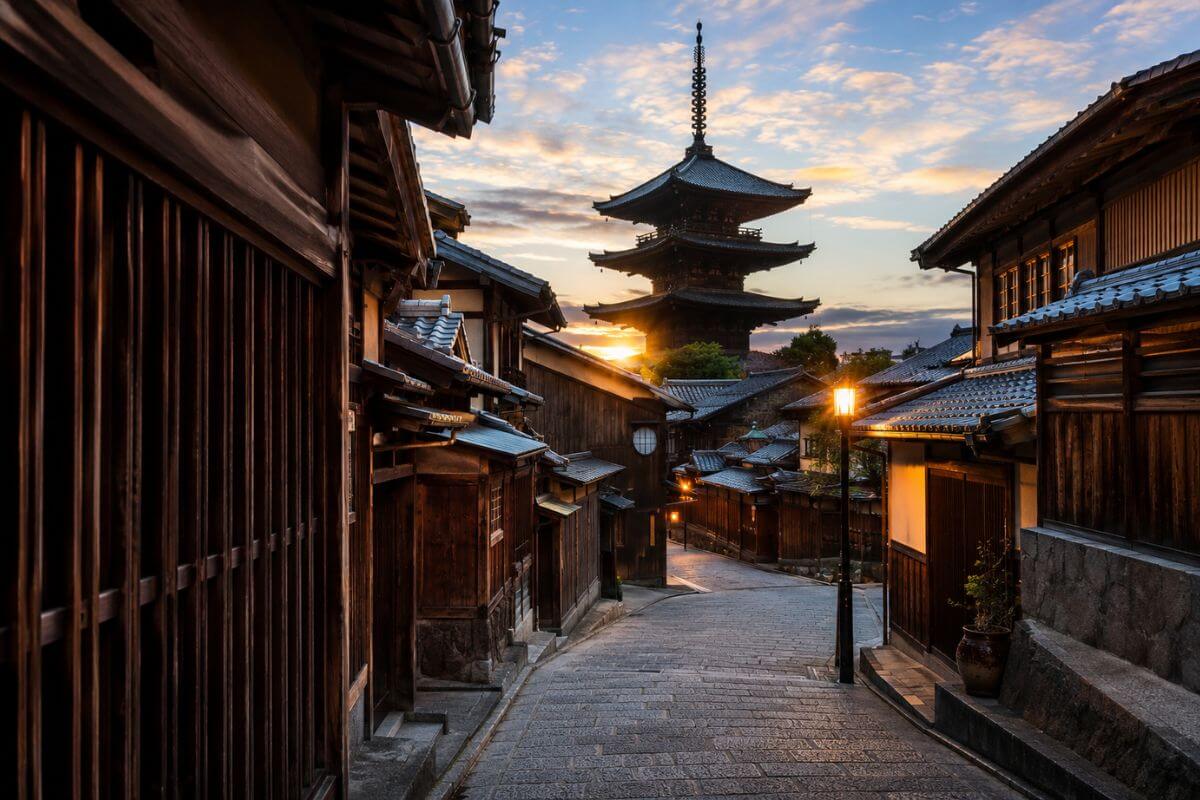
If you have ever rushed through Japan with a packed train schedule and a long sightseeing checklist, you probably know how exhausting fast travel can feel. Slow travel gives you the opposite experience. Instead of trying to see everything in a few days, you stay longer in one place, settle into the local rhythm, and enjoy everyday life.
A two-week stay lets you discover the quieter side of Japan. You can visit neighborhood cafes, shop at local markets, take peaceful walks, and build routines that make you feel less like a tourist and more like a temporary local. Slow travel is also often cheaper and less stressful because you spend less time moving between cities.
From peaceful mountain towns to coastal islands and countryside villages, Japan has many places that are perfect for a slower pace. Here are the best destinations where you can comfortably spend two relaxing weeks without running out of things to enjoy.
Quick Summary Table 🗾
| Destination | Best For | Ideal Season | Pace of Life | Highlights |
|---|---|---|---|---|
| Kyoto | Culture lovers | Spring & Fall | Calm | Temples, tea houses, gardens |
| Kanazawa | Traditional charm | Spring & Autumn | Relaxed | Samurai districts, seafood |
| Naoshima | Art and nature | Spring & Summer | Very quiet | Museums, island scenery |
| Kamakura | Beach and history | Spring & Early Summer | Easygoing | Temples, surfing, cafes |
| Takayama | Mountain living | Fall & Winter | Slow | Old town streets, hot springs |
| Okinawa | Island relaxation | Spring & Summer | Tropical and calm | Beaches, local food |
| Matsumoto | Small city comfort | Year round | Balanced | Castle, Alps views |
| Yakushima | Nature escape | Spring & Fall | Peaceful | Ancient forests, hiking |
| Kurashiki | Historic atmosphere | Spring & Autumn | Gentle | Canals, art museums |
| Beppu | Wellness and onsen | Winter & Spring | Restful | Hot springs, steam cooking |
How We Ranked These Destinations 🧭
We selected these places based on factors that make a destination ideal for a comfortable and meaningful two-week stay.
- Walkability and easy local transportation
- Relaxed atmosphere without overcrowding
- Affordable long stay accommodations
- Variety of activities beyond sightseeing
- Strong local food culture
- Access to nature and quiet spaces
- Opportunities to experience local life
- Seasonal beauty throughout the year
- Comfortable pace for remote workers and long-term travelers
- Balance between convenience and authenticity
1. Kyoto 🍃
Kyoto is one of the best places in Japan for slow travel because the city rewards patience. Instead of rushing through famous temples in a single weekend, you can spend two weeks exploring different neighborhoods at your own pace.
You might begin your mornings with peaceful walks along the Kamogawa River, then spend afternoons discovering hidden shrines, small tea shops, and quiet gardens away from the tourist crowds. Areas like Nishijin, Demachiyanagi, and Okazaki feel much calmer than the busiest sightseeing districts.
Kyoto also changes throughout the day. Early mornings are quiet and magical, while evenings feel cozy and reflective. Staying longer gives you time to enjoy the city beyond the major attractions.
A two-week stay also allows day trips to nearby places like Uji, Nara, or Ohara without needing to constantly switch hotels. You can slow down and truly appreciate traditional Japanese culture instead of trying to rush through it.
Local cafes, bookstores, and neighborhood restaurants make Kyoto feel especially welcoming for long-term visitors.
2. Kanazawa 🏯
Kanazawa offers many of Kyoto’s traditional qualities but with fewer crowds and a more relaxed atmosphere. The city is compact, easy to walk around, and filled with preserved historical areas.
During a two-week stay, you can slowly explore samurai neighborhoods, old geisha streets, seafood markets, and peaceful gardens. Kenrokuen Garden changes beautifully with the seasons, and visiting multiple times during your stay lets you notice details you would miss on a short trip.
Kanazawa is also famous for fresh seafood and local crafts. Spending more time here means you can try seasonal dishes, visit artisan workshops, and enjoy local cafes without feeling rushed.
The city is small enough to feel manageable but large enough to keep you entertained for weeks. Nearby destinations like the Noto Peninsula and Shirakawa-go are also perfect for slower countryside day trips.
If you want a destination that feels authentic and calm, Kanazawa is an excellent choice.
3. Naoshima 🎨
Naoshima is ideal if you want a complete escape from busy city life. This small art island in the Seto Inland Sea moves at an entirely different pace from places like Tokyo or Osaka.
Most travelers only stay one or two nights, but two weeks allows you to fully settle into island life. You can rent a bicycle, revisit museums slowly, watch sunsets by the sea, and spend lazy afternoons at quiet cafes.
The combination of modern art, ocean views, and peaceful villages creates a calming atmosphere that encourages reflection and creativity.
Because Naoshima is small, you naturally slow down. You stop focusing on schedules and begin enjoying simple daily routines. You can also visit nearby islands like Teshima and Inujima without changing your accommodation.
This destination works especially well for artists, writers, remote workers, or travelers who simply want mental rest.
4. Kamakura 🌊
Kamakura combines beaches, temples, hiking trails, and laid-back coastal energy. Located near Tokyo, it feels far calmer than the capital while still being convenient.
A two-week stay lets you experience the town like a local. You can start your mornings at seaside cafes, spend afternoons visiting hidden temples, and enjoy evening walks near the ocean.
Kamakura is also excellent for slow travelers because life here naturally feels balanced. Some days you might surf or hike. On other days, you may simply relax with coffee and books near the beach.
The nearby areas of Enoshima and Zushi add even more variety to your stay. You can easily move between quiet residential neighborhoods and lively coastal spots.
The mix of nature, spirituality, and casual beach culture makes Kamakura especially comfortable for long stays.
5. Takayama 🏔️
Takayama is surrounded by mountains and traditional countryside scenery, making it one of Japan’s best destinations for travelers seeking peace and quiet.
The town itself is small, but that is exactly why it works so well for slow travel. You can revisit favorite streets, get to know local shop owners, and enjoy the slower rhythm of daily life.
Morning markets, traditional wooden houses, and local sake breweries create a warm atmosphere that feels welcoming rather than overwhelming.
Takayama is also a great base for countryside exploration. During two weeks, you can visit nearby villages, mountain trails, and hot spring towns without feeling rushed.
Winter is especially beautiful here. Snow-covered streets and steaming hot springs create a cozy environment that encourages you to slow down and stay indoors with warm food and tea.
6. Okinawa 🏝️
Okinawa feels completely different from mainland Japan. The islands have a tropical climate, relaxed culture, and slower lifestyle that make them perfect for longer stays.
Instead of running between attractions, you can spend your days swimming, snorkeling, exploring local markets, and enjoying island food. Time moves more slowly here, which is exactly what many travelers need.
A two-week stay gives you enough time to settle into beach life and explore different islands without stress. You can divide your stay between the main island and smaller nearby islands for even more variety.
Okinawa is also famous for longevity and wellness culture. Healthy local dishes, outdoor living, and friendly communities make the islands feel refreshing both physically and mentally.
If your idea of slow travel includes sunshine, ocean views, and peaceful evenings, Okinawa is hard to beat.
7. Matsumoto 🚲
Matsumoto is one of Japan’s most comfortable small cities. It combines convenience with beautiful natural scenery, making it ideal for travelers who want balance.
The city has enough cafes, shops, and cultural attractions to keep daily life interesting, but it never feels too crowded or stressful.
During a two-week stay, you can explore Matsumoto Castle, visit art museums, cycle through quiet neighborhoods, and enjoy mountain views from almost anywhere in the city.
The nearby Japanese Alps also offer excellent opportunities for nature trips and hiking adventures.
Matsumoto works particularly well for remote workers and digital nomads because it has reliable infrastructure while still maintaining a calm atmosphere.
The city feels lived in rather than tourist-focused, which helps long-term visitors feel more connected to local life.
8. Yakushima 🌲
Yakushima is one of the most magical nature destinations in Japan. Famous for its ancient cedar forests, the island feels almost untouched by time.
Two weeks here can become a deeply relaxing and memorable experience. The island encourages you to disconnect from busy routines and reconnect with nature.
You can spend your days hiking through moss-covered forests, soaking in hot springs near the ocean, and watching wildlife in quiet natural settings.
Because the weather changes frequently, slow travel works especially well on Yakushima. You do not need to rush activities. Instead, you can adjust your days naturally depending on rain, sunshine, or mood.
The island’s peaceful atmosphere makes it ideal for travelers who want solitude, reflection, and outdoor adventure without crowds.
9. Kurashiki 🛶
Kurashiki is often overlooked by international visitors, but it is one of Japan’s most charming slow travel destinations.
The historic canal district creates a peaceful environment where you can enjoy slow walks, local cafes, and traditional architecture without large tourist crowds.
A two-week stay gives you time to explore nearby countryside areas, art museums, and local shopping streets at a comfortable pace.
Kurashiki also has a creative atmosphere. Small galleries, handmade crafts, and independent cafes give the city a welcoming personality.
The city is compact and easy to navigate, which helps reduce travel stress. Everyday activities like buying breakfast or walking along the canals become enjoyable parts of your routine.
If you want a destination that feels calm, artistic, and authentic, Kurashiki deserves serious consideration.
10. Beppu ♨️
Beppu is one of Japan’s most famous hot spring towns, making it perfect for travelers focused on wellness and relaxation.
A short visit only scratches the surface. Two weeks allow you to fully enjoy the healing pace of life here.
You can try different onsen every day, enjoy steam-cooked local meals, and explore the surrounding mountain areas without rushing. The town itself feels casual and welcoming rather than overly polished.
Beppu also offers many styles of hot springs, from traditional bathhouses to outdoor baths with ocean views.
Long stays work especially well because onsen culture is about routine and relaxation. After a few days, soaking in hot springs becomes part of your daily rhythm.
If your goal is rest and recovery during your trip to Japan, Beppu is one of the best choices possible.
Conclusion ✨
Slow travel changes the way you experience Japan. Instead of collecting quick photos and rushing between train stations, you create routines, discover hidden places, and enjoy ordinary moments that often become your favorite memories.
Whether you prefer mountain towns, tropical islands, historic cities, or peaceful coastal communities, Japan offers many destinations where two weeks feels comfortable and rewarding.
The best slow travel experiences happen when you give yourself permission to stay longer, move more slowly, and experience daily life beyond the tourist checklist. In the end, those quieter moments are often what make a trip truly unforgettable.
Frequently Asked Questions ❓
Is two weeks too long for one destination in Japan?
Not at all. Many Japanese destinations reveal their true charm over time. Staying longer allows you to discover local routines, hidden cafes, seasonal events, and quieter neighborhoods that short-term visitors often miss.
What is the best season for slow travel in Japan?
Spring and autumn are the most comfortable seasons because temperatures are mild and the scenery is beautiful. However, winter works wonderfully for hot spring towns, while summer is ideal for coastal and island destinations.
Is slow travel in Japan expensive?
It can actually save money compared to fast-paced travel. Staying longer in one place reduces transportation costs and often gives you access to weekly or monthly accommodation discounts.
Which destination is best for remote work during a two-week stay?
Kyoto, Matsumoto, and Okinawa are especially good for remote workers because they combine reliable infrastructure with relaxed environments and plenty of cafes or coworking-friendly spaces.
How do I avoid burnout while traveling in Japan?
The key is reducing constant movement. Plan fewer activities each day, leave room for rest, and spend time enjoying ordinary experiences like local markets, neighborhood walks, and quiet cafes instead of trying to visit every major attraction.