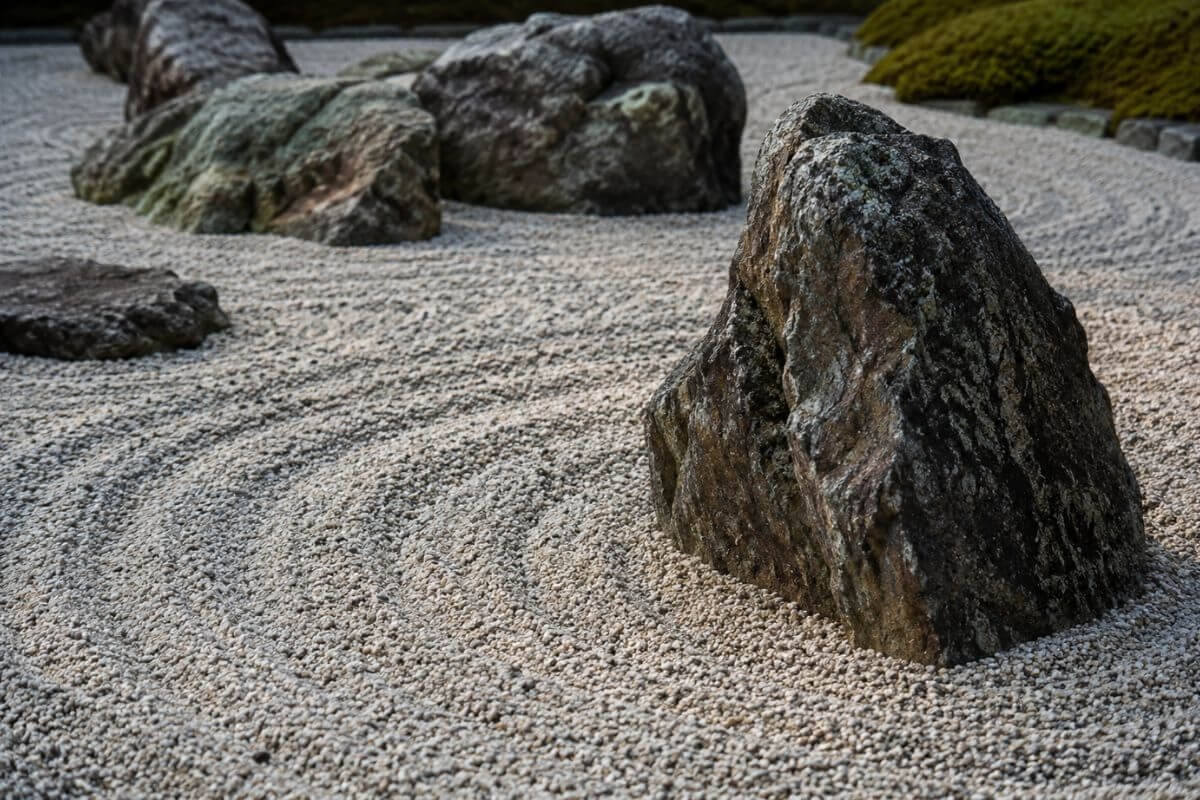
Japan’s Zen gardens are more than beautiful places to visit. They are peaceful spaces designed to slow your thoughts, calm your mind, and help you reconnect with yourself. When you step into one of these gardens, you notice the sound of gravel under your feet, the stillness of moss-covered stones, and the careful balance between nature and emptiness.
If you are looking for quiet reflection during your trip to Japan, Zen gardens offer one of the best experiences possible. Some are hidden inside ancient temples, while others sit beside mountains, forests, or traditional wooden halls. Each one gives you a different feeling, but all of them encourage silence and mindfulness.
In this guide, you will discover the top Zen gardens in Japan that are perfect for peaceful moments away from crowds and noise.
Quick Summary Table 🪨
| Zen Garden | Location | Best Feature | Ideal For |
|---|---|---|---|
| Ryōan-ji | Kyoto | Famous rock garden | Meditation and simplicity |
| Daisen-in | Kyoto | Symbolic dry landscape | Deep reflection |
| Saihō-ji | Kyoto | Moss-filled serenity | Nature lovers |
| Tōfuku-ji Hojo Garden | Kyoto | Modern Zen design | Photography and calm walks |
| Ginkaku-ji | Kyoto | Elegant sand garden | Quiet sightseeing |
| Zuihō-in | Kyoto | Hidden peaceful setting | Escape from crowds |
| Adachi Museum Garden | Shimane | Perfectly maintained scenery | Art and tranquility |
| Kōmyōzen-ji | Fukuoka | Small but intimate garden | Relaxing temple visits |
| Konkai Kōmyō-ji | Kyoto | Spacious quiet grounds | Slow contemplation |
| Engaku-ji | Kamakura | Forest Zen atmosphere | Spiritual retreats |
How We Ranked These Zen Gardens 🍃
We selected these gardens based on several important factors that matter most for quiet reflection and meaningful travel experiences:
- Peaceful atmosphere and low noise levels
- Historical and cultural importance
- Beauty throughout different seasons
- Unique Zen garden design and symbolism
- Ease of spending time quietly without feeling rushed
- Natural surroundings such as forests, moss, or mountains
- Opportunities for meditation and mindfulness
- Overall visitor experience and emotional impact
1. Ryōan-ji, Kyoto 🏯
Few places in Japan capture the spirit of Zen better than Ryōan-ji. Its world-famous rock garden is simple at first glance, yet deeply mysterious the longer you sit with it.
The garden contains carefully placed rocks surrounded by white gravel that is raked into smooth patterns. There are no colorful flowers or dramatic water features. Instead, the beauty comes from stillness and balance. You may find yourself staring quietly for twenty minutes without realizing how much time has passed.
One of the most fascinating parts of Ryōan-ji is that you can never see all fifteen stones at once from any viewing angle. This detail encourages mindfulness and reminds you that no perspective is ever complete.
Early morning is the best time to visit because the temple grounds feel incredibly calm before larger crowds arrive. During autumn, the changing maple leaves add gentle color to the peaceful setting.
2. Daisen-in, Kyoto 🌸
Located inside the famous Daitoku-ji temple complex, Daisen-in offers one of the most thoughtful Zen garden experiences in the country.
The dry landscape garden tells a symbolic story of life through stones, gravel, and miniature flowing forms. Water is represented without using actual water, which reflects an important principle in Zen design. Everything has meaning, even empty space.
As you move through the temple, you begin noticing how carefully every element connects together. The small size of the garden actually makes the experience feel more personal and immersive.
Unlike some larger tourist attractions, Daisen-in often feels quiet and intimate. It is an ideal place if you enjoy thoughtful reflection and spiritual atmosphere rather than dramatic scenery.
3. Saihō-ji, Kyoto 🍀
Better known as the Moss Temple, Saihō-ji feels like stepping into another world.
More than one hundred types of moss cover the garden in soft green layers that create an almost dreamlike atmosphere. Rainy days make the moss even more vibrant, giving the entire garden a magical feeling.
Before entering, visitors often participate in a quiet Buddhist practice such as copying sutras. This experience naturally slows your mind and prepares you for peaceful reflection inside the garden itself.
Walking along the winding paths feels deeply calming. You hear birds, light wind, and occasional drops of water, but very little else. It is one of the best Zen destinations in Japan for reconnecting with nature and silence.
4. Tōfuku-ji Hojo Garden, Kyoto 🍁
Tōfuku-ji is famous for its autumn leaves, but its Hojo Garden deserves equal attention.
Designed in a more modern Zen style, the garden combines geometric patterns, checkerboard moss sections, and carefully placed stones. It feels clean, balanced, and artistic without losing its spiritual atmosphere.
The garden changes beautifully throughout the seasons. In the fall, warm colors surround the calm stone arrangements. In winter, the simplicity of snow against gravel creates an especially peaceful scene.
You can sit quietly on the wooden veranda and watch the shadows move slowly across the garden. It becomes easy to forget the busy world outside.
5. Ginkaku-ji, Kyoto 🌙
Ginkaku-ji, also known as the Silver Pavilion, offers a graceful combination of Zen simplicity and refined beauty.
Its famous sand garden includes a large cone-shaped mound called the Moon Viewing Platform. The carefully raked white sand reflects sunlight beautifully during the day and creates a soft glow in the evening light.
The walking paths lead through moss gardens, shaded trees, and hillside viewpoints overlooking Kyoto. Even though the temple is popular, there are still many quiet corners where you can pause and reflect peacefully.
The balance between open space and natural scenery makes Ginkaku-ji feel calm rather than overwhelming.
6. Zuihō-in, Kyoto 🌾
Hidden inside the Daitoku-ji temple complex, Zuihō-in is one of Kyoto’s lesser-known Zen treasures.
This garden combines traditional dry landscape elements with subtle Christian influences from Japan’s historical past. The design feels unique while still remaining deeply peaceful.
Because fewer tourists visit here, the atmosphere often feels wonderfully quiet. You can spend long periods sitting near the veranda while listening to nothing but distant birds and rustling leaves.
The simplicity of the stone arrangements encourages calm observation. Instead of trying to impress visitors, the garden gently invites you to slow down.
7. Adachi Museum Garden, Shimane 🎋
The gardens at Adachi Museum of Art are often considered among the most beautiful in Japan.
Unlike traditional temple gardens, these landscapes are viewed like living paintings through carefully framed windows. Every tree, rock, and patch of moss is maintained with incredible precision.
The result is breathtaking, yet surprisingly calming. Even though the gardens are highly polished, they never feel artificial. Instead, they create a sense of harmony between art and nature.
The changing seasons make each visit feel different. Spring greenery, summer reflections, autumn colors, and winter snow all transform the scenery into something unforgettable.
8. Kōmyōzen-ji, Fukuoka 🧘
Located near Dazaifu, Kōmyōzen-ji offers a quieter Zen experience away from Kyoto’s larger crowds.
The temple features beautiful dry rock gardens and peaceful moss areas that create a deeply relaxing environment. Because the space is smaller, it feels more personal and easier to connect with emotionally.
Many visitors stop briefly before moving on, but staying longer is highly rewarding. Sitting quietly near the garden allows you to fully appreciate the subtle details in the raked gravel and stone placement.
The surrounding town also has a slower pace, making the entire visit feel calm and restorative.
9. Konkai Kōmyō-ji, Kyoto 🍂
Konkai Kōmyō-ji remains one of Kyoto’s quieter temple destinations despite its impressive beauty.
Its spacious grounds include elegant Zen landscapes, peaceful pathways, and seasonal scenery that feels especially beautiful in autumn. The temple atmosphere encourages slow walking and quiet thought rather than fast sightseeing.
One of the best parts of visiting is the sense of openness. Unlike some crowded tourist spots, you can often find entire sections where almost nobody else is around.
This makes it an excellent place for travelers who want a more personal and reflective experience in Kyoto.
10. Engaku-ji, Kamakura 🌊
Surrounded by forested hills, Engaku-ji offers a Zen atmosphere that feels deeply connected to nature.
The temple complex includes quiet pathways, meditation halls, and traditional gardens that blend naturally with the surrounding landscape. Birds, wind, and distant temple bells create a peaceful soundtrack throughout the visit.
Kamakura itself has a slower rhythm compared to Tokyo, making Engaku-ji an excellent day trip for mental relaxation.
If you visit early in the morning, mist sometimes hangs lightly around the trees, giving the temple an almost timeless feeling.
Conclusion ✨
Japan’s Zen gardens are not just places to look at. They are places to feel. Each garden encourages you to slow down, breathe deeply, and appreciate silence in a world that often feels too busy.
Whether you choose the famous rock garden of Ryōan-ji, the moss-covered beauty of Saihō-ji, or the forest calm of Engaku-ji, you will discover moments of quiet reflection that stay with you long after your trip ends.
The best way to experience these gardens is simply to sit still for a while. Leave your phone in your pocket, listen carefully, and let the peaceful atmosphere do the rest.
Frequently Asked Questions 🌼
What is the difference between a Zen garden and a regular Japanese garden?
Zen gardens usually focus on simplicity, meditation, and symbolic design. They often use rocks, gravel, moss, and empty space instead of colorful flowers or large ponds. Traditional Japanese gardens may include bridges, waterfalls, koi ponds, and more decorative elements.
What is the best season to visit Zen gardens in Japan?
Every season offers something special. Spring brings fresh greenery, summer feels peaceful and lush, autumn adds colorful leaves, and winter highlights the simplicity of stone and gravel designs. Many travelers especially love autumn and early spring.
Are Zen gardens suitable for children?
Yes, but Zen gardens are best enjoyed quietly. Families with calm and respectful children can still have a wonderful experience. Some gardens are more peaceful and less crowded than others, making them easier for families to enjoy comfortably.
Can you meditate inside Japanese Zen gardens?
Many Zen gardens encourage silent reflection and meditation, although formal meditation rules vary by temple. Sitting quietly and observing the surroundings mindfully is usually welcomed as long as visitors remain respectful.
How much time should you spend at a Zen garden?
You can technically walk through some gardens in fifteen minutes, but spending at least thirty minutes to one hour allows you to fully appreciate the atmosphere. The slower you move, the more meaningful the experience becomes.