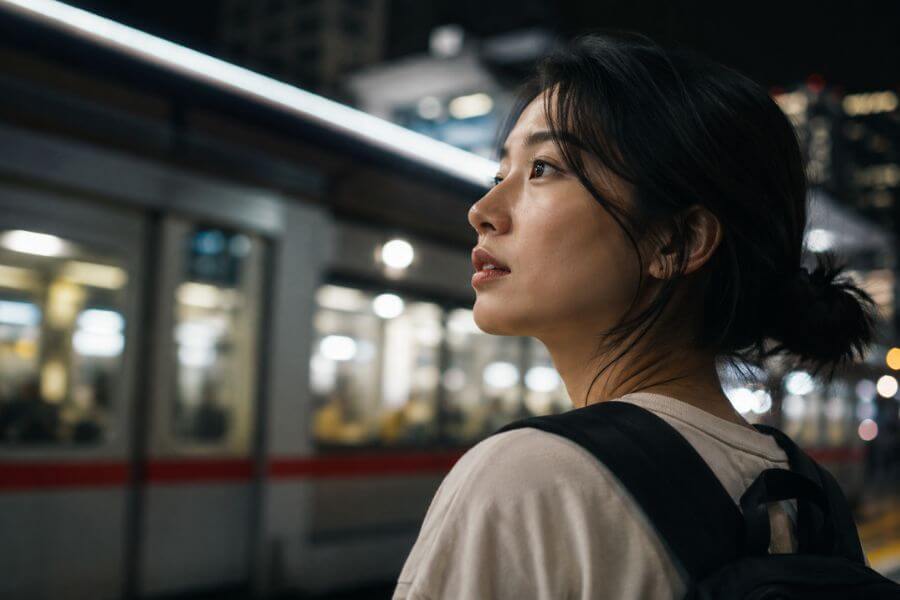
If you’re planning a solo trip to Japan, one question probably keeps coming up: Is Japan actually safe for solo female travelers?
The short answer is yes. Japan is widely considered one of the safest countries in the world, and many women travel there alone every year without major problems. However, the full answer is more complicated than the travel brochures make it seem.
No destination is completely risk-free. While Japan offers low crime rates, reliable transportation, and a culture that values public order, solo female travelers can still face challenges such as unwanted attention, crowded trains, nightlife risks, and cultural misunderstandings.
This guide gives you the most honest answers possible. Instead of repeating travel clichés, you’ll learn what Japan does exceptionally well, where you should stay alert, and how to travel confidently throughout the country.
Quick Summary Table 📋
| Question | Honest Answer |
|---|---|
| Is Japan generally safe? | Yes, extremely safe compared to most countries. |
| Can women walk alone at night? | Usually yes, but common sense still matters. |
| Is violent crime common? | No, it is very rare. |
| Are trains safe? | Mostly yes, though crowded trains can have issues. |
| Is public transportation reliable? | Very reliable and easy to use. |
| Can you travel outside major cities safely? | Yes, rural areas are often even safer. |
| Is nightlife safe? | Generally yes, but caution is still needed. |
| Can you stay in hostels safely? | Most are clean, secure, and female-friendly. |
| Do locals help travelers? | Often yes, even with language barriers. |
| Should you still take precautions? | Absolutely. Safe does not mean risk-free. |
How We Ranked These Answers 🔍
We focused on the factors that matter most to solo female travelers:
- Personal safety in daily situations
- Public transportation experiences
- Nighttime safety
- Accommodation security
- Common traveler concerns
- Experiences reported by women travelers
- Cultural attitudes toward visitors
- Emergency support availability
- Risks unique to Japan
- Practical travel confidence
1. Yes, Japan Is One of the Safest Countries You Can Visit 🗾
If your biggest concern is overall safety, Japan scores extremely well.
Violent crime rates are low. Many locals leave personal items unattended in cafes for short periods. Lost wallets and phones are frequently returned. Public spaces generally feel calm and orderly.
As a solo female traveler, you will likely notice how comfortable everyday activities feel. Taking trains alone, eating alone, and exploring neighborhoods independently are all normal parts of Japanese culture.
That said, safety statistics should not make you careless. Every country has risks, and awareness remains important.
2. Walking Alone at Night Usually Feels Comfortable 🌙
Many women are surprised by how safe Japanese cities feel after dark.
Busy areas remain active late into the evening. Convenience stores stay open around the clock, streets are often well-lit, and public transportation continues running until late at night.
Popular neighborhoods in cities like Tokyo, Kyoto, and Osaka generally feel safe for evening walks.
However, “safe” does not mean “invincible.”
Avoid isolated alleys, empty parks, and poorly lit areas late at night. The same common-sense rules you would use anywhere else still apply.
3. You Are More Likely to Face Minor Issues Than Serious Crime 🚶♀️
One of the most honest answers is that serious danger is uncommon, but minor, uncomfortable situations can happen.
Some women report:
- Unwanted staring
- Persistent attempts at conversation
- Drunk behavior around nightlife districts
- Personal space issues in crowded places
These experiences can be frustrating but are usually not dangerous.
The key difference is that most incidents tend to be uncomfortable rather than threatening. Understanding this helps create realistic expectations before your trip.
4. Trains Are Safe, But Crowded Hours Require Awareness 🚆
Japan’s train system is famous for being efficient, clean, and dependable.
For solo female travelers, trains are generally very safe. Millions of people use them every day.
However, rush-hour crowds can be extremely dense in major cities. Unfortunately, inappropriate behavior occasionally occurs in packed train cars.
This is one reason many train systems offer women-only cars during certain morning rush-hour periods.
If a train feels too crowded, simply wait for the next one. Comfort is often worth the extra few minutes.
5. Solo Dining Is Completely Normal 🍜
Many women worry about eating alone while traveling.
In Japan, this concern disappears quickly.
Restaurants regularly serve solo customers. Counter seating is common. Many ramen shops, cafes, sushi restaurants, and casual eateries are designed for individuals.
You rarely feel judged for dining alone.
For solo female travelers, this creates a sense of independence that can be difficult to find in some other destinations.
6. Hotels and Hostels Often Cater to Female Travelers 🏨
Accommodation is another area where Japan performs very well.
Many hostels provide:
- Female-only dormitories
- Secure key-card access
- Personal lockers
- Female-only floors
- Enhanced security measures
Business hotels are also popular among solo travelers because they are affordable, clean, and located near train stations.
As long as you book reputable accommodations, you can usually expect a high standard of safety and cleanliness.
7. Rural Japan Can Feel Even Safer Than Major Cities 🌿
Many first-time visitors assume large cities are the safest option.
Surprisingly, smaller towns and countryside destinations often feel even more secure.
In rural areas, crime rates tend to be extremely low. Communities are close-knit, and residents are often curious and welcoming toward visitors.
Places such as mountain villages, coastal towns, and hot spring destinations can provide a relaxing environment for solo exploration.
The bigger challenge in rural Japan is transportation and language barriers, not personal safety.
8. Nightlife Is Safe, But Smart Decisions Still Matter 🍸
Japan’s nightlife districts are generally safer than those in many countries.
You can often enjoy bars, restaurants, karaoke venues, and entertainment districts without major concerns.
However, some precautions remain important:
- Watch your drinks
- Avoid aggressive street promoters
- Limit excessive drinking
- Stay aware of your surroundings
- Know how to get back to your hotel
Most problems involving tourists occur when alcohol becomes a factor.
A little caution goes a long way.
9. Local People Often Help More Than You Expect 🤝
Language barriers can seem intimidating before your trip.
In reality, many Japanese people make genuine efforts to help travelers.
You may encounter station employees who personally walk you to the correct platform, shop owners who help with directions, or strangers who assist when you look lost.
Not everyone speaks fluent English, but many people try their best to help.
This supportive atmosphere often increases solo travelers’ confidence throughout their journey.
10. The Biggest Mistake Is Assuming “Safe” Means “No Precautions Needed” ⚠️
This is perhaps the most important answer on the list.
Japan is very safe, but no destination is perfect.
You should still:
- Keep valuables secure
- Stay aware of your surroundings
- Trust your instincts
- Share travel plans with someone
- Research neighborhoods before visiting
- Have emergency contacts available
The safest travelers are usually the ones who balance confidence with awareness.
Japan rewards that approach exceptionally well.
Conclusion ✨
So, is Japan actually safe for solo female travelers?
Yes. For many women, it is one of the safest and most comfortable countries they will ever visit alone. Low crime rates, excellent transportation, welcoming accommodations, and a culture that accepts solo activities all contribute to an environment where independent travel feels natural.
At the same time, it is important to avoid unrealistic expectations. Minor issues can happen, crowded trains can be uncomfortable, and nightlife areas still require caution.
The most honest answer is this: Japan offers an outstanding level of safety, but smart travel habits remain essential.
If you combine basic awareness with reasonable precautions, Japan can be an incredibly rewarding destination for your first solo adventure or your tenth.
Frequently Asked Questions ❓
Is Japan a good destination for a woman’s first solo international trip?
Yes. Japan is often recommended for first-time solo travelers because of its reliable transportation, clean public spaces, low crime rates, and easy access to tourist services.
What should solo female travelers wear in Japan?
You can wear most casual clothing comfortably. Japan tends to be modest compared to some Western countries, so many travelers feel more comfortable with outfits that are not overly revealing.
Are capsule hotels safe for solo female travelers?
Many capsule hotels are very safe and offer female-only sections. Always check reviews and security features before booking.
What emergency number should travelers know in Japan?
The police emergency number is 110, while ambulance and fire services can be reached by calling 119.
Is it safe to use public transportation late at night in Japan?
Generally yes. Trains, subways, and stations are usually safe, but remaining aware of your surroundings and avoiding isolated areas is still recommended.