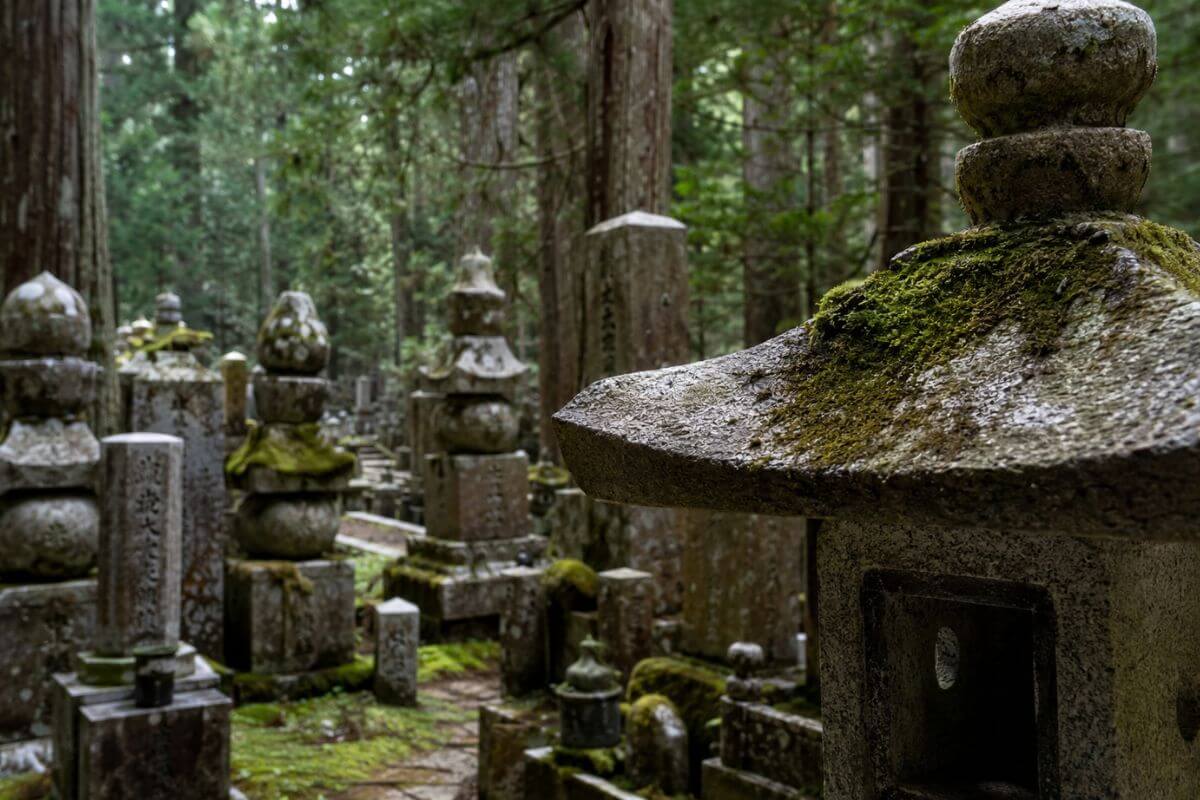
Japan is known for ancient temples, quiet forests, and deep respect for history. But beyond the famous shrines and castles, you can also discover some of the world’s most fascinating graveyards and memorial sites. These places are not only peaceful and beautiful, but they also tell powerful stories about samurai, emperors, war victims, monks, writers, and ordinary people who shaped Japanese culture.
When you visit these sites, you are not just looking at old graves. You are walking through centuries of history, tradition, and spiritual belief. Some locations are hidden in misty mountains, while others sit quietly inside busy modern cities. Each one offers a unique experience that helps you better understand Japan’s past and present.
In this guide, you will explore ten of the most interesting graveyards and memorial sites across Japan, along with what makes each place special and worth visiting.
Quick Summary Table 🗾
| Rank | Site | Location | Known For | Best Feature |
|---|---|---|---|---|
| 1 | Okunoin Cemetery | Koyasan | Largest cemetery in Japan | Mystical forest paths |
| 2 | Hiroshima Peace Memorial Park | Hiroshima | Atomic bomb memorial | Emotional historical impact |
| 3 | Yanaka Cemetery | Tokyo | Historic Tokyo cemetery | Cherry blossom scenery |
| 4 | Chidorigafuchi National Cemetery | Tokyo | War memorial site | Calm and respectful atmosphere |
| 5 | Zoshigaya Cemetery | Tokyo | Famous Japanese figures | Literary and artistic history |
| 6 | Aoyama Cemetery | Tokyo | Foreign and Japanese graves | Urban beauty and history |
| 7 | Mount Osore Memorial Area | Aomori | Spiritual afterlife beliefs | Mysterious volcanic landscape |
| 8 | Sengakuji Temple Cemetery | Tokyo | Forty Seven Ronin graves | Legendary samurai story |
| 9 | Reihoku Cemetery | Nagasaki | Christian history | Blend of Japanese and Western culture |
| 10 | Himeyuri Peace Museum and Memorial | Okinawa | World War II tragedy | Personal wartime stories |
How We Ranked These Sites 🏮
We selected these graveyards and memorial sites using several important factors:
- Historical importance in Japanese culture
- Unique stories connected to the site
- Visual beauty and atmosphere
- Cultural and spiritual significance
- Visitor experience and accessibility
- Preservation of history and traditions
- Educational value for travelers
- Popularity among both locals and international visitors
1. Okunoin Cemetery, Koyasan 🌲
Okunoin Cemetery is one of the most magical and unforgettable places you can visit in Japan. Located in the sacred mountain town of Koyasan, this cemetery stretches through a massive cedar forest filled with moss-covered tombstones, stone lanterns, and ancient pathways.
More than 200,000 graves can be found here. Many belong to the samurai, monks, feudal lords, and important historical figures. The cemetery also leads to the mausoleum of Kobo Daishi, the founder of Shingon Buddhism. According to belief, Kobo Daishi is not dead but resting in eternal meditation.
As you walk through the quiet forest, you will notice a peaceful atmosphere unlike anywhere else in Japan. Early morning fog and soft lantern light make the area feel almost dreamlike.
You should especially visit at night when guided lantern tours create a mysterious and spiritual experience.
2. Hiroshima Peace Memorial Park, Hiroshima 🕊️
Hiroshima Peace Memorial Park is one of the most emotional and meaningful memorial sites in the world. Built near the location where the atomic bomb exploded in 1945, the park honors the victims and promotes peace for future generations.
The site includes several important memorials, museums, and monuments. The Atomic Bomb Dome remains partially standing as a reminder of the destruction. Nearby, you will find the Children’s Peace Monument, inspired by Sadako Sasaki and her thousand paper cranes.
Walking through the park gives you a deep understanding of the human cost of war. Despite the tragic history, the atmosphere is calm and hopeful.
You will likely leave feeling reflective and emotionally moved.
3. Yanaka Cemetery, Tokyo 🌸
Yanaka Cemetery offers a completely different experience from the crowded streets of Tokyo. Located in one of the city’s older neighborhoods, this cemetery combines history, nature, and local culture.
The cemetery is famous for its wide walking paths lined with cherry blossom trees. During spring, the area becomes one of Tokyo’s hidden cherry blossom spots.
You can also find the grave of Tokugawa Yoshinobu, the last shogun of Japan. His tomb stands out because of its unique design and historical importance.
Unlike many tourist attractions, Yanaka Cemetery feels relaxed and authentic. Locals walk their dogs, students pass through quietly, and visitors enjoy peaceful walks surrounded by history.
4. Chidorigafuchi National Cemetery, Tokyo 🇯🇵
Chidorigafuchi National Cemetery is dedicated to unidentified Japanese soldiers who died during World War II. The site was created to provide a respectful resting place for those whose remains could not be returned to their families.
The cemetery is beautifully maintained with clean stone paths, green lawns, and quiet gardens. It is not as crowded as other memorial locations, which allows visitors to reflect peacefully.
Many people visit during spring because the nearby moat area becomes covered with cherry blossoms. The combination of beauty and remembrance creates a powerful emotional atmosphere.
This site shows Japan’s ongoing effort to remember the lives lost during wartime while encouraging peace and reconciliation.
5. Zoshigaya Cemetery, Tokyo 📚
Zoshigaya Cemetery is especially interesting if you enjoy literature, art, and Japanese culture. Many famous writers, artists, and scholars are buried here.
You can visit the graves of novelist Natsume Soseki, author Izumi Kyoka, and other cultural figures who helped shape modern Japanese literature.
The cemetery itself feels old and traditional. Narrow paths wind between family graves, stone lanterns, and large trees that provide shade throughout the year.
Because it sits inside Tokyo, the contrast between modern city life and the quiet cemetery atmosphere feels striking. One moment you hear city traffic, and the next you are standing beside graves that are over a century old.
6. Aoyama Cemetery, Tokyo 🌆
Aoyama Cemetery is one of Tokyo’s most famous cemeteries and is known for blending Japanese and international history. Foreign diplomats, military officers, politicians, and Japanese elites are buried here.
The cemetery was established during the Meiji Era, when Japan opened more strongly to the outside world. Because of this, you will notice both Japanese and Western-style gravestones throughout the grounds.
One of the most famous graves belongs to Hachiko’s owner, Professor Ueno. Many visitors know Hachiko as the loyal dog who waited daily at Shibuya Station.
The cemetery is also popular during cherry blossom season when the long roads become covered in soft pink flowers.
7. Mount Osore Memorial Area, Aomori 🌋
Mount Osore is one of Japan’s most mysterious spiritual locations. Many Japanese people believe it is closely connected to the world of the dead.
The landscape looks almost otherworldly with volcanic rocks, sulfur smells, steaming ground, and silent lakes. Small windmills placed by grieving families spin gently in the wind.
The memorial areas around Mount Osore are deeply emotional because many families come to remember lost children and loved ones.
It is also famous for spiritual mediums known as itako, who are believed by some to communicate with spirits during special festivals.
Visiting Mount Osore feels very different from visiting a traditional cemetery. It is both haunting and peaceful at the same time.
8. Sengakuji Temple Cemetery, Tokyo ⚔️
Sengakuji Temple Cemetery is famous for the graves of the Forty Seven Ronin, one of Japan’s greatest samurai legends.
According to the story, these samurai avenged the death of their master and later accepted honorable death as punishment. Their loyalty and sacrifice became symbols of samurai values such as honor, duty, and courage.
Visitors often leave incense at the ronin graves to show respect. The cemetery also includes a small museum displaying armor, letters, and historical items connected to the story.
Even today, the tale of the Forty Seven Ronin remains deeply respected throughout Japan.
If you love samurai history, this site is essential.
9. Reihoku Cemetery, Nagasaki ⛪
Nagasaki has a unique history because it was one of Japan’s main gateways to foreign trade and Christianity. Reihoku Cemetery reflects this cultural mix beautifully.
Many graves belong to foreign merchants, missionaries, and Japanese Christians from past centuries. The cemetery combines Japanese traditions with Western gravestone styles, creating a very unusual atmosphere compared to other cemeteries in Japan.
The area also reminds visitors of the hardships faced by Christians during periods of religious persecution.
Because Nagasaki already has a rich international history, this cemetery adds another layer to understanding the city’s cultural identity.
10. Himeyuri Peace Museum and Memorial, Okinawa 🌺
The Himeyuri Peace Museum and Memorial honors female student nurses who died during the Battle of Okinawa in World War II.
These young students were forced to assist soldiers in terrible wartime conditions. Many lost their lives during the fighting.
The museum shares personal stories, photographs, and belongings that make the tragedy feel deeply human and personal.
Outside the museum, the memorial area offers a peaceful place for remembrance surrounded by Okinawa’s natural beauty.
This site stands out because it focuses not only on war history but also on the experiences of ordinary young people caught in unimaginable circumstances.
Conclusion 🧭
Japan’s graveyards and memorial sites are far more than quiet resting places. They are living pieces of history that help you understand the country’s culture, spirituality, struggles, and traditions.
Some sites teach lessons about war and peace. Others reveal stories about samurai loyalty, religious beliefs, or artistic achievement. Whether you walk through the mystical forest paths of Okunoin or stand silently in Hiroshima Peace Memorial Park, each location leaves a lasting impression.
If you want to experience a deeper and more meaningful side of Japan beyond the usual tourist attractions, these historic sites are absolutely worth adding to your travel plans.
Frequently Asked Questions ❓
Are graveyards in Japan open to tourists?
Yes, many graveyards and memorial sites in Japan welcome respectful visitors. Some are major tourist attractions, while others are quieter local places. Visitors should remain respectful by speaking softly and avoiding disruptive behavior.
What is the most famous cemetery in Japan?
Okunoin Cemetery in Koyasan is widely considered the most famous cemetery in Japan because of its enormous size, spiritual importance, and beautiful forest setting.
Is it okay to take photos at Japanese memorial sites?
In most places, photography is allowed outdoors. However, some museums or sacred areas may restrict photos. You should always check signs and avoid taking disrespectful selfies or loud group photos.
Which memorial site in Japan is the most emotional to visit?
Many visitors find Hiroshima Peace Memorial Park to be the most emotional because it directly shows the human impact of nuclear war and honors thousands of victims.
When is the best season to visit cemeteries and memorial sites in Japan?
Spring and autumn are usually the best times. Spring offers cherry blossoms and mild weather, while autumn provides colorful leaves and comfortable temperatures for walking.