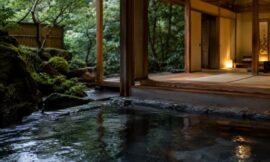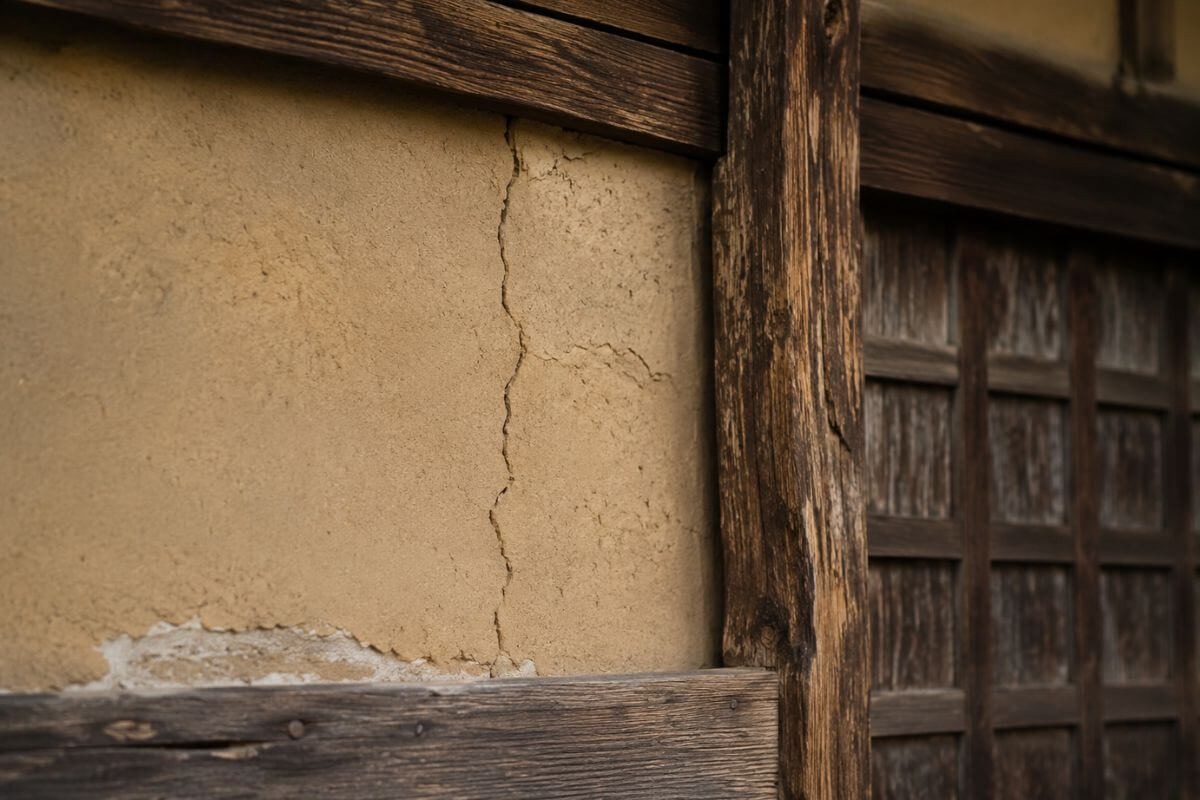
When you travel through Japan, you quickly notice that beauty is not always loud or perfect. Some of the most memorable places are quiet, simple, worn by time, and full of small details that make you stop and look closer. This feeling is deeply connected to the Japanese idea of wabi-sabi.
Wabi-sabi is a design philosophy that finds beauty in imperfection, simplicity, aging, and nature. Instead of hiding cracks, weathered wood, faded colors, or uneven shapes, wabi-sabi embraces them. It teaches you to appreciate things that feel natural and real.
In Japan, you can see wabi-sabi everywhere. It appears in tea houses, gardens, pottery, temples, architecture, and even everyday objects. These places often feel calm because they are not trying to impress you with luxury. Instead, they create peace through simplicity and authenticity.
In this guide, you will discover ten amazing examples of wabi-sabi design you can experience across Japan and learn why these spaces leave such a strong emotional impression on visitors.
Quick Summary Table 🏯
| Rank | Place or Design Example | Location | What Makes It Wabi-Sabi |
|---|---|---|---|
| 1 | Traditional Tea Houses | Kyoto | Simple materials and quiet atmosphere |
| 2 | Kintsugi Pottery | Across Japan | Broken pottery repaired with gold |
| 3 | Ryoan-ji Zen Garden | Kyoto | Minimalist rock garden design |
| 4 | Old Wooden Temples | Nara | Natural aging and weathered textures |
| 5 | Rustic Ryokan Inns | Rural Japan | Handmade interiors and imperfect beauty |
| 6 | Moss Gardens | Kyoto | Natural growth and seasonal change |
| 7 | Bizen Ware Pottery | Okayama | Uneven textures and earthy finishes |
| 8 | Bamboo Fences and Gates | Kyoto | Organic materials that age naturally |
| 9 | Countryside Farmhouses | Shirakawa-go and beyond | Traditional living spaces shaped by time |
| 10 | Weathered Stone Paths | Historic districts across Japan | Imperfect pathways filled with history |
How We Ranked These Examples 🌿
We selected these examples based on several important factors:
- Connection to traditional Japanese aesthetics
- Strong reflection of imperfection and simplicity
- Historical and cultural importance
- Emotional atmosphere and sense of calm
- Visibility and accessibility for visitors
- Use of natural materials and aging textures
- Influence on modern Japanese design
- Seasonal beauty and changing appearance over time
1. Traditional Tea Houses in Kyoto 🍵
Traditional Japanese tea houses may be the purest example of wabi-sabi design. When you enter one, you immediately notice the simplicity. The rooms are small, the lighting is soft, and the decorations are minimal.
Nothing feels flashy or overly polished. Tatami mats may show signs of age. Wooden beams may have uneven textures. Tea bowls are often handmade and slightly asymmetrical. These details are intentional because wabi-sabi values authenticity over perfection.
Tea houses are designed to help you slow down and focus on the present moment. Every sound becomes noticeable, from water boiling to bamboo moving in the wind outside. The quiet atmosphere encourages mindfulness and appreciation for simple beauty.
Kyoto is especially famous for preserving old tea houses that still reflect centuries of Japanese tradition. Walking through areas like Gion or Higashiyama gives you many chances to experience this peaceful design style firsthand.
2. Kintsugi Pottery 🎨
Kintsugi is one of the most famous visual expressions of wabi-sabi philosophy. Instead of throwing away broken pottery, Japanese artisans repair cracks using lacquer mixed with gold powder.
Rather than hiding the damage, the repair becomes part of the object’s beauty. The cracks tell a story about time, use, and survival. This idea perfectly represents wabi-sabi because it celebrates imperfection and transformation.
Every repaired bowl or cup becomes unique. No two patterns of cracks are the same. Many people find kintsugi emotionally powerful because it reflects the idea that flaws and hardships can add beauty rather than remove it.
You can see kintsugi pottery in museums, tea ceremonies, craft shops, and galleries throughout Japan. Some workshops even allow visitors to try the technique themselves.
3. Ryoan-ji Zen Garden in Kyoto 🪨
The rock garden at Ryoan-ji Temple is one of Japan’s most famous Zen spaces. At first glance, it may seem extremely simple. The garden contains carefully placed rocks surrounded by white gravel.
Yet the emotional impact is surprisingly deep.
The empty spaces are just as important as the rocks themselves. Wabi-sabi often values silence, simplicity, and what is left unsaid. The garden creates beauty through restraint rather than decoration.
The gravel is carefully raked every day, but small imperfections still appear naturally through weather and time. Light changes throughout the day, giving the garden a different feeling each hour.
Many visitors spend long periods quietly observing the garden because it creates a strong sense of calm and reflection.
4. Old Wooden Temples in Nara ⛩️
Japan’s ancient wooden temples beautifully demonstrate how wabi-sabi embraces aging. In cities like Nara, many temple buildings have stood for hundreds of years.
The wood darkens naturally over time. Rain, wind, sunlight, and changing seasons slowly shape the surfaces. Instead of replacing every aged section, many temples preserve these textures because they show history and character.
Walking through temple grounds often feels peaceful because nothing appears artificial. Moss grows between stones, wooden pillars creak softly, and faded surfaces create warmth rather than decay.
These temples remind you that beauty does not need to stay new forever. In wabi-sabi thinking, aging is part of life and should be appreciated instead of feared.
5. Rustic Ryokan Inns 🛏️
A traditional ryokan is a Japanese inn that focuses on comfort, simplicity, and hospitality. Many rural ryokan perfectly capture wabi-sabi design through natural materials and handmade details.
Rooms often feature wooden walls, paper sliding doors, woven tatami floors, and low furniture. Nothing feels overly modern or excessive. Instead, the atmosphere feels calm and grounded.
Many ryokan use seasonal decorations like fresh flowers or simple calligraphy scrolls. These small touches help guests feel connected to nature and time.
The quiet imperfections are what make these inns memorable. You may notice uneven handmade pottery at dinner or wooden floors softened by decades of use. These details create warmth and personality that modern hotels sometimes lack.
6. Moss Gardens in Kyoto 🌱
Moss gardens are another beautiful example of wabi-sabi because they constantly change with moisture, sunlight, and the seasons.
In Kyoto, temple gardens covered in moss create a dreamlike atmosphere. The soft green textures spread naturally across stones, pathways, and tree roots. Nothing grows in perfect patterns, which is exactly why the spaces feel so calming.
Wabi-sabi values natural processes rather than strict control. Moss gardens show how beauty can develop slowly over time without forcing perfection.
After rain, the colors become deeper and more vibrant. In autumn, fallen leaves scatter across the moss and create temporary patterns that disappear days later. These changing details reflect the temporary nature of beauty, which is an important part of wabi-sabi philosophy.
7. Bizen Ware Pottery in Okayama 🔥
Bizen ware is one of Japan’s oldest pottery traditions and a perfect example of rustic elegance.
Unlike glossy ceramics, Bizen pottery often has rough textures, earthy colors, and uneven surfaces. The pieces are fired using traditional wood-burning kilns, which create unpredictable patterns and natural marks.
Because the firing process is difficult to control completely, each piece develops its own character. Flames, ash, and heat leave unique traces on every bowl, vase, or cup.
This unpredictability is highly valued in wabi-sabi design. Instead of chasing flawless results, Bizen pottery accepts natural variation and imperfection as part of the artistic process.
Holding a piece of Bizen ware often feels more personal because you can sense the human craftsmanship behind it.
8. Bamboo Fences and Gates in Kyoto 🎋
As you walk through old Kyoto neighborhoods, you often see bamboo fences, weathered gates, and natural wooden walls lining quiet streets.
These simple structures are classic examples of wabi-sabi design because they blend naturally with their surroundings. Bamboo fades, bends, and changes color over time. Instead of replacing materials immediately, many traditional properties allow them to age gracefully.
The textures become softer and more beautiful with years of exposure to rain and sunlight.
These fences are rarely perfectly straight or identical. Their handmade appearance creates warmth and authenticity that modern industrial materials often lack.
The result is an environment that feels peaceful, humble, and connected to nature.
9. Countryside Farmhouses in Rural Japan 🚜
Traditional Japanese farmhouses, especially in rural villages, reveal another side of wabi-sabi beauty.
These homes were built for practical living rather than decoration. Thick wooden beams, smoke-darkened ceilings, clay walls, and worn floors all show signs of daily life over many generations.
The beauty comes from honesty and function. Nothing feels overly designed or artificial.
In villages like Shirakawa-go, many old farmhouses still stand against changing weather and seasons. Snow, rain, and sunlight continue shaping the materials year after year.
When you visit these homes, you can feel the passage of time in every corner. This quiet connection to history is central to the wabi-sabi experience.
10. Weathered Stone Paths in Historic Districts 🚶
Some of Japan’s most beautiful design elements are also the simplest. Old stone paths found in temple towns and historic districts perfectly express wabi-sabi ideals.
The stones are uneven from centuries of footsteps. Moss grows between cracks. Rain changes their color, and fallen leaves collect naturally along the edges.
These paths feel alive because they carry visible signs of time and human experience.
Unlike perfectly smooth modern sidewalks, old stone paths invite you to slow down and notice small details. Every irregular surface adds personality and atmosphere.
Whether you are walking through Kyoto, Kanazawa, or a small countryside village, these pathways quietly demonstrate how imperfection can create beauty.
Conclusion 🌸
Wabi-sabi is more than just a design style. It is a way of seeing the world. In Japan, you can experience this philosophy through old temples, tea houses, gardens, pottery, and even simple everyday spaces.
What makes wabi-sabi special is its honesty. Instead of chasing perfection, it appreciates aging, simplicity, and natural change. Cracks, uneven textures, fading colors, and quiet spaces are not treated as flaws. They become part of the beauty itself.
As you travel through Japan, you may notice that the most meaningful places are often the least flashy. A weathered wooden gate or a silent moss garden can leave a stronger memory than something grand or modern.
Once you begin noticing wabi-sabi design, you start seeing beauty in a completely different way.
Frequently Asked Questions ❓
What does wabi-sabi mean in simple words?
Wabi-sabi is a Japanese idea that finds beauty in imperfect, simple, and aging things. It values authenticity and natural change instead of perfection.
Why is wabi-sabi important in Japanese culture?
Wabi-sabi reflects many traditional Japanese values such as simplicity, mindfulness, humility, and respect for nature. It influences art, architecture, tea ceremonies, and daily life.
Can modern buildings use wabi-sabi design?
Yes. Many modern Japanese homes, cafes, and hotels use wabi-sabi ideas by including natural materials, soft colors, handmade objects, and minimalist spaces.
What materials are commonly used in wabi-sabi interiors?
Wood, bamboo, clay, stone, paper, linen, and handmade ceramics are commonly used because they age naturally and develop character over time.
Is wabi-sabi connected to Zen Buddhism?
Yes. Wabi-sabi is strongly connected to Zen Buddhist ideas about simplicity, impermanence, and appreciating the present moment.