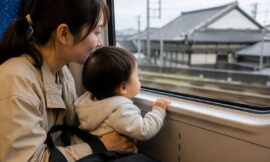
Visiting Japan is an unforgettable experience, but to truly enjoy the culture and avoid misunderstandings, it’s important to understand Japanese etiquette. Japan is a country deeply rooted in respect, harmony, and tradition, and even small gestures can make a big difference. For first-time travelers, following local customs will not only make your trip smoother but also earn the respect of the locals. Here are the top 10 Japanese etiquette tips every tourist should know before setting foot in the Land of the Rising Sun.
1. Bowing: A Gesture of Respect
In Japan, bowing is the standard form of greeting and showing respect. While handshakes are not unheard of, especially in business settings, bowing remains the traditional and polite gesture. There are different types of bows for different situations: a slight nod of the head for casual greetings, a deeper bow for formal occasions, and even a very deep bow for expressing profound apologies or gratitude. Tourists don’t need to memorize the nuances, but attempting a small bow when meeting someone or saying thank you is a sign of respect that locals appreciate.
2. Shoes Off Indoors
One of the first etiquette rules you’ll notice is the Japanese habit of removing shoes indoors. This includes homes, traditional inns (ryokan), temples, and sometimes even certain restaurants. Often, you’ll find a designated area called a “genkan” where you take off your shoes and wear indoor slippers provided. Failing to remove your shoes can be seen as disrespectful, so always check for cues. For tourists, carrying clean socks and ensuring your shoes are easy to slip on and off will make this practice much easier to follow.
3. Proper Use of Chopsticks
Chopsticks are more than just utensils in Japan; they are tied to specific etiquette. Avoid sticking chopsticks upright in a bowl of rice, as this resembles a ritual performed at funerals. Also, never pass food from chopstick to chopstick, as this is reminiscent of a cremation tradition. When not using them, place chopsticks on the provided rest or across your bowl. Mastering these small gestures will show respect for Japanese dining culture and prevent embarrassing faux pas.
4. Quiet in Public Spaces
Japan is famous for its quiet and orderly public spaces. On trains, buses, and in restaurants, loud conversations, phone calls, and disruptive behavior are frowned upon. Many locals even set their phones to silent mode, and public transport often has designated “quiet cars” for commuters. As a tourist, speaking softly, avoiding phone calls in crowded areas, and keeping personal space in mind will help you blend in and enjoy the local environment without drawing negative attention.
5. Queueing is Sacred
Japanese people are meticulous about lining up, whether at train stations, bus stops, or even at convenience stores. Cutting in line is considered extremely rude. Tourists should always respect queueing rules, wait their turn, and observe local practices. For example, at train platforms, people often line up according to markers on the ground, and boarding is orderly. Following this simple etiquette not only shows respect but also helps you avoid awkward situations during busy travel times.
6. Handling Money with Care
Cash is still king in Japan, and how you handle money reflects your manners. When paying at shops, restaurants, or markets, avoid handing cash directly to the cashier with one hand. Instead, use both hands or place the money in the small tray provided at the counter. Similarly, when receiving change, accept it with both hands. This simple act of politeness demonstrates awareness of local customs and is a small way to show gratitude to service staff.
7. Tipping is Not Expected
Unlike many Western countries, tipping is not customary in Japan and can even cause confusion. Excellent service is considered the standard, and staff take pride in their work without expecting additional rewards. Leaving a tip might be politely refused or misunderstood. Instead of tipping, tourists should show appreciation verbally with phrases like “arigatou gozaimasu” (thank you very much). Understanding this cultural difference will prevent awkward situations and make interactions with locals smoother.
8. Respect for Temples and Shrines
Japan’s temples and shrines are sacred spaces, and visitors are expected to observe certain etiquette. Before entering, cleanse your hands and mouth at the purification fountain, and never touch sacred objects or step over barriers. While photography is usually allowed outside, always check for signs, as some areas prohibit it. Dress modestly, speak quietly, and follow the customs of the site to show reverence. Tourists who respect these traditions will gain a deeper appreciation of Japan’s spiritual heritage.
9. Mindful Eating in Public
Eating while walking in Japan is generally discouraged, except at certain festivals or casual street food stalls. Meals are meant to be enjoyed at a table or designated area, reflecting the culture’s focus on mindfulness and respect for food. Burping loudly, making noise while eating, or leaving food uneaten can be considered impolite. By sitting down to eat and finishing your meal neatly, tourists can demonstrate good manners and gain a more authentic dining experience.
10. Politeness in Communication
Japanese communication places a high value on politeness, humility, and indirectness. Tourists should avoid confrontational language, loud arguments, or demanding behavior. Simple gestures like bowing, using polite phrases, and saying “sumimasen” (excuse me) when asking for help can go a long way. Listening carefully and respecting personal space also aligns with cultural expectations. By adopting a polite and considerate approach, visitors can foster positive interactions and enjoy a warmer reception from locals.
Conclusion
Traveling to Japan is a unique opportunity to experience a culture that values respect, harmony, and subtle social cues. By observing these 10 etiquette tips: bowing, removing shoes, using chopsticks correctly, maintaining quiet, queueing, handling money carefully, not tipping, respecting temples, eating mindfully, and communicating politely, tourists can ensure a smooth and respectful journey. Japanese people notice even small gestures of cultural awareness, and making the effort to follow local customs will enrich your travel experience. Embrace these practices, stay observant, and enjoy the beauty, history, and hospitality Japan has to offer.