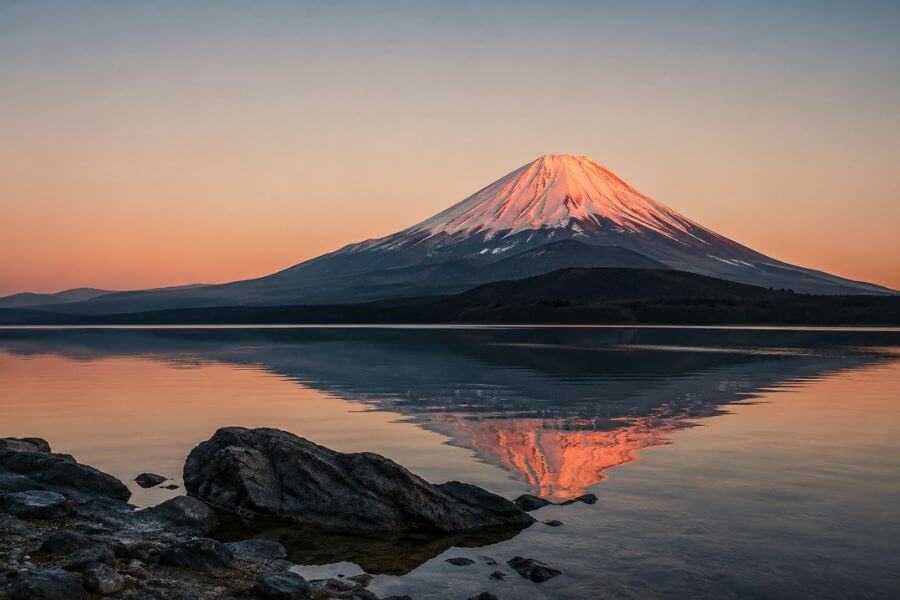
Mount Fuji is one of the most famous landmarks in Japan, but many of the best-known viewing spots can become extremely crowded, especially during cherry blossom season, autumn foliage season, and weekends. If you want to enjoy Japan’s iconic mountain without fighting for space among hundreds of tourists, there are still plenty of quieter places where you can experience its beauty.
The best Mount Fuji views are not always found at the most popular locations. Sometimes a peaceful lakeside path, a hidden hilltop, or a quiet coastal town offers a more memorable experience than a packed tourist attraction.
In this guide, you’ll discover 10 of the best places to see Mount Fuji without the crowds. These locations offer stunning views, peaceful surroundings, and a chance to enjoy one of Japan’s greatest natural treasures at your own pace.
Quick Summary Table 🗻
| Rank | Location | Best Feature | Best Season | Crowd Level |
|---|---|---|---|---|
| 1 | Lake Tanuki | Fuji reflection views | Spring and autumn | Very low |
| 2 | Lake Motosu | Famous thousand-yen bill view | Year-round | Low |
| 3 | Miho no Matsubara | Fuji by the sea | Winter | Moderate |
| 4 | Asagiri Highlands | Wide open landscapes | Spring and summer | Low |
| 5 | Lake Shoji | Quietest Fuji lake | Autumn | Very low |
| 6 | Fujimi Kogen | Mountain scenery | Summer and autumn | Low |
| 7 | Oishi Park Early Morning | Famous view with fewer people | Summer | Moderate |
| 8 | Iwamoto Mountain Park | Flowers and Fuji together | Spring | Low |
| 9 | Numazu Coast | Coastal Fuji views | Winter | Low |
| 10 | Yamanakako Panorama Deck | Elevated mountain views | Autumn and winter | Low |
How We Ranked These Places 🧭
We evaluated each destination using the following factors:
- Quality of Mount Fuji views
- Overall crowd levels throughout the year
- Ease of access for travelers
- Photography opportunities
- Seasonal beauty
- Unique scenery and atmosphere
- Value for visitors seeking peaceful experiences
- Availability of walking paths and outdoor spaces
- Sunrise and sunset viewing potential
- Overall visitor satisfaction
1. Lake Tanuki – The Ultimate Hidden Reflection Spot 🌅
Lake Tanuki is often considered one of the best hidden places to view Mount Fuji. Located northwest of the mountain, this peaceful lake offers stunning reflections on calm mornings.
Unlike more famous lakes in the Fuji Five Lakes region, Lake Tanuki remains relatively quiet even during peak travel seasons. The walking path around the lake provides multiple viewing angles, allowing you to enjoy Fuji from different perspectives.
During spring, cherry blossoms add extra beauty to the landscape. In autumn, colorful leaves frame the mountain perfectly. Early morning visitors are often rewarded with mirror-like reflections that create unforgettable photographs.
If your goal is tranquility, Lake Tanuki may be the best overall choice.
2. Lake Motosu – The View from Japan’s Thousand-Yen Bill 💴
Lake Motosu is famous for inspiring the image featured on Japan’s thousand-yen note. Despite this connection, it remains far less crowded than many other Fuji viewpoints.
The lake’s deep blue water creates a beautiful contrast against the snow-capped mountain. Because the shoreline is less developed than nearby tourist areas, the scenery feels more natural and untouched.
Photographers especially love sunrise here, when the first light illuminates Fuji’s peak while the lake remains calm and peaceful.
The quiet atmosphere makes it easy to spend hours simply enjoying the view.
3. Miho no Matsubara – Fuji Meets the Ocean 🌊
Many travelers imagine Mount Fuji rising above lakes or forests, but seeing it beyond a pine-lined coastline offers a completely different experience.
Miho no Matsubara features thousands of pine trees stretching along the shore, creating one of Japan’s most iconic landscapes. The combination of sea, beach, pine forest, and Mount Fuji feels unique compared to inland viewing spots.
Winter often provides the clearest visibility because cooler air reduces haze.
While some visitors come here during peak periods, the long coastline allows you to find quieter areas away from the busiest sections.
4. Asagiri Highlands – Endless Open Views 🐄
The Asagiri Highlands offer some of the widest and most dramatic views of Mount Fuji anywhere in Japan.
Large open fields, rolling grasslands, and rural scenery make this area feel very different from the crowded tourist centers around the mountain. The landscape creates a sense of scale that photographs rarely capture fully.
Many visitors stop briefly while driving through the area, but relatively few spend significant time exploring.
The peaceful countryside atmosphere makes this location ideal if you want to slow down and appreciate the mountain’s size and beauty.
5. Lake Shoji – The Quietest Fuji Lake 🛶
Among the Fuji Five Lakes, Lake Shoji often receives the fewest visitors.
This smaller lake provides excellent mountain views without the commercial development found around some neighboring lakes. The peaceful shoreline is perfect for travelers seeking relaxation.
The mountain appears especially dramatic from certain viewpoints because of the way nearby hills frame the landscape.
Autumn is particularly beautiful when colorful foliage surrounds the lake and reflects on the water.
For travelers who value solitude, Lake Shoji is one of the region’s best-kept secrets.
6. Fujimi Kogen – Elevated Mountain Beauty 🚡
Located farther from the usual Fuji tourist circuit, Fujimi Kogen offers spectacular panoramic scenery.
The elevated location provides a fresh perspective on Mount Fuji, especially during clear weather. Visitors can enjoy hiking trails, outdoor recreation, and expansive mountain views.
Because most international tourists never make it here, the atmosphere remains calm even during busy travel seasons.
Summer greenery and autumn colors make this area particularly rewarding for nature lovers.
7. Oishi Park at Sunrise – Beat the Crowds 🌻
Oishi Park is not exactly a secret, but timing can transform the experience completely.
Most tour groups arrive later in the day. If you visit shortly after sunrise, you’ll often find far fewer people while enjoying one of the most famous Fuji views.
Seasonal flower displays add color to the foreground, creating beautiful photography opportunities. Lavender season is especially popular.
Early mornings provide softer light, cooler temperatures, and a much more peaceful environment than afternoon visits.
8. Iwamoto Mountain Park – Flowers and Fuji Together 🌸
Iwamoto Mountain Park offers one of the most attractive combinations of seasonal flowers and Mount Fuji views.
Spring brings plum blossoms and cherry blossoms that create colorful foregrounds for photographs. The elevated position provides a broad view across the surrounding landscape.
Even during flower season, the park generally feels less crowded than Japan’s most famous blossom destinations.
Families, photographers, and nature lovers will all find plenty to enjoy here.
9. Numazu Coast – A Different Side of Fuji ⚓
The coastal city of Numazu provides an entirely different perspective on Japan’s iconic mountain.
From various points along the shoreline, you can see Mount Fuji rising above the sea. The combination of fishing harbors, coastal scenery, and mountain views creates a distinctive atmosphere.
Winter is usually the best season because visibility tends to be clearer.
Since most tourists focus on lake viewpoints, the Numazu coast often remains pleasantly uncrowded.
It’s an excellent option if you want something beyond the traditional Fuji experience.
10. Yamanakako Panorama Deck – A View from Above 🎈
The Yamanakako Panorama Deck rewards visitors with sweeping views of Mount Fuji and the surrounding countryside.
The elevated vantage point allows you to appreciate both the mountain itself and the broader landscape around it. Sunrise and sunset are particularly impressive.
Although nearby Lake Yamanaka attracts visitors, many people never make the short trip to this viewpoint.
As a result, you can often enjoy a peaceful experience while taking in one of the area’s finest panoramic views.
Conclusion ✨
Mount Fuji is beautiful from almost anywhere, but finding the right location can completely change your experience. Instead of joining large crowds at the most famous viewpoints, you can discover quieter places that offer equally impressive scenery and a more relaxing atmosphere.
Whether you prefer peaceful lakes, open highlands, coastal landscapes, or elevated lookouts, these destinations allow you to enjoy Mount Fuji at a slower pace. By choosing less crowded locations and visiting during early mornings or off-peak seasons, you’ll often find that the most memorable Fuji experiences happen far from the busiest tourist hotspots.
Frequently Asked Questions ❓
What is the best time of year to see Mount Fuji clearly?
Winter usually offers the clearest views because cooler temperatures reduce haze and humidity. December through February often provides excellent visibility.
How many days should I spend around Mount Fuji?
One to three days is ideal. This gives you enough time to explore several viewpoints while increasing your chances of seeing the mountain during clear weather.
Why can’t I always see Mount Fuji even when I’m nearby?
Cloud cover, humidity, and seasonal haze can hide the mountain completely. Visibility changes throughout the day, with mornings generally offering the best conditions.
Are the quieter viewing spots accessible by public transportation?
Many are reachable by train and bus, although some locations are easier to access with a rental car. Researching transportation options ahead of time can help you maximize your visit.
Which location is best for photography enthusiasts?
Lake Tanuki, Lake Motosu, and Oishi Park during sunrise are among the best choices for photographers because they offer reflections, beautiful foregrounds, and excellent lighting conditions.