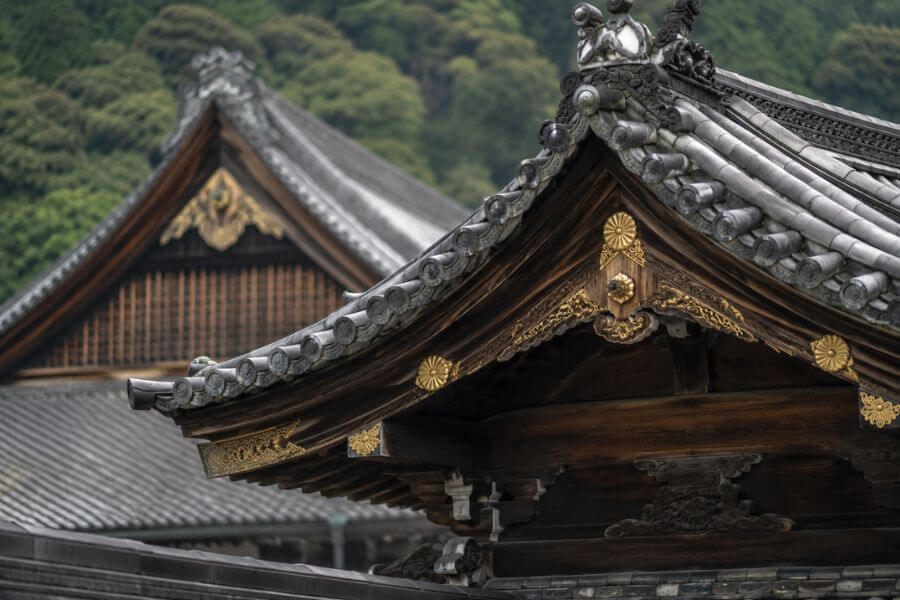
When people think about Kyoto’s temples, the first place that usually comes to mind is Kinkaku-ji, also known as the Golden Pavilion. While it is undoubtedly beautiful, Kyoto is home to hundreds of temples that offer equally stunning views, fascinating history, and unforgettable experiences.
If you want to explore Kyoto beyond the most famous postcard image, you are in for a treat. From mountain temples surrounded by forests to ancient halls overlooking the city, these destinations showcase a different side of Japan’s cultural capital. Many of them also provide a more peaceful atmosphere, allowing you to appreciate the beauty without feeling rushed by large crowds.
In this guide, you’ll discover ten breathtaking Kyoto temples that deserve a place on your travel itinerary.
Quick Summary Table 🗾
| Rank | Temple | Best Known For | Best Season |
|---|---|---|---|
| 1 | Kiyomizu-dera | Panoramic city views | Spring & Fall |
| 2 | Nanzen-ji | Massive temple grounds and aqueduct | Fall |
| 3 | Daigo-ji | Historic gardens and cherry blossoms | Spring |
| 4 | Sanzen-in | Moss gardens and tranquility | Summer & Fall |
| 5 | Tofuku-ji | Spectacular autumn colors | Fall |
| 6 | Ryoan-ji | Famous Zen rock garden | Year-round |
| 7 | Eikando Zenrin-ji | Stunning maple leaves | Fall |
| 8 | Kurama-dera | Mountain scenery and hiking trails | Spring & Fall |
| 9 | Kennin-ji | Traditional Zen atmosphere | Year-round |
| 10 | Gio-ji | Enchanting moss-covered landscape | Summer |
How We Ranked These Temples 🏮
We selected these temples based on several important factors:
- Natural beauty throughout the year
- Unique architecture and design
- Historical and cultural significance
- Visitor experience and atmosphere
- Photography opportunities
- Seasonal scenery such as cherry blossoms and autumn leaves
- Accessibility for travelers
- Ability to offer something different from Kinkaku-ji
1. Kiyomizu-dera – Kyoto’s Most Iconic Viewpoint 🌄
Kiyomizu-dera is one of Kyoto’s most famous temples, but it often gets overshadowed internationally by Kinkaku-ji. Sitting on a hillside in eastern Kyoto, the temple offers breathtaking views across the city.
The massive wooden stage extending from the main hall is the highlight. Standing here, you can see Kyoto stretching toward the horizon while surrounded by seasonal colors. During cherry blossom season, the scenery feels magical. In autumn, fiery red and orange leaves create a spectacular backdrop.
The approach to the temple is equally memorable. Traditional streets lined with shops, tea houses, and historic buildings make the journey part of the experience.
If you only have time for one temple beyond Kinkaku-ji, this should be near the top of your list.
2. Nanzen-ji – A Hidden Giant of Kyoto 🏯
Nanzen-ji is often considered one of Kyoto’s most impressive temple complexes, yet many first-time visitors overlook it.
The grounds are enormous and filled with beautiful gardens, peaceful walking paths, and historic structures. One of the most surprising features is the massive brick aqueduct that runs through the property. The combination of traditional Japanese architecture and Western engineering creates a unique visual contrast.
Because the complex is so large, it rarely feels overcrowded. You can spend hours exploring smaller sub-temples, quiet courtyards, and scenic gardens.
The autumn foliage here is among the best in Kyoto.
3. Daigo-ji – A Temple of Royal Beauty 👑
Daigo-ji is a UNESCO World Heritage Site with a history spanning more than a thousand years.
The temple complex covers a vast area that includes pagodas, gardens, and mountain trails. Its five-story pagoda is the oldest surviving structure in Kyoto and remains one of the city’s architectural treasures.
Spring is particularly special. Thousands of cherry trees bloom across the grounds, creating a breathtaking sea of pink blossoms. The temple was so admired for its cherry blossoms that powerful historical leaders once held famous flower-viewing celebrations here.
The combination of history, nature, and architecture makes Daigo-ji unforgettable.
4. Sanzen-in – A Peaceful Escape in the Mountains 🌿
Located in the village of Ohara, north of central Kyoto, Sanzen-in feels like a completely different world.
Instead of busy streets and tourist crowds, you will find quiet mountain scenery and beautifully maintained moss gardens. Small stone statues hidden among the greenery add a charming touch to the landscape.
The temple buildings blend perfectly with the natural surroundings. During rainy days, the gardens become especially beautiful as the moss glows with vibrant shades of green.
Sanzen-in is ideal if you want a slower and more relaxing Kyoto experience.
5. Tofuku-ji – The King of Autumn Colors 🍁
Few places in Japan can match Tofuku-ji during autumn.
The temple is famous for its Tsutenkyo Bridge, which overlooks a valley filled with maple trees. When the leaves change color, the entire landscape transforms into a sea of red, orange, and gold.
Even outside autumn, the temple remains impressive. Its Zen gardens feature modern geometric designs that differ from traditional temple landscaping.
Photography enthusiasts will find countless opportunities throughout the grounds.
6. Ryoan-ji – Simplicity at Its Finest 🪨
Ryoan-ji is home to Japan’s most famous Zen rock garden.
At first glance, the garden appears simple. Fifteen carefully arranged stones sit within a bed of white gravel. Yet this minimalist design has inspired visitors, artists, and philosophers for centuries.
The temple encourages quiet reflection rather than sightseeing. Many travelers find themselves spending much longer here than expected.
Beyond the rock garden, the temple grounds include a beautiful pond surrounded by trees and walking paths.
It is proof that breathtaking beauty does not always require grand architecture.
7. Eikando Zenrin-ji – Kyoto’s Autumn Masterpiece 🎨
If Kyoto held a competition for the best autumn scenery, Eikando would be a strong contender.
The temple is famous for its incredible maple trees, which create vibrant displays every fall. Pathways wind through gardens, ponds, and historic buildings, offering new views around every corner.
One of the highlights is climbing to the pagoda overlook. From there, you can enjoy sweeping views of Kyoto framed by colorful foliage.
The evening illuminations during autumn are especially memorable and create a dreamlike atmosphere.
8. Kurama-dera – A Temple Above the Forest ⛰️
Kurama-dera sits high in the mountains north of Kyoto and offers a completely different temple experience.
Getting there involves a scenic journey through forest trails, making the temple feel like a hidden sanctuary. Along the way, you will pass towering cedar trees and peaceful viewpoints.
The temple itself overlooks the surrounding mountains, providing stunning panoramic scenery.
Many visitors combine a trip to Kurama-dera with a hike to nearby villages, creating one of Kyoto’s most rewarding day trips.
9. Kennin-ji – Where Zen Comes Alive 🧘
Located near Kyoto’s historic Gion district, Kennin-ji is the city’s oldest Zen temple.
Despite its central location, the atmosphere remains calm and reflective. Beautiful Zen gardens, traditional architecture, and impressive artwork fill the grounds.
The temple’s famous ceiling painting featuring twin dragons is particularly striking. Looking up at the detailed artwork creates a powerful impression.
Kennin-ji offers an excellent introduction to Japanese Zen culture while remaining accessible to first-time visitors.
10. Gio-ji – A Small Temple with Enormous Charm 🌳
Gio-ji may be one of the smallest temples on this list, but it leaves one of the strongest impressions.
The temple is surrounded by a lush moss garden that feels almost magical. Sunlight filtering through trees creates constantly changing patterns across the green landscape.
Unlike larger temples, Gio-ji offers an intimate experience. Visitors can quietly appreciate the beauty without feeling overwhelmed by crowds or large grounds.
It is particularly beautiful during early summer when the moss is at its most vibrant.
For travelers seeking hidden gems, Gio-ji is hard to beat.
Conclusion ✨
Kyoto’s beauty extends far beyond Kinkaku-ji. While the Golden Pavilion deserves its reputation, the city is filled with remarkable temples that offer unique scenery, deeper cultural experiences, and often a more peaceful atmosphere.
Whether you are standing on the famous stage of Kiyomizu-dera, admiring the autumn leaves at Tofuku-ji, hiking through the mountains to Kurama-dera, or exploring the moss-covered grounds of Gio-ji, each temple reveals a different side of Kyoto’s timeless charm.
If you want a richer and more memorable Kyoto journey, make room in your itinerary for these breathtaking alternatives. You may discover that your favorite temple is not Kinkaku-ji after all.
Frequently Asked Questions ❓
Which temple on this list is best for first-time visitors?
Kiyomizu-dera is usually the best choice for first-time visitors because it combines historic architecture, city views, cultural significance, and easy access from central Kyoto.
Which temple is the least crowded?
Sanzen-in and Gio-ji generally attract fewer visitors than Kyoto’s major landmarks. Their quieter locations help create a more peaceful experience.
What is the best season to visit these temples?
Spring for cherry blossoms and fall for colorful foliage are the most popular seasons. However, many temples, such as Ryoan-ji and Kennin-ji, are beautiful throughout the year.
Are these temples family-friendly?
Yes. Most temples have accessible walking paths, beautiful gardens, and open spaces that families can enjoy together. Some mountain temples may require more walking.
How many temples can you realistically visit in one day?
Most travelers can comfortably visit two to four temples in a day, depending on travel time, crowd levels, and how much time they spend exploring each location.