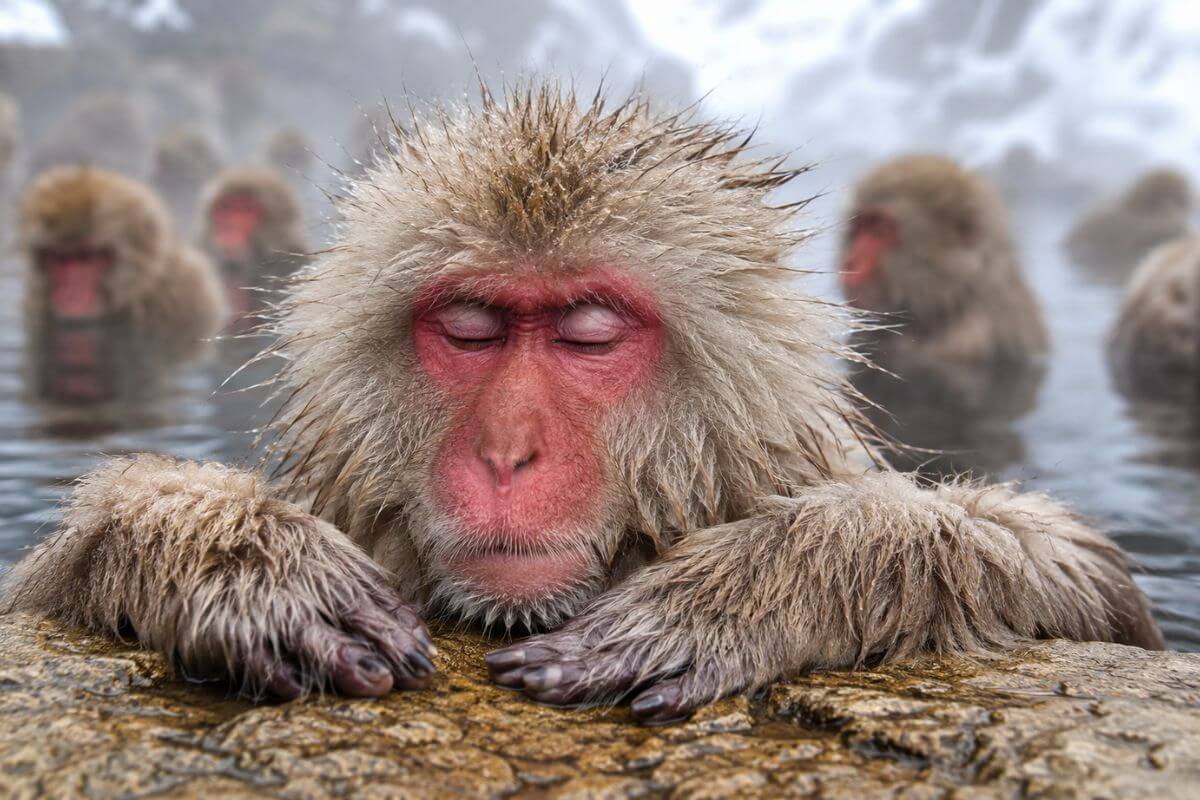
When you think about animal experiences in Japan, cat cafes are usually the first thing that comes to mind. But Japan offers far more exciting, natural, and memorable wildlife encounters than sipping coffee beside sleepy cats. Across the country, you can watch wild monkeys soak in hot springs, feed friendly deer that bow to you, meet giant whale sharks, and even walk among free-roaming rabbits on a tiny island.
These experiences give you a closer look at Japan’s deep connection with nature and animals. Some are peaceful and relaxing, while others feel adventurous and unforgettable. Whether you love wildlife photography, family-friendly activities, or unique travel moments, Japan has something special waiting for you.
In this guide, you’ll discover the top animal encounters in Japan beyond cat cafes, including where to go, what to expect, and why each experience stands out.
Quick Summary Table 🐧
| Rank | Animal Encounter | Location | Best For | Experience Type |
|---|---|---|---|---|
| 1 | Snow Monkeys in Hot Springs | Nagano | Winter travelers | Wildlife viewing |
| 2 | Deer Feeding in Nara Park | Nara | Families | Interactive encounter |
| 3 | Rabbit Island | Hiroshima Prefecture | Cute experiences | Free roaming animals |
| 4 | Whale Watching in Okinawa | Okinawa | Ocean lovers | Marine wildlife |
| 5 | Fox Village | Miyagi | Animal photography | Wildlife park |
| 6 | Dolphin Encounters | Kagoshima | Families and couples | Ocean activity |
| 7 | Penguin Walks at Asahiyama Zoo | Hokkaido | Winter travelers | Zoo experience |
| 8 | Red Crowned Cranes | Hokkaido | Nature photographers | Bird watching |
| 9 | Whale Sharks at Okinawa Churaumi Aquarium | Okinawa | Aquarium fans | Marine exhibit |
| 10 | Horse Trekking in Hokkaido | Hokkaido | Outdoor adventure | Nature activity |
How We Ranked These Experiences 🦉
We used several important factors to choose the best animal encounters in Japan:
- Animal welfare and ethical treatment
- Overall uniqueness of the experience
- Accessibility for international travelers
- Family friendliness
- Scenic beauty and atmosphere
- Cultural importance in Japan
- Seasonal appeal throughout the year
- Opportunities for photography and learning
- Safety and visitor comfort
- Authenticity compared to tourist traps
1. Snow Monkeys at Jigokudani Monkey Park 🐒
Few animal experiences in the world are as famous as watching Japanese macaques relax in steaming hot springs surrounded by snow. Located in Nagano Prefecture, Jigokudani Monkey Park feels almost magical during winter.
You’ll walk through a peaceful forest trail before reaching the hot spring area where the monkeys gather. The monkeys are completely wild, which makes the experience feel genuine and natural. Watching them bathe, groom each other, and play in the snow is surprisingly calming.
Winter is the best season to visit because the snowy scenery creates postcard-worthy views. Early mornings are usually less crowded and offer better photography opportunities.
This encounter stands out because it combines wildlife, nature, and Japanese winter culture all in one place. Unlike many animal attractions around the world, the monkeys are not forced to perform or interact unnaturally with visitors.
2. Feeding Deer at Nara Park 🦌
Nara Park is one of Japan’s most iconic animal destinations. More than a thousand free-roaming deer wander through the park, temple grounds, and nearby streets.
The deer are considered sacred messengers in Japanese tradition, and many of them have learned to bow politely when asking for food. You can buy special deer crackers and feed them by hand, creating one of the most memorable travel experiences in Japan.
The setting makes the encounter even more special. Ancient temples, wide open gardens, and traditional architecture surround the area, giving you a blend of culture and nature at the same time.
The deer can sometimes become pushy around food, so it’s smart to stay calm and avoid teasing them. Even so, the experience is fun for travelers of all ages and feels uniquely Japanese.
3. Rabbit Island on Okunoshima 🐇
Imagine stepping onto an island where hundreds of rabbits run freely around visitors. That is exactly what you’ll find on Okunoshima, often called Rabbit Island.
Located in Hiroshima Prefecture, this small island became famous because of its large rabbit population. The rabbits approach visitors quickly, especially if you bring rabbit food sold near the ferry terminal.
Beyond the adorable animals, the island has an interesting history connected to World War II. Today, it feels peaceful and quiet, making it perfect for a slow travel experience.
You can spend the day walking coastal trails, relaxing by the sea, and taking photos with curious rabbits hopping around you. Staying overnight gives you an even calmer experience once most day tourists leave.
This destination feels playful, relaxing, and very different from typical city attractions.
4. Whale Watching in Okinawa 🐋
Okinawa offers some of the best whale watching opportunities in Japan. Between January and March, humpback whales migrate through the warm waters around the islands.
Seeing these massive animals leap from the ocean is unforgettable. Many tours provide knowledgeable guides who explain whale behavior and migration patterns, making the experience educational as well as exciting.
The waters around Okinawa are beautiful on their own, with clear blue seas and tropical scenery creating an incredible backdrop.
Because sightings are common during peak season, this activity has become popular with families, couples, and photographers. If you are lucky, you may even hear whale songs through underwater microphones provided on some tours.
This is one of the best ways to experience Japan’s marine wildlife responsibly and naturally.
5. Zao Fox Village 🦊
Hidden in the mountains of Miyagi Prefecture, Zao Fox Village is home to dozens of free-roaming foxes. The moment you enter, you’ll see foxes wandering around snowy paths, resting under trees, and interacting with each other.
The village includes several fox species, and the animals are surprisingly active during colder months. Winter visits are especially beautiful because the snowy landscape makes the foxes look even more striking.
While the foxes are used to people, visitors should still respect boundaries and follow staff instructions carefully. This is not a petting zoo, and part of the appeal comes from observing the animals naturally.
The experience feels both mysterious and charming, especially because foxes hold special meaning in Japanese folklore as spiritual messengers connected to Inari shrines.
For photographers, this is one of the most visually unique animal encounters in Japan.
6. Dolphin Encounters in Kagoshima 🐬
Kagoshima offers excellent opportunities to spot wild dolphins swimming near the coast. Boat tours often take visitors into calm waters where dolphins travel in groups.
Unlike aquarium shows, these encounters focus on observing dolphins in their natural environment. Watching them swim alongside the boat feels exciting without seeming artificial.
Many tours are beginner-friendly and suitable for children. The surrounding scenery, including volcanic landscapes and quiet coastal towns, adds to the experience.
Spring and summer usually provide the best weather conditions, but dolphins can often be spotted throughout the year.
This activity combines relaxation, ocean views, and wildlife observation into one memorable adventure.
7. Penguin Walks at Asahiyama Zoo 🐧
Located in Hokkaido, Asahiyama Zoo is famous for its winter penguin walks. During snowy months, penguins waddle through designated walking paths while visitors stand nearby watching them pass.
The experience feels charming and surprisingly personal. Seeing penguins move naturally on snow gives you a better understanding of how they behave in cold environments.
The zoo itself is designed with creative viewing areas that allow visitors to see animals from unusual angles, including underwater tunnels and dome-shaped observation spaces.
Winter is absolutely the best season to visit. The snowy atmosphere adds warmth and excitement to the experience, especially for families traveling with children.
This attraction balances entertainment with education very well.
8. Red Crowned Crane Watching in Hokkaido 🦢
The red crowned crane is one of Japan’s most elegant and symbolic birds. These rare cranes are especially famous in eastern Hokkaido, where they gather in snowy wetlands during winter.
Watching them dance, spread their wings, and call to each other feels peaceful and almost cinematic. Wildlife photographers from around the world travel to Hokkaido just to capture these birds.
The best viewing spots include feeding stations and protected nature reserves where cranes can be observed safely without disturbing them.
This experience is quieter and slower than many other attractions on this list, but that calm atmosphere is exactly what makes it memorable.
If you enjoy nature photography or peaceful outdoor experiences, this encounter belongs high on your travel list.
9. Whale Sharks at Okinawa Churaumi Aquarium 🐠
The Okinawa Churaumi Aquarium houses one of the largest aquarium tanks in the world, featuring enormous whale sharks swimming gracefully through deep blue water.
Standing in front of the giant viewing panel feels almost hypnotic. The scale of the tank allows visitors to appreciate how massive and gentle these animals really are.
The aquarium also includes manta rays, coral reef displays, and educational exhibits about Okinawa’s marine ecosystem.
Although this is an aquarium rather than a wild encounter, it earns a place on this list because of the quality of the exhibits and the emotional impact of seeing whale sharks up close.
Families especially love this destination because it combines entertainment with learning.
10. Horse Trekking in Hokkaido 🐎
Hokkaido’s wide open countryside makes it one of the best places in Japan for horse trekking adventures. Riding through forests, rolling hills, and flower fields offers a slower and more peaceful way to connect with animals and nature.
Many ranches welcome beginners, so you do not need prior riding experience. Guides usually match horses carefully with each rider’s comfort level.
Different seasons create completely different experiences. Summer brings green landscapes and cool temperatures, while autumn adds colorful leaves and crisp air.
Horse trekking also allows you to see rural Japan beyond major cities and tourist hotspots. The combination of fresh air, scenic beauty, and gentle horses creates a relaxing escape from crowded urban travel.
It is one of the most underrated outdoor experiences in Japan.
Conclusion 🐾
Japan offers far more animal experiences than cat cafes alone. From snowy monkey hot springs to peaceful crane watching in Hokkaido, these encounters reveal a different side of the country that many travelers miss.
Some experiences are playful and cute, while others feel calming, educational, or even emotional. What makes them special is the way they connect nature, culture, and travel into unforgettable memories.
Whether you are visiting Japan for the first time or returning for a deeper adventure, adding one or two of these animal encounters to your itinerary can completely change your trip. You will leave with stories, photos, and experiences that go far beyond typical tourist attractions.
Frequently Asked Questions 🐢
Are these animal encounters ethical in Japan?
Many of the experiences on this list focus on observing animals in natural or spacious environments. Wildlife encounters like whale watching, crane viewing, and monkey parks are generally considered more ethical than attractions that force animals into performances. It is always smart to research current animal welfare standards before visiting.
What is the best season for animal encounters in Japan?
It depends on the experience you want. Winter is best for snow monkeys, penguin walks, and crane watching. Spring and summer work well for dolphin encounters and horse trekking. Whale watching in Okinawa is usually best between January and March.
Are these activities suitable for children?
Yes, most of them are family-friendly. Deer feeding in Nara, rabbit encounters on Okunoshima, and aquarium visits are especially popular with children. Parents should still supervise younger kids around free-roaming animals.
Do I need to book animal experiences in advance?
Popular activities like whale watching tours and horse trekking can sell out during peak travel seasons, especially holidays and weekends. Booking early is recommended if you are visiting during busy periods.
Which animal encounter is best for photography?
Snow monkeys in Nagano and red-crowned cranes in Hokkaido are favorites among photographers. Fox Village also offers excellent opportunities for dramatic winter photos. Early mornings usually provide the best lighting and smaller crowds.