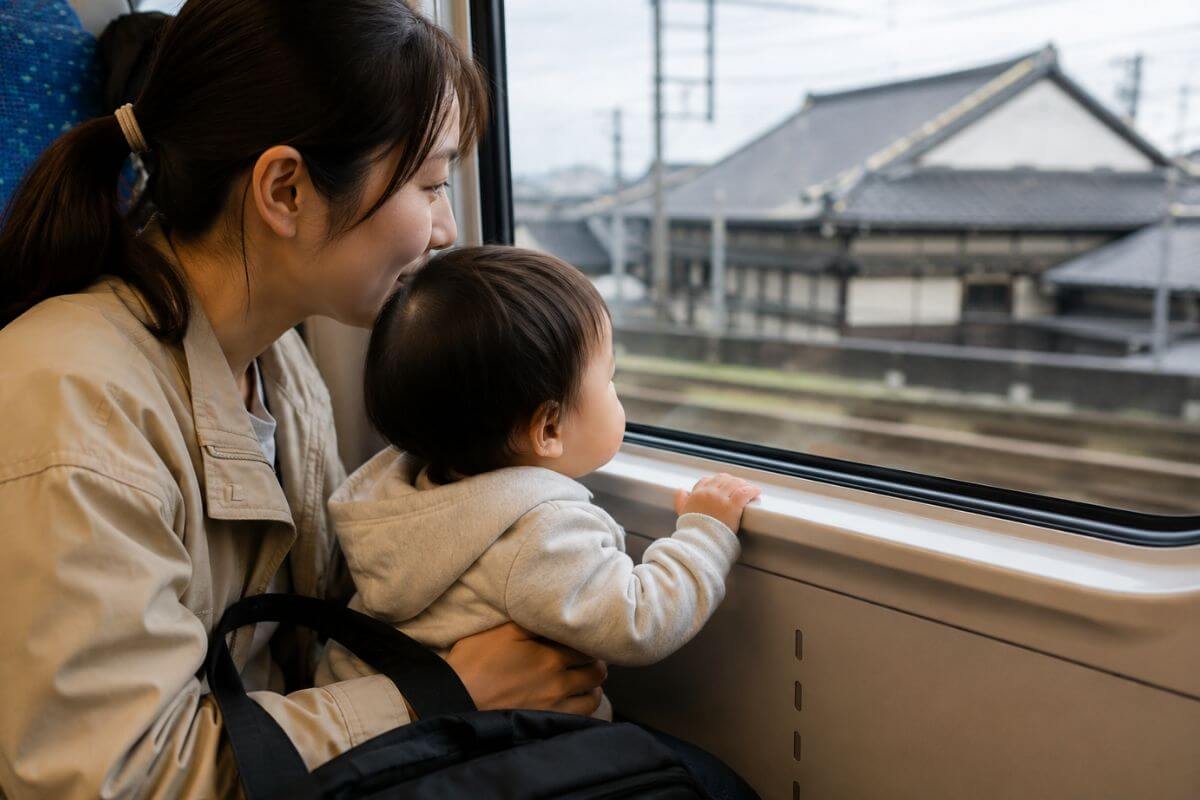
Traveling through Japan with a toddler can feel exciting, overwhelming, and unforgettable all at the same time. The good news is that Japan is one of the most family-friendly countries you can visit. Streets are clean, public transportation is reliable, and many places welcome young children warmly. Still, traveling with a toddler comes with its own challenges, especially when you are dealing with naps, picky eating, strollers, and sudden meltdowns.
The key to a smoother trip is knowing a few smart travel tricks before you go. From choosing the right hotels to understanding Japan’s public transportation system, small choices can make a huge difference in how relaxed your family feels during the trip.
This guide covers the best Japan travel tips specifically for parents with toddlers so you can spend less time stressing and more time enjoying your family adventure.
Quick Summary Table 🧳
| Tip | Why It Helps |
|---|---|
| Stay Near Train Stations | Reduces walking and toddler exhaustion |
| Use Luggage Forwarding | Makes train travel easier with kids |
| Pack a Lightweight Stroller | Easier for trains and narrow sidewalks |
| Plan Around Nap Time | Helps avoid tantrums and overtired kids |
| Book Family-Friendly Hotels | Keeps toddlers entertained and happy |
| Learn Convenience Store Basics | Easy meals and emergency supplies |
| Use Department Store Baby Rooms | Clean spaces for diaper changes and feeding |
| Travel Slower | Gives toddlers time to adjust |
| Book Family Friendly Hotels | Improves sleep and comfort |
| Prepare for Weather Changes | Keeps toddlers healthy and comfortable |
How We Ranked These Tips 🧠
We ranked these Japan travel tips based on factors that matter most to parents traveling with toddlers:
- Ease of travel with young children
- Stress reduction for parents
- Comfort and safety for toddlers
- Budget friendliness
- Practicality in real travel situations
- Time-saving benefits
- Accessibility for non-Japanese speakers
- Overall impact on family enjoyment
1. Stay Near Major Train Stations 🚆
One of the smartest decisions you can make in Japan is booking accommodations close to a train station. Even a ten-minute walk can feel exhausting when you are carrying bags, pushing a stroller, and managing a tired toddler.
Areas near stations like Tokyo Station or Shinjuku Station make getting around much easier. You can quickly return to your hotel for naps, diaper changes, or breaks without long walks.
This also helps during rainy weather. Japan gets humid and rainy in certain seasons, and toddlers often struggle with heat and wet clothes. Being close to transportation gives you flexibility throughout the day.
When searching for hotels, focus more on convenience than room size. A slightly smaller room near transportation is often far better than a large hotel far away from everything.
2. Use Japan’s Luggage Forwarding Services 📦
Dragging large suitcases through crowded stations while handling a toddler can become a nightmare quickly. Japan’s luggage forwarding service, often called takuhaibin, is a lifesaver for families.
You can send your bags directly from one hotel to another and travel with only a small backpack for essentials. This makes train rides smoother and helps you move quickly through busy stations.
Parents often underestimate how many elevators are missing in older stations. Even when elevators exist, finding them can take time. Traveling lighter reduces stress immediately.
Keep diapers, wipes, snacks, extra clothes, and favorite toys in your day bag while your main luggage travels separately.
3. Bring a Lightweight Travel Stroller 🛺
Not every stroller works well in Japan. Large strollers can become difficult on narrow sidewalks, crowded trains, and tiny restaurant entrances.
A lightweight folding stroller is usually the best choice. You will often need to quickly fold it when boarding buses or entering elevators. Compact strollers also fit better in smaller hotel rooms.
Japan is generally stroller-friendly, but some train stations have long staircases or crowded transfer areas. A lightweight stroller helps you stay flexible without exhausting yourself.
If your toddler still likes being carried sometimes, consider bringing a baby carrier too. Many temples, shrines, and older streets are easier to explore with a carrier instead of wheels.
4. Plan Your Day Around Nap Time 😴
Trying to force a toddler through a full sightseeing schedule rarely ends well. Japan has endless attractions, but toddlers usually enjoy a slower pace.
Instead of packing your day with activities, build your plans around naps and meal times. Visit busy attractions early in the morning when crowds are smaller, and your child has more energy.
A midday hotel break can completely change your travel experience. Even if your toddler no longer naps regularly at home, traveling can make them tired faster because of all the stimulation.
Parents who try to do too much often end up dealing with meltdowns in crowded public spaces. Slower travel creates happier family memories.
5. Choose Attractions Toddlers Actually Enjoy 🎠
Not every famous tourist spot works well for small children. Long museum visits and crowded shopping districts can quickly become boring for toddlers.
Instead, mix famous locations with family-friendly places like parks, aquariums, and interactive museums. Spots like Ueno Zoo or Osaka Aquarium Kaiyukan are usually big hits with young kids.
Japan also has excellent indoor play spaces inside malls and department stores. These become especially useful during rainy days or hot summer afternoons.
Simple experiences often become toddler favorites. Riding bullet trains, feeding koi fish, or watching vending machines can feel magical to small children.
6. Learn the Magic of Japanese Convenience Stores 🍙
Japanese convenience stores can save parents countless times during a trip. Stores like 7-Eleven, FamilyMart, and Lawson are everywhere and incredibly useful.
You can find:
- Fresh snacks
- Rice balls
- Yogurt
- Drinks
- Diapers
- Baby wipes
- Emergency medicine
- Quick breakfast options
This becomes especially helpful when restaurants are crowded or your toddler suddenly refuses unfamiliar foods.
Many convenience stores also have microwaves and seating areas, making quick meals easier for families.
7. Use Department Store Baby Rooms 👶
Japan has some of the best baby care rooms in the world. Large department stores and shopping malls often include clean nursing rooms, diaper changing stations, toddler toilets, bottle warming stations, and quiet feeding areas.
Places like Ginza Mitsukoshi or major shopping complexes in cities such as Osaka and Fukuoka usually have excellent family facilities.
These rooms are especially useful when your toddler needs a quiet break from crowds. Parents often feel relieved discovering how clean and organized these spaces are compared to those in many countries.
Before leaving your hotel each day, identify nearby malls or department stores where you can take emergency toddler breaks if needed.
8. Slow Down Your Itinerary 🚶
Many travelers try to visit too many cities in one trip to Japan. With toddlers, slower travel works much better.
Instead of visiting five cities in ten days, consider staying longer in two or three places. Fewer hotel changes mean less packing, less stress, and better sleep routines for your child.
Toddlers enjoy familiarity. After a few days in the same area, they become more comfortable with routines and surroundings.
You will also notice more local experiences when you travel slowly. Neighborhood parks, small cafes, and quiet streets often become some of the best memories during family trips.
9. Book Family Friendly Hotels 🏨
Hotel choice matters more when traveling with toddlers. Tiny business hotels may save money, but they can feel stressful with children.
Look for hotels that offer:
- Larger rooms
- Laundry machines
- Kitchenettes
- Bathtubs
- Cribs
- Family rooms
- Breakfast options
Japanese-style rooms with tatami mats can work very well for families because toddlers can safely crawl and sleep closer to the floor.
Staying somewhere comfortable becomes important after long sightseeing days. A good hotel can help everyone sleep better and recover for the next day.
10. Prepare Carefully for Japan’s Weather ☀️
Japan’s weather changes dramatically depending on the season. Summers can become extremely hot and humid, while winters may feel colder than expected.
Toddlers can struggle more with temperature changes, so pack wisely:
- Light breathable clothes for summer
- Layers for spring and fall
- Rain covers for strollers
- Small towels for sweat
- Sunscreen and hats
- Warm pajamas during winter
Hydration is also important. Luckily, Japan has vending machines almost everywhere, making it easy to buy drinks quickly.
Weather preparation may sound simple, but it can greatly affect your toddler’s mood and energy during the trip.
Conclusion ✈️
Traveling through Japan with a toddler may seem intimidating at first, but it can become one of the most rewarding family experiences you’ve ever had. Japan is clean, organized, safe, and full of small conveniences that make traveling with young children easier than many parents expect.
The biggest secret is slowing down and focusing on comfort instead of trying to see everything. When you build your itinerary around your toddler’s needs, the entire family enjoys the journey more.
Simple changes like staying near train stations, packing lighter, and planning around naps can completely transform your trip. With the right preparation, Japan becomes an exciting playground for both parents and children.
Frequently Asked Questions ❓
Is Japan stroller-friendly for toddlers?
Yes, Japan is generally stroller-friendly, especially in large cities. Most modern train stations have elevators, and sidewalks are usually clean. However, some older stations and tourist areas may have stairs or narrow paths, so lightweight strollers work best.
What is the best age to take a toddler to Japan?
Many parents find that ages two to four work well because toddlers are curious, active, and excited by trains, animals, and colorful attractions. Every child is different, but Japan can be enjoyable for families with very young children, too.
Are Japanese restaurants kid-friendly?
Many restaurants welcome children, especially casual restaurants, ramen shops, and family chains. Some smaller restaurants may have limited space for strollers, so folding your stroller before entering is often helpful.
Can you easily find diapers and baby supplies in Japan?
Yes, diapers, wipes, baby snacks, and formula are widely available in pharmacies, supermarkets, and convenience stores. Major cities have excellent access to baby products.
Is public transportation safe for toddlers in Japan?
Japan’s public transportation is extremely safe and reliable. Trains are clean, punctual, and family-friendly. Avoid rush hour when possible because trains can become very crowded in large cities like Tokyo.