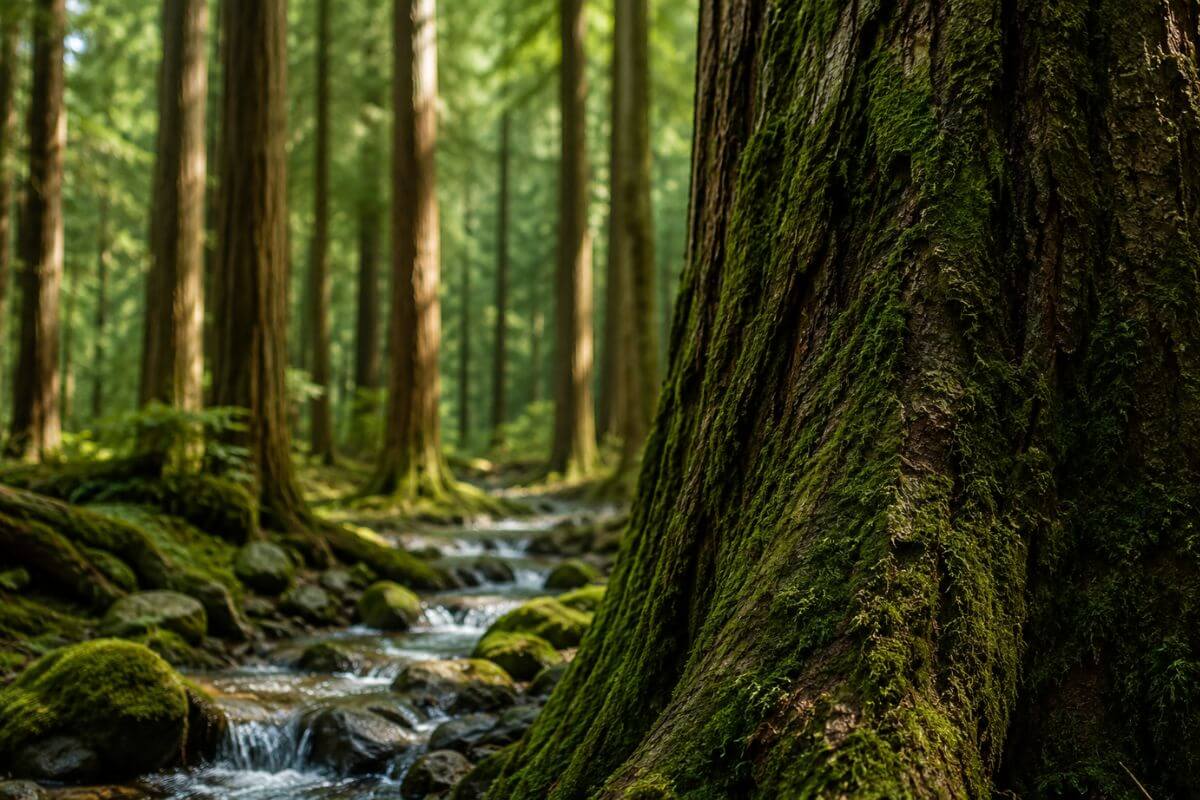
If you have ever walked through a quiet forest and felt calmer within minutes, you have already experienced part of what Japan calls Shinrin Yoku, or forest bathing. Unlike hiking for speed or exercise, forest bathing is about slowing down and using your senses to connect with nature. You listen to birds, notice the smell of cedar trees, feel cool air on your skin, and let your mind rest.
Japan has spent decades studying the health effects of forest environments. Researchers have found that time in forests may help reduce stress, lower blood pressure, improve mood, and support better sleep. Because of this, certain trails across Japan have become famous not just for beauty, but also for their peaceful atmosphere and wellness benefits.
In this guide, you will discover the top forest bathing trails in Japan that combine science, scenery, and deep relaxation. Some are hidden in ancient cedar forests, while others sit near volcanic mountains, waterfalls, or quiet lakes. Whether you want a short mindful walk or a full weekend retreat, these trails offer some of the best Shinrin Yoku experiences in the country.
Quick Summary Table 🍃
| Rank | Trail | Location | Best Feature | Difficulty | Best Season |
|---|---|---|---|---|---|
| 1 | Akasawa Forest Therapy Base | Nagano | Japan’s most famous forest therapy site | Easy | Spring to Fall |
| 2 | Yakusugi Land Trails | Yakushima | Ancient cedar forests | Moderate | Spring |
| 3 | Kumano Kodo Forest Sections | Wakayama | Spiritual forest pilgrimage | Moderate | Fall |
| 4 | Shirakami Sanchi Trails | Aomori & Akita | Primeval beech forests | Moderate | Summer to Fall |
| 5 | Okutama Therapy Road | Tokyo | Easy access from Tokyo | Easy | Spring |
| 6 | Nopporo Forest Park | Hokkaido | Quiet wildlife forest | Easy | Summer |
| 7 | Togakushi Forest Paths | Nagano | Cedar avenue and shrines | Easy to Moderate | Fall |
| 8 | Daisetsuzan Nature Trails | Hokkaido | Mountain forest air | Moderate | Summer |
| 9 | Hoshino Resorts Forest Walks | Karuizawa | Guided wellness experiences | Easy | Spring to Fall |
| 10 | Arashiyama Forest Trails | Kyoto | Bamboo and riverside calm | Easy | Early Morning Year Round |
How We Ranked These Trails 🧭
We used several important factors to choose the best Shinrin Yoku trails in Japan:
- Scientific research or official forest therapy recognition
- Air quality and forest density
- Peaceful atmosphere with low noise pollution
- Variety of trees and natural scenery
- Accessibility for beginners and travelers
- Opportunities for mindful walking and relaxation
- Wildlife sounds, streams, waterfalls, and natural aromas
- Seasonal beauty throughout the year
- Cultural or spiritual importance connected to nature
- Overall wellness experience beyond regular hiking
1. Akasawa Forest Therapy Base, Nagano 🌿
Akasawa Natural Recreational Forest is often called the birthplace of modern Shinrin Yoku. If you want the most scientifically respected forest bathing destination in Japan, this is the place to go.
The forest is filled with tall Japanese cypress trees that release natural oils called phytoncides. These compounds are believed to help reduce stress and improve relaxation. Researchers have used this forest for years to study the effects of nature on the human body.
Walking here feels different from a normal hike. The trails are soft, quiet, and shaded. The air smells fresh and earthy, especially after rain. Small wooden bridges cross clear streams, and sunlight filters gently through the trees.
You can choose short paths for a slow mindful walk or longer routes deeper into the forest. Many visitors spend time sitting quietly rather than rushing through the area.
Why you will love it:
- One of Japan’s official forest therapy bases
- Easy walking paths for beginners
- Strong forest scent from ancient cypress trees
- Peaceful atmosphere with little city noise
2. Yakusugi Land Trails, Yakushima 🏝️
Yakushima Island feels almost magical. Heavy mist, moss-covered rocks, and giant cedar trees create one of the most unforgettable forest environments in Japan.
Some of the cedar trees here are thousands of years old. Walking among them gives the forest a timeless feeling that naturally slows your pace and quiets your thoughts.
The Yakusugi Land trails offer several route options, from short relaxing walks to deeper mountain paths. Moist air from the island keeps the forest green year round, and streams run beside many sections of the trail.
This environment became famous for inspiring peaceful reflection and emotional healing. The forest sounds alone can feel deeply calming.
Highlights include:
- Ancient cedar trees found nowhere else
- Thick moss forests and misty scenery
- Cool temperatures even during summer
- Strong feeling of isolation from modern life
3. Kumano Kodo Forest Sections, Wakayama ⛩️
The Kumano Kodo pilgrimage routes are famous for their spiritual history, but they are also incredible for forest bathing.
Unlike regular hiking trails, these paths were designed centuries ago for reflection and inner peace. Stone steps wind through cedar forests, mountain villages, and quiet valleys.
As you walk, you may hear only birds, rustling leaves, and distant rivers. Many travelers describe the experience as mentally cleansing because the trails encourage slower movement and mindfulness.
The best forest bathing sections are around Nakahechi, where the trails pass through deep woods and traditional resting spots.
What makes it special:
- Combination of nature and spiritual history
- Deep cedar forests with cool mountain air
- Slow walking pace encouraged by pilgrimage culture
- Beautiful in autumn with colorful leaves
4. Shirakami Sanchi Trails, Aomori and Akita 🍂
Shirakami Sanchi contains one of the last untouched beech forests in East Asia. The environment feels wild, ancient, and incredibly pure.
The forest is especially beautiful in the fall when golden leaves cover the mountains. However, summer also offers lush green scenery and comfortable temperatures.
Many Shinrin Yoku experts value beech forests because they create calm sound environments. The leaves move softly in the wind, creating a gentle, natural background noise that helps reduce mental fatigue.
Popular areas include the Anmon Falls trails, where waterfalls and streams add another layer of relaxation.
Reasons to visit:
- UNESCO-protected wilderness
- Rare old-growth beech forests
- Waterfalls and clean mountain streams
- Excellent for digital detox experiences
5. Okutama Therapy Road, Tokyo 🚶
You do not need to travel far from Tokyo to experience forest bathing. Okutama offers a surprisingly peaceful natural escape just outside the city.
The therapy roads here were created specifically to support wellness walking. Trails pass through cedar forests, riverside areas, and mountain viewpoints.
Because of the easy train access, this area is perfect if you want a short forest retreat during a busy Japan trip. Even a few hours here can feel refreshing after time spent in crowded urban areas.
You will also find benches and resting spots designed for mindful pauses rather than intense hiking.
Best features include:
- Easy day trip from Tokyo
- Gentle walking trails
- Clean mountain rivers
- Ideal for beginners trying Shinrin Yoku for the first time
6. Nopporo Forest Park, Hokkaido 🦉
Nopporo Forest Park near Sapporo offers a quieter style of forest bathing. Instead of dramatic mountains, you get calm woodland paths filled with birdsong and wildlife.
The forest is known for its broadleaf trees and open walking trails. Because Hokkaido has lower humidity than much of Japan, the air often feels especially crisp and refreshing.
This park is perfect if you prefer easy walking and peaceful observation rather than steep hiking.
You may spot:
- Woodpeckers and wild birds
- Squirrels and small forest animals
- Seasonal flowers during spring and summer
- Snow-covered trees during winter walks
7. Togakushi Forest Paths, Nagano 🌄
Togakushi combines a spiritual atmosphere with beautiful mountain forests. The famous Cedar Avenue leading to Togakushi Shrine is one of the most calming walks in Japan.
Massive cedar trees tower above the stone pathway, creating cool shade and natural silence. Many visitors instinctively lower their voices while walking here because the environment feels sacred and peaceful.
The surrounding area also includes forest trails around ponds and mountain meadows.
Why it stands out:
- Giant cedar trees hundreds of years old
- Strong spiritual atmosphere
- Clean mountain air
- Great mix of nature and traditional culture
8. Daisetsuzan Nature Trails, Hokkaido 🏔️
Daisetsuzan National Park offers a more rugged version of forest bathing. Here, forests meet volcanic mountains, alpine flowers, and wide open skies.
While some trails are challenging, there are also gentle forest routes that allow you to enjoy the clean air and natural silence without intense climbing.
The remote location means fewer crowds, making it easier to disconnect from stress and technology.
Many people notice:
- Extremely fresh mountain air
- Quiet surroundings with little development
- Beautiful seasonal colors
- Deep sense of freedom and space
9. Hoshino Resorts Forest Walks, Karuizawa 🍁
Karuizawa has long been known as a wellness retreat destination. Several forest walking programs in the area focus directly on relaxation, breathing, and mindfulness.
Unlike standard hiking trails, many experiences here are guided slowly with attention to sound, scent, and body awareness.
The forests are filled with larch and birch trees, creating beautiful scenery during every season.
This area is excellent if you want:
- Comfortable wellness-focused experiences
- Guided Shinrin Yoku programs
- Relaxing luxury accommodations nearby
- Easy access from Tokyo by train
10. Arashiyama Forest Trails, Kyoto 🎋
Most people visit Arashiyama for the bamboo grove, but the surrounding forest trails are also wonderful for quiet forest bathing, especially early in the morning.
If you explore beyond the busiest tourist paths, you will find riverside walks, wooded hills, and peaceful temple areas surrounded by nature.
The sound of bamboo moving in the wind creates a calming atmosphere unlike any other forest in Japan.
Tips for the best experience:
- Visit before crowds arrive
- Walk slowly without headphones
- Combine bamboo paths with nearby forest trails
- Stop often to listen to natural sounds
Conclusion 🌏
Forest bathing in Japan is not just about exercise or sightseeing. It is about slowing down and reconnecting with your senses in places designed by nature itself. Scientific studies continue to support what many people naturally feel after time in forests: calmer thoughts, lower stress, and a refreshed mind.
Whether you choose the ancient cedar forests of Yakushima, the spiritual paths of Kumano Kodo, or the quiet therapy roads near Tokyo, each destination offers its own unique version of healing through nature.
The best part is that you do not need special skills or expensive gear. You simply walk slowly, breathe deeply, and allow the forest to do the rest.
Frequently Asked Questions ❓
What is the difference between forest bathing and hiking?
Hiking usually focuses on reaching a destination or completing a physical challenge. Forest bathing focuses on relaxation and mindfulness. You move slowly, pay attention to your senses, and spend time calmly experiencing nature.
How long should a Shinrin Yoku session last?
Many experts recommend at least two hours for a full forest bathing experience. However, even a short 30-minute walk in a peaceful forest can help reduce stress and improve mood.
Do I need a guide for forest bathing in Japan?
No, you can enjoy Shinrin Yoku on your own. However, guided programs may help you learn breathing techniques, mindful walking, and relaxation exercises that deepen the experience.
What should you bring on a forest bathing walk?
Wear comfortable walking shoes and light layers for changing weather. Bring water, insect spray if needed, and avoid loud devices so you can fully enjoy natural sounds.
Which season is best for forest bathing in Japan?
Every season offers something special. Spring brings fresh greenery, summer provides cool forest shade, fall offers colorful leaves, and winter creates peaceful snowy landscapes. Autumn is often considered the most beautiful season for Shinrin Yoku.