If you love hands-on travel experiences, Japan’s pottery towns give you something much more memorable than a normal souvenir. Instead of buying mass-produced items, you can shape clay with your own hands, learn centuries-old ceramic traditions, and bring home something deeply personal.
Across Japan, pottery villages and ceramic districts have preserved local styles for hundreds of years. Some are famous for elegant tea bowls, while others are known for colorful porcelain or rustic earth-toned pottery. Many workshops welcome beginners, so you do not need any experience to enjoy making your own ceramics.
In this guide, you will discover the best pottery towns in Japan where you can try ceramic making yourself. Whether you want a quiet countryside escape or a cultural day trip near a major city, these destinations offer unforgettable creative experiences.
Quick Summary Table 🎨
| Pottery Town | Region | Famous For | Best Experience |
|---|---|---|---|
| Mashiko | Tochigi | Rustic folk pottery | Wheel throwing workshops |
| Arita | Saga | Fine porcelain | Porcelain painting classes |
| Seto | Aichi | Traditional Japanese ceramics | Family-friendly pottery lessons |
| Shigaraki | Shiga | Clay tanuki statues | Outdoor kiln experiences |
| Bizen | Okayama | Unglazed pottery | Traditional wood-fired ceramics |
| Tobe | Ehime | Blue-and-white porcelain | Beginner pottery making |
| Hagi | Yamaguchi | Tea ceremony pottery | Handmade tea bowl workshops |
| Kutani | Ishikawa | Colorful painted ceramics | Detailed porcelain painting |
| Tokoname | Aichi | Red clay teapots | Ancient kiln trail workshops |
| Karatsu | Saga | Rustic tea ware | Local artist studio experiences |
How We Ranked These Pottery Towns 🧱
We looked at several important factors to choose the best pottery towns for travelers who want to make their own ceramics:
- Quality of pottery workshops for beginners
- Historical importance of the pottery tradition
- Variety of ceramic styles available
- Accessibility from major cities
- English-friendly experiences
- Local atmosphere and cultural value
- Availability of hands-on activities
- Unique pottery techniques you can learn
- Opportunities to meet local artisans
- Overall travel experience around the town
1. Mashiko, Tochigi 🌾
Mashiko is one of the best pottery towns in Japan for first-time ceramic travelers. Located about two hours from Tokyo, this charming countryside town became famous through the Japanese folk art movement.
When you walk through Mashiko, you will see rows of pottery shops, old kilns, and family-run studios. The town feels peaceful and creative without becoming overly touristy.
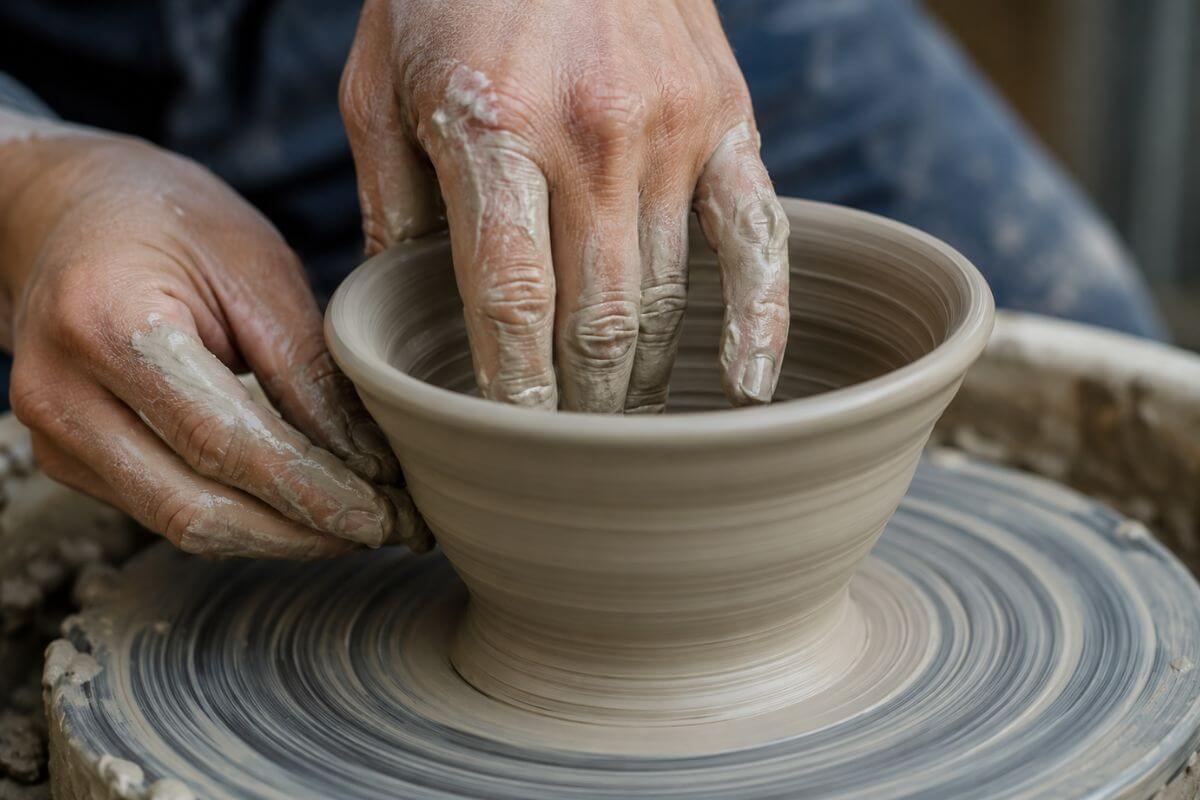
Most visitors come here to try wheel-throwing classes. Many studios allow you to shape bowls, cups, or plates with guidance from local potters. Even if your pottery turns out imperfect, that slightly uneven look is actually appreciated in Japanese ceramic culture.
Mashiko pottery often has warm, earthy colors with natural textures. The pieces feel handmade in the best possible way.
You should also visit during the Mashiko Pottery Fair, held twice a year. Hundreds of ceramic artists gather to sell handmade works, and the entire town turns into a giant outdoor pottery market.
Why you will love it:
- Easy day trip from Tokyo
- Relaxed countryside atmosphere
- Excellent beginner workshops
- Affordable pottery classes
2. Arita, Saga 🍶
Arita is the birthplace of Japanese porcelain, making it one of the most historically important ceramic towns in the country.
The town is known for elegant white porcelain decorated with blue and colorful patterns. Walking through Arita feels like entering a living museum of Japanese craftsmanship.
One of the most popular activities here is porcelain painting. Instead of shaping clay, you decorate pre-made porcelain pieces using traditional techniques. This makes Arita perfect if you want a creative experience without needing advanced pottery skills.
Some studios also offer wheel throwing and full porcelain-making workshops, though porcelain is harder to work with than regular clay.
The streets are lined with beautifully preserved buildings, ceramic shops, and galleries. Even street signs and bridges sometimes feature ceramic decorations.
Highlights include:
- Famous Japanese porcelain history
- Beautiful painted ceramic styles
- Great shopping opportunities
- Unique artistic atmosphere
3. Seto, Aichi 🔥
Seto is so closely tied to pottery that the Japanese word “setomono” actually became a common word for ceramics.
Located near Nagoya, Seto has been producing pottery for centuries and remains one of Japan’s biggest ceramic centers today.
This town is excellent for travelers because it combines tradition with accessibility. Workshops are easy to find, prices are reasonable, and many classes are designed for beginners.
You can try:
- Pottery wheel lessons
- Hand-building classes
- Ceramic painting
- Glazing experiences
Seto is also famous for producing practical everyday pottery. Instead of highly decorative pieces, many ceramics here are designed for daily use.
The Seto-Gura Museum gives you a deeper understanding of Japanese ceramic history and is worth visiting before your workshop.
Why it stands out:
- Beginner-friendly environment
- Convenient transportation
- Wide range of ceramic activities
- Strong local culture
4. Shigaraki, Shiga 🦝
Shigaraki is instantly recognizable because of its famous tanuki statues. These cheerful raccoon dog figures appear outside shops, restaurants, and homes throughout Japan.
But Shigaraki is much more than tanuki pottery.
The region has some of the oldest kilns in Japan, and its clay is highly valued for its rough texture and natural appearance. Pottery from Shigaraki often looks rustic, strong, and deeply connected to nature.
Many workshops here focus on traditional firing techniques. Some experiences even allow you to see climbing kilns and wood-fired ovens in action.
The town itself feels artistic and quiet. Large ceramic sculptures appear throughout the streets, giving Shigaraki a creative, open-air museum feeling.
Things you can experience:
- Traditional clay shaping
- Wood-fired kiln demonstrations
- Sculpture workshops
- Rustic Japanese ceramic styles
5. Bizen, Okayama 🌋
Bizen pottery is unlike almost any other Japanese ceramic style because it uses no glaze.
Instead, the pottery gains its colors naturally through the firing process. Ash, flames, and heat create unpredictable patterns during long kiln firings that can last for days.
Because of this, Bizen pottery feels deeply natural and organic.
Workshops here are often more traditional and serious compared to tourist-heavy pottery towns. Many local artists focus on preserving ancient methods that have barely changed for centuries.
If you are interested in authentic Japanese craftsmanship rather than decorative souvenirs, Bizen is an incredible destination.
The atmosphere is slower and more rural, which adds to its charm.
Reasons to visit:
- Ancient pottery traditions
- Unique unglazed ceramics
- Authentic local culture
- Strong connection to tea ceremony history
6. Tobe, Ehime 🌊
Tobe is one of Japan’s most underrated pottery towns. Located on Shikoku Island, it is especially famous for blue-and-white porcelain.
Compared to larger pottery destinations, Tobe feels quieter and less commercial. This makes it ideal if you want a more relaxed cultural experience.
Many workshops are welcoming to beginners and families. You can create bowls, mugs, plates, and decorative items while learning about local ceramic history.
Tobe pottery is often simple, clean, and practical for daily life. The designs usually feature soft blue brushwork on white porcelain.
The town also has pottery museums and scenic countryside surroundings that make the trip feel peaceful and refreshing.
Best features include:
- Calm local atmosphere
- Friendly workshops
- Beautiful blue-and-white porcelain
- Less crowded experience
7. Hagi, Yamaguchi 🍵
Hagi pottery has a deep connection to the Japanese tea ceremony. Many tea masters value Hagi ware because its soft texture changes over time with use.
This aging process is considered beautiful and meaningful in Japanese culture.
Hagi itself is a historic castle town with preserved samurai districts and traditional streets. The atmosphere feels elegant and cultural rather than heavily commercial.
Many visitors enjoy making tea bowls here because Hagi ceramics are strongly connected to tea traditions.
The pottery style is usually soft, simple, and understated. Colors tend to be gentle whites, pinks, and earthy tones.
Why travelers enjoy Hagi:
- Historic town atmosphere
- Tea ceremony culture
- Elegant handmade ceramics
- Relaxed artistic environment
8. Kutani, Ishikawa 🎭
Kutani pottery is famous for bold colors and detailed painted designs. Unlike minimalist ceramic styles, Kutani ware often feels energetic and luxurious.
Artists traditionally use five main colors to create floral patterns, birds, landscapes, and dramatic decorative scenes.
If you enjoy painting and artistic detail, Kutani workshops are especially rewarding. Many experiences focus on decorating porcelain pieces using traditional brushes and techniques.
Kanazawa, nearby, also makes this region a fantastic cultural trip. You can combine pottery experiences with gardens, samurai districts, and seafood markets.
Things that make Kutani special:
- Rich colorful designs
- Artistic painting experiences
- Strong traditional identity
- Excellent cultural surroundings
9. Tokoname, Aichi 🚂
Tokoname is one of Japan’s oldest kiln towns and is especially known for red clay teapots.
The town’s famous Pottery Footpath leads visitors through narrow streets filled with old kilns, ceramic walls, and hidden artist studios.
Tokoname has a very photogenic atmosphere. Large ceramic pipes and pottery decorations appear everywhere, making simple walks feel interesting.
Many workshops focus on tea-related ceramics because the town has a long history of teapot production.
The area is also close to Central Japan International Airport, making it an easy stop for travelers entering or leaving Japan.
Top reasons to visit:
- Historic pottery walking trails
- Traditional teapot craftsmanship
- Compact and walkable town
- Easy transportation access
10. Karatsu, Saga 🌅
Karatsu pottery is beloved by tea ceremony enthusiasts for its natural beauty and subtle elegance.
Compared to more colorful ceramic traditions, Karatsu ware is usually simple and earthy. The beauty comes from texture, shape, and balance rather than flashy decoration.
What makes Karatsu especially appealing is the opportunity to meet local artists directly. Many workshops are small family studios where you can speak with the potters while working on your own ceramic piece.
The coastal scenery around Karatsu also adds to the experience. You can enjoy beaches, castles, seafood, and traditional culture all in one trip.
Why Karatsu deserves a visit:
- Intimate workshop experiences
- Strong tea culture heritage
- Scenic coastal setting
- Authentic artisan interactions
Conclusion 🌸
Japan’s pottery towns offer far more than simple tourist activities. They allow you to slow down, work with your hands, and connect with traditions that have survived for hundreds of years.
Whether you choose the rustic kilns of Bizen, the colorful porcelain of Kutani, or the beginner-friendly studios of Mashiko, each town gives you a completely different experience.
Making your own ceramics also changes how you see Japanese craftsmanship. You begin to notice the beauty of texture, shape, balance, and imperfection in a much deeper way.
The best part is that you leave with something truly personal. Instead of bringing home a factory-made souvenir, you return with a handmade piece connected to your own memories of Japan.
Frequently Asked Questions ❓
Do I need pottery experience before joining a workshop?
No. Most pottery workshops in Japan are designed for beginners. Instructors usually guide you step by step, even if you have never touched clay before.
How long does it take to receive finished pottery after a class?
Many studios ship finished ceramics internationally because pieces need drying and firing time. Delivery can take anywhere from a few weeks to several months, depending on the kiln schedule.
Are pottery workshops in Japan expensive?
Prices vary, but most beginner workshops are reasonably affordable. Simple classes often cost between $20 and $60, depending on the town and experience type.
Can children join ceramic workshops in Japan?
Yes. Many pottery towns offer family-friendly classes where children can safely create simple ceramic items using hand-building techniques.
Which pottery town is best for a day trip from Tokyo?
Mashiko is usually considered the best pottery day trip from Tokyo because it is easy to reach and has many beginner-friendly workshops and pottery shops.