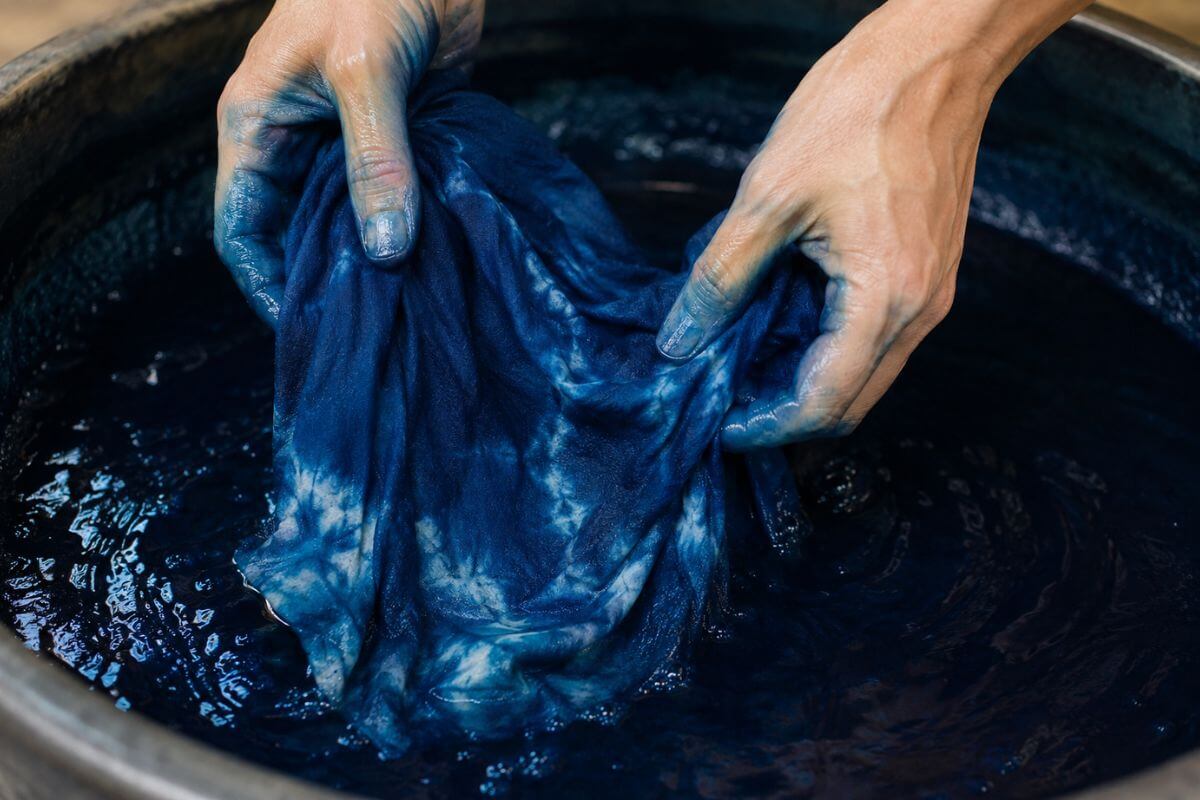
If you want to experience one of Japan’s most beautiful traditional crafts with your own hands, aizome, or Japanese indigo dyeing, should be high on your list. This centuries-old art uses natural indigo plants to create deep blue colors that feel calm, rich, and timeless. Across Japan, you can visit workshops where local artisans teach you how to dye scarves, shirts, bags, and even large fabric pieces using traditional methods.
What makes aizome special is that every piece turns out differently. The folds, patterns, and shades of blue are unique to you. Some workshops focus on ancient techniques passed down for generations, while others mix modern fashion with old traditions. Whether you visit a mountain village, a historic town, or a quiet countryside studio, these experiences give you a deeper connection to Japanese culture.
In this guide, you will discover the best traditional indigo dyeing experiences in Japan that welcome travelers and beginners alike.
Quick Summary Table 🧵
| Rank | Experience | Location | Best For | Highlights |
|---|---|---|---|---|
| 1 | Tokushima Aizome Workshops | Tokushima | Authentic heritage | Japan’s most famous indigo region |
| 2 | BUAISOU Indigo Studio | Tokushima | Modern craft lovers | Stylish modern aizome culture |
| 3 | Kyoto Indigo Dyeing Studios | Kyoto | First time visitors | Easy access and cultural atmosphere |
| 4 | Mashiko Indigo Experiences | Tochigi | Craft enthusiasts | Pottery town with folk art vibes |
| 5 | Okinawa Ryukyu Indigo Workshops | Okinawa | Tropical culture lovers | Unique island dye traditions |
| 6 | Gujo Hachiman Dye Houses | Gifu | Small town charm | Historic waterways and old workshops |
| 7 | Kojima Denim Indigo Tours | Okayama | Fashion fans | Indigo and Japanese denim together |
| 8 | Aomori Natural Dye Studios | Aomori | Rural travel | Deep northern Japanese traditions |
| 9 | Nagano Farmhouse Dyeing Classes | Nagano | Slow travel | Mountain scenery and handmade crafts |
| 10 | Kanazawa Artisan Workshops | Ishikawa | Luxury craft seekers | Elegant traditional techniques |
How We Ranked These Experiences 🎨
We looked at several important factors to choose the best traditional indigo dyeing experiences in Japan:
- Authentic traditional methods
- Beginner friendliness
- Hands-on participation
- Quality of local artisans
- Cultural atmosphere
- English support for travelers
- Uniqueness of the final product
- Historical importance of the region
- Workshop quality and reputation
- Overall travel experience nearby
1. Tokushima Aizome Workshops ☀️
Tokushima is often considered the heart of Japanese indigo dyeing. The region has produced high-quality indigo for hundreds of years, and many people believe this is the best place in Japan to truly understand aizome culture.
When you join a workshop here, you usually begin by learning about sukumo, the fermented indigo leaves used to make natural dye. The smell, texture, and process feel completely different from synthetic dyeing. Local artisans carefully explain how the dye changes color from green to deep blue once exposed to air.
Most workshops let you dye scarves, handkerchiefs, tote bags, or shirts. You can also try traditional shibori folding techniques that create beautiful patterns. Because Tokushima is so deeply connected to indigo history, the experience feels educational as well as artistic.
The countryside setting also adds to the atmosphere. Many workshops are surrounded by mountains, rivers, and old Japanese homes, making the entire visit peaceful and memorable.
2. BUAISOU Indigo Studio 💠
BUAISOU has helped make Japanese indigo dyeing popular with younger generations around the world. Located in Tokushima, this studio blends traditional methods with modern fashion and design.
Unlike some workshops that feel like tourist attractions, BUAISOU focuses heavily on craftsmanship. Their team grows indigo plants, ferments the dye naturally, and creates contemporary clothing using ancient methods.
Visitors can join workshops where they learn how natural indigo works while creating wearable items they actually want to use every day. The designs tend to feel more modern and stylish, which appeals to travelers interested in fashion, photography, and creative culture.
The studio itself has a clean, artistic atmosphere that feels both traditional and modern at the same time. If you love Japanese minimalism, this experience stands out immediately.
3. Kyoto Indigo Dyeing Studios 🏯
Kyoto is one of the easiest places for travelers to experience traditional Japanese crafts, and indigo dyeing is no exception. The city has several workshops located near temples, historic streets, and cultural districts.
Many Kyoto studios specialize in beginner-friendly experiences. Even if you have never tried dyeing before, the instructors guide you through every step carefully. You can often choose between simple tie-dye patterns or more detailed traditional methods.
One of the biggest advantages of Kyoto is convenience. You can spend the morning visiting shrines and the afternoon creating your own indigo-dyed souvenir. The workshops also tend to have polished presentation styles that make international visitors feel comfortable.
Because Kyoto values aesthetics so deeply, many studios focus on beautiful presentation and elegant designs. Your finished piece often looks refined enough to become a meaningful keepsake rather than just a travel souvenir.
4. Mashiko Indigo Experiences 🍃
Mashiko is famous for pottery, but it also has a strong folk craft culture that includes natural dyeing. The town attracts artists, craftspeople, and travelers looking for authentic handmade experiences.
Indigo workshops here often feel small and personal. Instead of large tourist groups, you may spend time directly with local artisans in cozy studios filled with handmade objects and traditional tools.
What makes Mashiko special is the atmosphere. The town feels creative without being overly commercial. Walking through its quiet streets, pottery shops, and craft cafes creates a slower and more relaxed travel experience.
Many workshops combine indigo dyeing with other traditional arts, giving you a deeper appreciation for Japanese craftsmanship overall.
5. Okinawa Ryukyu Indigo Workshops 🌊
Okinawa offers a completely different side of Japanese indigo culture. The islands have their own Ryukyu traditions, colors, and textile history that feel distinct from mainland Japan.
The indigo shades used here sometimes appear brighter and more tropical due to the local climate and artistic styles. Workshops often include traditional Okinawan patterns inspired by the ocean, coral, and island life.
The relaxed atmosphere makes these experiences especially enjoyable. Many studios are located near beaches or surrounded by tropical plants, creating a calm environment that feels far away from busy cities.
Some workshops also teach about Okinawan history and traditional clothing, helping you understand how indigo played a role in local life for generations.
6. Gujo Hachiman Dye Houses 🚲
Gujo Hachiman is a charming town in Gifu Prefecture known for its canals, clear water, and preserved traditional atmosphere. Walking through the town already feels like stepping into old Japan.
Water quality matters greatly in indigo dyeing, and Gujo Hachiman has long been respected for its clean natural water sources. This connection between water and dyeing traditions gives the workshops a special authenticity.
Many local dye houses operate inside historic wooden buildings. The workshops feel intimate and deeply connected to the town’s heritage. You may hear stories about how families passed these techniques through generations.
Because Gujo Hachiman receives fewer international tourists than Kyoto, the experience often feels quieter and more personal.
7. Kojima Denim Indigo Tours 👖
If you love Japanese fashion, Kojima in Okayama is an exciting place to experience indigo culture. Known as the birthplace of premium Japanese denim, the area combines traditional dyeing techniques with modern clothing production.
Many workshops focus on denim products, allowing you to dye items connected to Japan’s famous jeans industry. You can learn how indigo became linked with workwear and how Japanese denim makers perfected the craft over time.
The atmosphere here feels more industrial and fashion-focused compared to countryside studios, but that difference makes Kojima unique. You see how ancient dye traditions continue to influence modern global fashion.
Some tours even include visits to denim factories, boutiques, and artisan studios, creating a full indigo-themed travel experience.
8. Aomori Natural Dye Studios ❄️
Northern Japan has a quieter and more rustic approach to traditional crafts, and Aomori’s indigo studios reflect that feeling beautifully.
The colder climate and rural landscapes create a peaceful environment where artisans focus on careful, handmade work. Workshops here often emphasize natural materials, slow processes, and seasonal inspiration.
Because Aomori is less crowded than major tourist destinations, you may feel more connected to local life. Some experiences take place in old farmhouses or traditional homes surrounded by forests and fields.
The final dyed pieces often feature earthy and organic designs that reflect the simplicity of northern Japanese culture.
9. Nagano Farmhouse Dyeing Classes 🏔️
Nagano’s mountain villages provide one of the most relaxing environments for learning traditional indigo dyeing. Many workshops are hosted by families who combine farming, crafts, and hospitality together.
You might start your day with tea in a traditional farmhouse before learning how to fold fabric and dip it into natural indigo vats. The slower pace helps you appreciate the process rather than rushing through it.
Nagano workshops often focus strongly on sustainability and handmade living. Some even let visitors see indigo plants growing nearby during warmer seasons.
The surrounding mountains, fresh air, and quiet scenery make the entire experience feel deeply calming and authentic.
10. Kanazawa Artisan Workshops ✨
Kanazawa is famous for refined traditional arts, and its indigo dyeing workshops reflect the city’s elegant reputation. The experiences here often feel polished, artistic, and carefully designed.
Many studios focus on high-quality fabrics and sophisticated patterns inspired by classical Japanese aesthetics. You may create items that look suitable for galleries or luxury boutiques.
Kanazawa’s rich samurai and merchant history also adds cultural depth to the workshops. After your dyeing session, you can explore preserved districts filled with teahouses, craft stores, and historic architecture.
For travelers who enjoy luxury cultural experiences, Kanazawa offers one of the most refined introductions to aizome in Japan.
Conclusion 💙
Traditional indigo dyeing in Japan is much more than a craft activity. It is a chance to slow down, work with your hands, and connect with centuries of history through color and texture. Every workshop offers something different, from the deep heritage of Tokushima to the fashion culture of Kojima and the tropical creativity of Okinawa.
No matter where you go, the experience leaves you with more than just a handmade souvenir. You also take home memories of local artisans, traditional techniques, and the quiet beauty of Japanese craftsmanship. If you want a travel experience that feels personal, creative, and deeply cultural, aizome is one of the best activities you can try in Japan.
Frequently Asked Questions 📚
Is indigo dyeing in Japan suitable for beginners?
Yes. Most workshops are designed for beginners and provide step-by-step instructions. Even children and first-time visitors can usually create beautiful pieces successfully.
How long does a traditional aizome workshop usually take?
Most classes last between one and three hours, depending on the complexity of the project. Larger textile projects may take longer.
Will natural indigo stain my hands or clothes?
Your hands may temporarily turn slightly blue during the process, but it usually fades quickly. Workshops often provide aprons and gloves to protect your clothing.
What kinds of items can you dye during the experience?
Common items include scarves, tote bags, shirts, handkerchiefs, and small fabric pieces. Some studios also offer larger fashion items or home decorations.
What is the best season for indigo dyeing in Japan?
You can enjoy aizome year-round, but spring and autumn are especially pleasant because the weather is comfortable for sightseeing and outdoor travel around workshop areas.