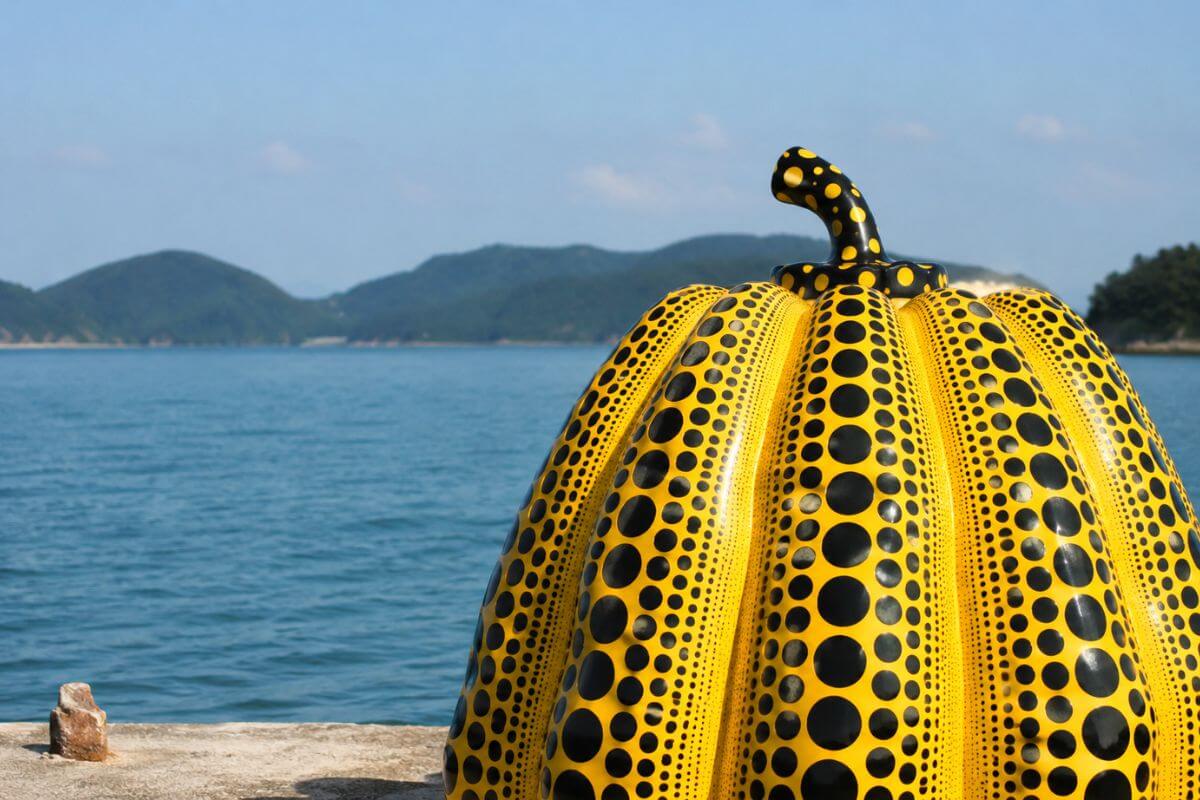
When people think about art islands in Japan, most immediately picture Naoshima. While Naoshima deserves its fame, Japan is actually filled with lesser-known islands where art, nature, history, and local culture come together in unforgettable ways. Some islands focus on modern sculptures beside the sea, while others turn abandoned villages into open air galleries. A few even blend traditional fishing life with experimental creativity.
If you want a more unique and less crowded experience, these islands can give you something Naoshima no longer always offers: quiet discovery. You can bike along empty coastal roads, find hidden installations in forests, and meet local artists who still shape the islands today.
This guide will help you discover the best art islands in Japan beyond Naoshima, including what makes each one special and why they deserve a place on your travel list.
Quick Summary Table 🗾
| Rank | Island | Prefecture | Best Known For | Ideal For |
|---|---|---|---|---|
| 1 | Teshima | Kagawa | Dreamlike contemporary art | Architecture lovers |
| 2 | Inujima | Okayama | Industrial ruins and art fusion | Photography |
| 3 | Megijima | Kagawa | Cave art and festivals | Casual travelers |
| 4 | Ogijima | Kagawa | Hillside art village | Walking tours |
| 5 | Sado Island | Niigata | Traditional arts and crafts | Cultural travelers |
| 6 | Ikuchijima | Hiroshima | Temple art and cycling | Relaxed exploration |
| 7 | Oshima | Kagawa | Powerful social art projects | Thoughtful experiences |
| 8 | Awashima | Kagawa | Maritime themed installations | Hidden gems |
| 9 | Ojika Island | Nagasaki | Old homes turned art spaces | Rural atmosphere |
| 10 | Rebun Island | Hokkaido | Nature inspired creative landscapes | Outdoor lovers |
How We Ranked These Islands 🎨
We used several important factors to rank these art islands fairly and help you find destinations that offer more than just pretty photos.
- Quality and originality of art installations
- Overall atmosphere and scenery
- Accessibility for foreign travelers
- Mix of modern and traditional culture
- Unique experiences unavailable elsewhere
- Community involvement in local art
- Opportunities for slow travel and exploration
- Seasonal events and festivals
- Preservation of island identity
- Variety of attractions beyond galleries
1. Teshima, Kagawa Prefecture 🏝️
Teshima is often considered the spiritual sibling of Naoshima, but many travelers end up loving it even more. The island feels peaceful, rural, and deeply connected to nature. Instead of overwhelming you with giant museums, Teshima spreads its art across rice fields, quiet roads, and coastal villages.
The island’s most famous attraction is the Teshima Art Museum, a building that feels more like a living organism than a museum. Rainwater, wind, sunlight, and sound all become part of the experience. You do not simply view the art here. You experience it with your entire body.
Beyond the museum, you will find hidden installations tucked into abandoned houses and forest trails. Renting an electric bicycle is one of the best ways to explore because the roads are scenic and calm.
Teshima is perfect if you enjoy slow travel, reflective spaces, and modern architecture that blends naturally into the environment.
2. Inujima, Okayama Prefecture 🧱
Inujima is tiny, but it delivers one of the most memorable art experiences in Japan. Once known for its copper refinery, the island transformed industrial ruins into creative spaces filled with contemporary installations.
The Inujima Seirensho Art Museum is the island’s centerpiece. Old brick walls, smokestacks, and abandoned machinery now coexist with modern design and environmental themes. The result feels dramatic without becoming overly polished.
Walking through Inujima almost feels like stepping into a forgotten world where art slowly reclaimed the landscape. Small art houses scattered throughout the village give local homes a second life while preserving the island’s original atmosphere.
If you love photography, textures, and abandoned industrial beauty, Inujima should be high on your list.
3. Megijima, Kagawa Prefecture 👹
Megijima mixes mythology, art, and coastal scenery in a way that feels playful and approachable. The island is famous for its connection to the Japanese ogre legend of Oni, and many creative projects embrace this theme.
One of the most popular attractions is the cave, said to be linked to the Oni folklore story. Around the island, colorful installations and festival artworks create an atmosphere that feels both fun and mysterious.
Unlike some art islands that focus heavily on modern architecture, Megijima feels more casual and welcoming. You can easily spend the day walking through fishing villages, stopping at cafes, and discovering artworks hidden along the shoreline.
It is a great choice for travelers who want art without an intimidating museum atmosphere.
4. Ogijima, Kagawa Prefecture 🚲
Ogijima sits close to Megijima, but the mood is completely different. The island is steep, compact, and filled with narrow pathways that wind between traditional houses.
Art here becomes part of everyday life. Many installations are built directly into homes, staircases, and alleyways. Instead of separating galleries from local living spaces, Ogijima blends the two together naturally.
One of the most memorable parts of visiting is simply wandering without a plan. You may discover tiny art spaces hidden behind wooden doors or sculptures overlooking the sea.
The island also has one of the most visually striking ferry terminals in Japan, which immediately introduces visitors to its creative spirit.
Ogijima is ideal if you enjoy walking, small villages, and intimate art experiences.
5. Sado Island, Niigata Prefecture 🥁
Sado Island is much larger than most islands on this list, and its artistic identity comes from deep cultural traditions rather than only contemporary installations.
The island is famous for taiko drumming, Noh theater, traditional crafts, and gold mining history. Art on Sado feels alive because it remains connected to local daily culture instead of existing only inside museums.
You can attend performances by the legendary Kodo taiko group, visit artisan workshops, and explore beautifully preserved villages. Nature also plays a huge role in the island’s atmosphere, especially along the rugged coastline.
Sado rewards travelers who want a deeper understanding of Japanese cultural heritage alongside creative experiences.
6. Ikuchijima, Hiroshima Prefecture 🍋
Ikuchijima is best known as one of the highlights of the Shimanami Kaido cycling route, but it also offers a surprisingly rich artistic atmosphere.
The island’s most famous attraction is Kosanji Temple, which combines extravagant architecture, sculptures, caves, and colorful spiritual imagery. Nearby, the Miraishin no Oka marble garden creates an almost Mediterranean feeling overlooking the sea.
Because many travelers arrive by bicycle, the island feels relaxed and energetic at the same time. Lemon farms, seaside cafes, and art spaces create a refreshing combination.
Ikuchijima works especially well for travelers who want to mix physical activity with cultural exploration.
7. Oshima, Kagawa Prefecture 🕊️
Oshima offers one of the most emotionally powerful art experiences in Japan. Historically, the island served as a sanatorium for people affected by Hansen’s disease, and many art projects now focus on memory, dignity, and human connection.
The artworks here are thoughtful rather than flashy. Many installations encourage visitors to reflect on isolation, identity, and social history. This creates an experience that feels deeply personal.
Despite its heavy historical background, Oshima also has beautiful coastal scenery and quiet landscapes that balance the emotional weight of the exhibitions.
Travelers interested in meaningful art with strong social themes will find Oshima unforgettable.
8. Awashima, Kagawa Prefecture ⚓
Awashima remains one of the least visited islands connected to the Setouchi art scene, which makes it especially appealing for adventurous travelers.
Historically connected to maritime education, the island now hosts installations inspired by the sea, navigation, and island life. Former school buildings and port areas have been transformed into creative spaces while keeping their original identity intact.
Awashima feels wonderfully quiet compared to more famous destinations. You can walk for long stretches without seeing crowds, making the island perfect for travelers who want a peaceful escape.
The slower pace allows you to appreciate both the art and the surrounding sea views more deeply.
9. Ojika Island, Nagasaki Prefecture 🐚
Ojika Island combines preserved traditional architecture with small but growing artistic projects. Rather than massive museums, the island focuses on restoring old homes and giving them new creative purposes.
Many visitors stay inside renovated kominka houses, which helps you feel connected to local life. Art exhibitions often appear inside these traditional spaces, creating an interesting contrast between old and new Japan.
The island’s fishing culture, Christian history, and remote atmosphere give it a character that feels very different from the Setouchi islands.
Ojika is ideal if you enjoy authenticity, quiet coastal towns, and community-centered tourism.
10. Rebun Island, Hokkaido Prefecture 🌼
Rebun Island may surprise some readers because it is better known for alpine flowers and hiking than museums. However, its landscapes have inspired countless local artists, photographers, and nature-based installations.
Creative expression on Rebun often focuses on harmony with nature. Seasonal flower fields, dramatic cliffs, and isolated coastal paths create scenery that already feels like a giant outdoor artwork.
The island attracts artists who seek inspiration from silence and wilderness rather than urban culture. Small galleries and handmade craft shops add to the atmosphere without overwhelming the natural beauty.
Rebun is perfect if you believe art can exist beyond gallery walls.
Conclusion ✨
Japan’s art islands extend far beyond the famous museums of Naoshima. Each island on this list offers its own personality, whether through industrial ruins, traditional performance arts, hidden installations, or breathtaking natural scenery.
Some islands challenge your emotions, while others simply encourage you to slow down and appreciate beauty in everyday life. That variety is what makes exploring Japan’s art islands so rewarding.
If you are planning a future trip to Japan, consider building an itinerary that includes at least one of these lesser-known destinations. You may discover that the quieter islands leave the strongest memories.
Frequently Asked Questions ❓
Which art island in Japan is best for first-time visitors?
Teshima is often the best starting point because it balances accessibility, modern art, beautiful scenery, and a relaxed atmosphere. It also pairs easily with nearby islands in the Setouchi region.
What is the best season to visit Japan’s art islands?
Spring and fall are usually the most comfortable seasons because temperatures are mild and ferry travel is smoother. Summer can also be exciting due to art festivals, but it may become hot and crowded.
Do you need to speak Japanese to visit these islands?
No, you can still enjoy most islands without speaking Japanese. Many major art sites provide English information, especially around the Setouchi region. However, learning a few simple phrases can make interactions easier in smaller communities.
Are Japan’s art islands expensive to visit?
Costs vary depending on transportation and accommodations. Ferry tickets are generally affordable, but some museum admissions and boutique hotels can be expensive. Staying in guesthouses and traveling slowly can help reduce costs.
Can you visit multiple art islands in one trip?
Yes, especially in the Seto Inland Sea area, where ferries connect several islands closely together. Many travelers combine Teshima, Inujima, Megijima, Ogijima, and other nearby islands into one extended itinerary.