When most people think about Shinto shrines in Japan, they imagine famous places packed with tourists, souvenir shops, and long photo lines. While those shrines are beautiful, they are only a small part of Japan’s spiritual world. Across the country, there are hundreds of smaller hidden shrines where local people still quietly pray for health, success, love, family safety, and good harvests.
These lesser-known shrines often sit deep in forests, near fishing villages, beside mountain paths, or hidden between old neighborhoods. You may not find large crowds or flashy attractions there. Instead, you experience something much more personal and peaceful.
If you want to see a more authentic side of Japan during your travels, these hidden Shinto shrines can give you memories that feel deeply special. In this guide, you will discover ten hidden shrines that locals treasure, but many tourists completely miss.
Quick Summary Table 🗾
| Rank | Shrine | Location | Known For | Why Tourists Skip It |
|---|---|---|---|---|
| 1 | Kamishikimi Kumanoimasu Shrine | Kumamoto | Mystical forest atmosphere | Remote mountain location |
| 2 | Motonosumi Shrine | Yamaguchi | Cliffside torii gates | Far from major cities |
| 3 | Omiwa Shrine | Nara | Sacred mountain worship | Overshadowed by Nara temples |
| 4 | Takachiho Shrine | Miyazaki | Ancient myths and rituals | Difficult access without car |
| 5 | Hodosan Shrine | Saitama | Mountain spirituality | Hidden by Tokyo tourism |
| 6 | Sakurai Futamigaura | Fukuoka | Sacred ocean rocks | Mostly visited by locals |
| 7 | Shiogama Shrine | Miyagi | Fishing and sea blessings | Often skipped for Sendai attractions |
| 8 | Yutoku Inari Shrine | Saga | Stunning hillside shrine | Less famous than Fushimi Inari |
| 9 | Togakushi Shrine | Nagano | Cedar forest paths | Requires hiking and travel time |
| 10 | Achi Shrine | Okayama | Peaceful hilltop views | Tourists focus on Kurashiki canals |
How We Ranked These Shrines 🌿
We selected these shrines using several important factors that make them special for travelers seeking authentic cultural experiences:
- Strong connection to local prayer traditions
- Beautiful natural surroundings
- Historical and spiritual importance
- Lower international tourist traffic
- Unique rituals or legends
- Memorable atmosphere during quiet visits
- Easy opportunity to experience local Japanese culture
- Scenic paths, forests, mountains, or ocean views
- Preserved traditional architecture
- Emotional and peaceful visitor experience
1. Kamishikimi Kumanoimasu Shrine, Kumamoto 🔥
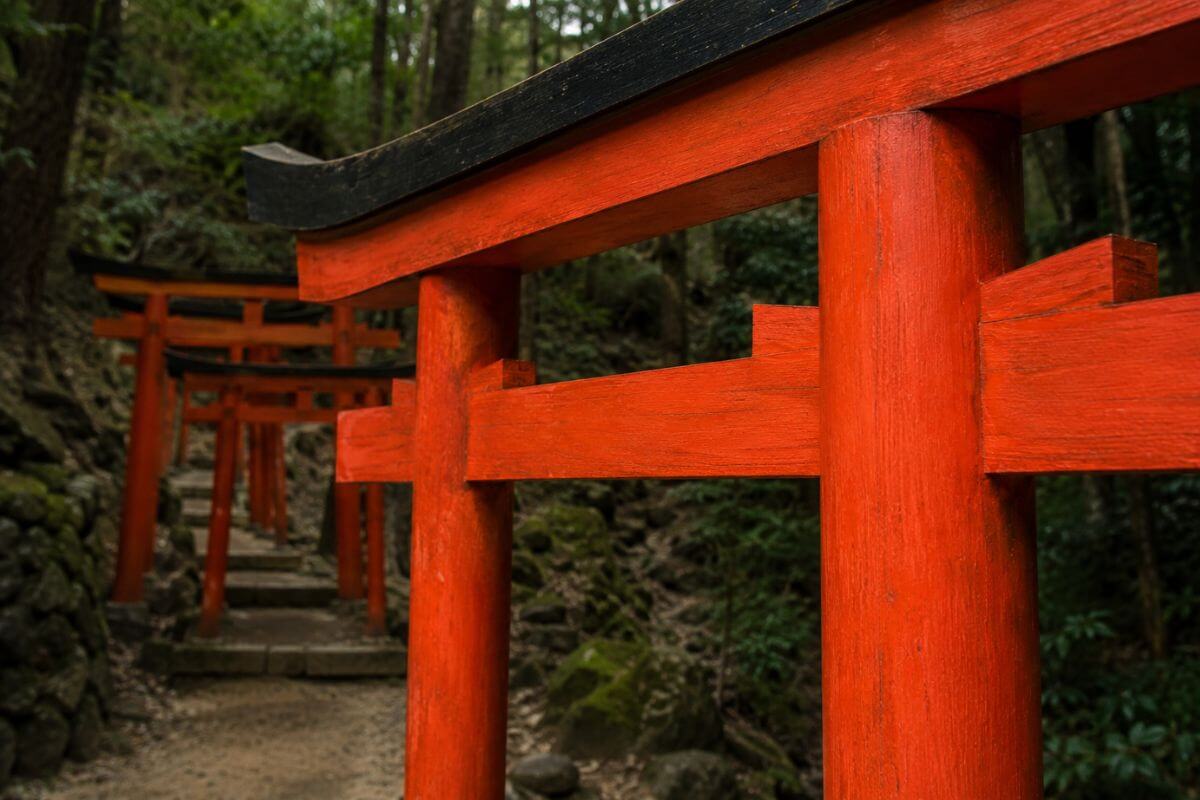
Hidden in the forests of Kumamoto Prefecture, Kamishikimi Kumanoimasu Shrine feels like a place from another world. Moss covers the stone lanterns, giant cedar trees rise into the sky, and a long staircase lined with old torii gates creates an almost magical scene.
Local residents often visit this shrine to pray for protection, strength, and personal success. The shrine is deeply connected to old mountain worship traditions and spiritual legends from Kyushu.
What makes this shrine special is its mysterious atmosphere. Even during the daytime, the forest feels quiet and sacred. Fog often rolls through the trees after rain, making the area look like a scene from a fantasy movie.
Tourists skip this place mainly because it is difficult to reach without a car. Most international visitors stay around larger cities like Tokyo, Osaka, and Kyoto, leaving this hidden treasure surprisingly peaceful.
When you walk through the torii tunnel and hear only birds and rustling leaves, you quickly understand why locals continue returning here for prayer and reflection.
2. Motonosumi Shrine, Yamaguchi 🌊
Motonosumi Shrine sits dramatically along the cliffs of Yamaguchi Prefecture facing the Sea of Japan. A long line of bright red torii gates stretches toward the ocean, creating one of the most beautiful coastal shrine views in the country.
Although photos of the shrine sometimes appear online, surprisingly few foreign tourists actually make the journey. The remote location keeps the atmosphere calm and local.
Residents pray here for prosperity, safe travel, business success, and protection at sea. Fishermen from nearby villages have visited the shrine for generations.
One of the shrine’s most interesting features is the offering box placed high above the gate entrance. Local tradition says that if your coin lands inside, your wish may come true.
The crashing waves, salty ocean air, and endless blue horizon make this shrine feel powerful yet peaceful at the same time.
3. Omiwa Shrine, Nara 🌸
While millions of tourists visit Nara every year for its famous deer and temples, many completely overlook Omiwa Shrine. This is surprising because Omiwa is considered one of Japan’s oldest and most sacred Shinto sites.
Unlike many shrines, Omiwa Shrine does not worship a physical building as its main sacred object. Instead, the entire Mount Miwa behind the shrine is believed to be holy.
Local people come here to pray for health, business growth, and family protection. Many visitors also seek spiritual cleansing and inner peace.
The forest paths surrounding the mountain create a calm environment far removed from crowded tourist areas nearby. The shrine feels deeply connected to ancient Japan, before modern cities existed.
Visiting Omiwa gives you a rare chance to experience pure Shinto traditions in a more natural setting without heavy commercial tourism.
4. Takachiho Shrine, Miyazaki 🌙
Takachiho is one of the most legendary spiritual regions in Japan. According to Japanese mythology, many gods were believed to have descended here from the heavens.
Takachiho Shrine itself is surrounded by towering cedar trees and ancient stone paths. Local families regularly visit to pray for marriage happiness, long life, and protection from bad luck.
One of the shrine’s biggest attractions is the nighttime yokagura dance performance. These sacred dances retell stories from Japanese mythology using masks, music, and firelight.
Because Takachiho lies deep in the mountains of Miyazaki Prefecture, many travelers skip it due to transportation difficulties. However, those who make the effort often describe it as one of the most unforgettable spiritual experiences in Japan.
The entire town feels slower, quieter, and more connected to old traditions than many modern tourist areas.
5. Hodosan Shrine, Saitama 🍃
Only a few hours from Tokyo, Hodosan Shrine remains surprisingly overlooked by international travelers. Located near the mountains of Saitama, the shrine combines beautiful nature with strong spiritual traditions.
Locals often pray here for fire protection, family safety, and successful journeys. The shrine’s mountain setting also makes it popular with hikers seeking blessings before climbing nearby trails.
During autumn, the surrounding forests explode with deep red and golden leaves. Winter brings a calm, snowy atmosphere that feels incredibly peaceful.
Unlike Tokyo’s busy shrines, Hodosan allows you to slow down and enjoy quiet moments without fighting through large crowds.
Its detailed carvings and colorful architecture also show how beautiful smaller regional shrines can be when preserved with local pride and care.
6. Sakurai Futamigaura, Fukuoka 🌅
Sakurai Futamigaura is famous among local couples and photographers, but still remains under the radar for most foreign tourists.
The shrine area overlooks the ocean and is best known for its sacred “married rocks” connected by a giant rope floating offshore. These rocks symbolize harmony and strong relationships.
Local people visit to pray for love, marriage success, and emotional balance. Sunset is especially magical here, as the glowing orange sky reflects across the sea behind the rocks.
Unlike crowded tourist beaches, the area maintains a calm local atmosphere where you can watch residents quietly pray or enjoy evening walks.
The combination of ocean scenery and spiritual symbolism makes this shrine feel deeply emotional and relaxing.
7. Shiogama Shrine, Miyagi ⚓
Shiogama Shrine has long protected fishermen and sailors along Japan’s northeastern coast. Located in Miyagi Prefecture near Sendai, the shrine stands on a hill overlooking the surrounding region.
Many locals pray here for safe travel, successful fishing seasons, and disaster protection. The shrine became especially meaningful after the 2011 earthquake and tsunami, when communities gathered here for comfort and prayer.
The long stone staircase leading upward creates a powerful first impression. Once at the top, you are rewarded with peaceful grounds and beautiful views.
Tourists often stay within central Sendai and miss this important cultural site completely. That means you can usually enjoy the shrine without large crowds.
Visiting Shiogama also helps you understand how deeply spiritual traditions remain connected to daily life in coastal Japan.
8. Yutoku Inari Shrine, Saga 🦊
When people think of Inari shrines, they usually visit Kyoto’s famous Fushimi Inari. However, Yutoku Inari Shrine in Saga Prefecture offers equally stunning scenery with far fewer tourists.
Built on a hillside, the shrine features colorful buildings raised above the forest floor on wooden supports. The surrounding gardens become especially beautiful during spring and autumn.
Local visitors pray for business success, farming prosperity, and household happiness. Fox statues throughout the grounds symbolize messengers of the Inari deity.
The quieter atmosphere allows you to truly appreciate the architecture and mountain surroundings without rushing.
Many travelers who discover Yutoku Inari later say they enjoyed it even more than Japan’s more crowded shrine destinations.
9. Togakushi Shrine, Nagano 🌲
Togakushi Shrine sits deep within the forests of Nagano and is spread across several shrine areas connected by walking trails.
The approach to the upper shrine is unforgettable. Massive cedar trees line the pathway, creating one of the most beautiful spiritual walks in Japan.
Locals pray here for wisdom, martial arts success, education, and safe mountain travel. The area also has strong historical ties to mountain monks and spiritual training.
Tourists often skip Togakushi because reaching all sections requires time, hiking, and planning. But this difficulty helps preserve the peaceful atmosphere.
As you walk through the towering forest in silence, it becomes easy to understand why the area has been considered sacred for centuries.
10. Achi Shrine, Okayama 🌺
Located above the historic district of Kurashiki, Achi Shrine offers beautiful city views along with a calm spiritual environment.
Most tourists spend their time exploring Kurashiki’s old canals and traditional shopping streets, never realizing this peaceful shrine sits quietly above the town.
Local residents visit to pray for academic success, health, and protection for their families. Seasonal flowers and old trees make the grounds especially relaxing during spring.
Because the shrine sits slightly uphill, visitor numbers stay relatively low compared to nearby tourist areas.
The peaceful setting, combined with views over old rooftops and narrow streets, creates a charming atmosphere that feels deeply connected to local daily life.
Conclusion 🏯
Japan’s hidden Shinto shrines offer something that many famous tourist spots cannot. They give you silence, authenticity, and a closer connection to local culture. Instead of rushing through crowded sightseeing areas, you can slow down and experience the spiritual side of Japan the way many local people still do today.
Whether you are walking through ancient cedar forests, listening to ocean waves beside sacred rocks, or climbing quiet stone staircases, these shrines allow you to discover a more personal side of Japanese tradition.
If you truly want meaningful travel memories, visiting places that locals still treasure may become the most unforgettable part of your journey.
Frequently Asked Questions ❓
Are hidden Shinto shrines open to foreign visitors?
Yes, most Shinto shrines in Japan are open to everyone regardless of nationality or religion. You are welcome to quietly explore and observe local customs respectfully.
What should you do before entering a Shinto shrine?
You should bow slightly before entering the torii gate and avoid walking directly in the center path, since it is traditionally reserved for the gods. Many visitors also wash their hands at the purification fountain before praying.
Is it okay to take photos at small local shrines?
In most outdoor areas, photography is allowed. However, you should avoid taking photos during prayer ceremonies or in restricted sacred spaces where signs prohibit cameras.
What is the best season to visit hidden shrines in Japan?
Autumn and spring are especially beautiful because of the colorful leaves and cherry blossoms. Winter can also create peaceful snowy scenery with fewer visitors.
Do you need to speak Japanese to visit these shrines?
No, you can still enjoy the experience without speaking Japanese. Simple politeness, quiet behavior, and observing what local visitors do will help you feel comfortable during your visit.