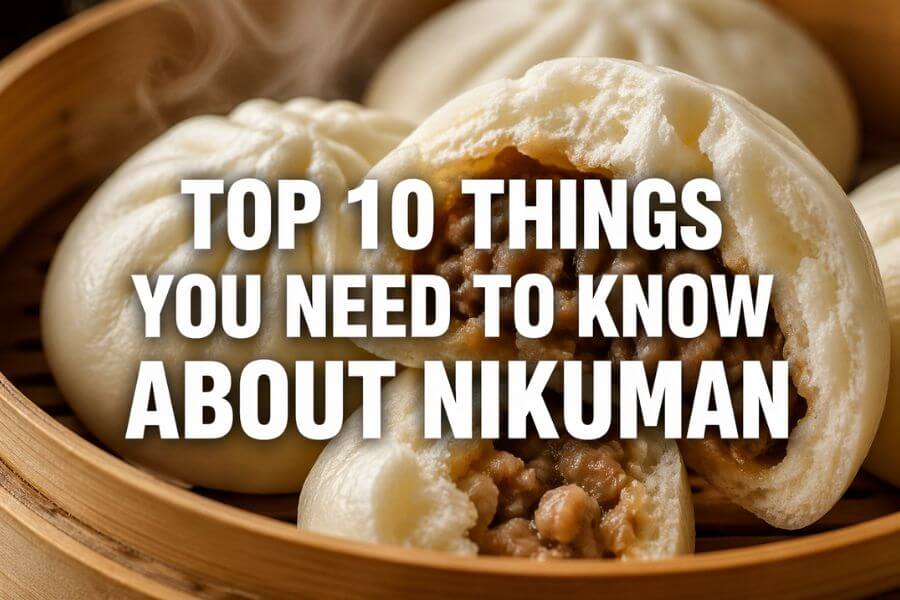
If you have ever walked into a convenience store in Japan during the colder months, you have likely noticed a warm display case filled with soft, steaming buns. One of the most popular items inside is Nikuman. This comforting snack is simple, affordable, and deeply loved across Japan. Whether you are a food traveler, a curious foodie, or someone who just enjoys trying new dishes, nikuman is something you should know about. In this guide, you will learn everything you need to understand why this humble steamed bun has become such an iconic part of Japanese food culture.
1. Nikuman Is a Japanese Version of Chinese Baozi
Nikuman did not start in Japan. It is inspired by Chinese steamed buns known as Baozi. When this dish came to Japan, it was adapted to local tastes and renamed “nikuman,” which literally means “meat bun.” Over time, it became its own unique snack with flavors and textures that feel very Japanese. While baozi often come in many styles and fillings, nikuman usually sticks to a simple, comforting pork filling. This blend of Chinese roots and Japanese adaptation is what makes nikuman both familiar and unique at the same time.
2. The Classic Filling Is Juicy Pork
When you bite into a traditional nikuman, you will find a savory mixture of ground pork, onions, and seasonings inside. The filling is juicy and slightly sweet, with a soft texture that pairs perfectly with the fluffy bun. Many recipes also include soy sauce, ginger, and sometimes cabbage to add flavor and moisture. The balance is key. The pork is not too heavy, and the bun is not too dry. Together, they create a warm and satisfying snack that is easy to enjoy any time of the day.
3. The Dough Is Soft, Fluffy, and Slightly Sweet
One of the most important parts of nikuman is the outer dough. It is made from flour, yeast, sugar, and water, which creates a soft and airy texture. When steamed, the dough becomes light and fluffy, almost like a cloud. The slight sweetness of the dough balances the savory filling inside. This contrast is what makes nikuman so enjoyable. You get a gentle sweetness on the outside and a rich, savory taste on the inside with every bite.
4. Nikuman Is a Popular Winter Comfort Food
Nikuman is strongly linked to cold weather in Japan. As temperatures drop, convenience stores and street vendors begin selling these warm buns. Holding a hot nikuman in your hands while walking outside on a chilly day is a simple but comforting experience. Many people associate nikuman with winter memories, making it more than just food. It becomes part of the season itself. If you visit Japan in winter, trying nikuman is almost a must.
5. You Can Find Nikuman Almost Everywhere in Japan
One reason nikuman is so popular is its availability. You can easily find it in:
- Convenience stores like 7-Eleven, Lawson, and FamilyMart
- Train stations and street stalls
- Supermarkets and food courts
Convenience stores often keep nikuman in heated display cases near the cashier, making it easy to grab one quickly. It is affordable, filling, and ready to eat, which makes it perfect for busy people on the go.
6. There Are Many Creative Variations
While the classic pork nikuman is the most common, there are many variations you can try. Some popular options include:
- Pizza nikuman with cheese and tomato sauce
- Curry nikuman with Japanese curry filling
- Anman, a sweet version filled with red bean paste
- Seafood or chicken versions
These variations show how flexible nikuman can be. It is not just one dish but a whole category of steamed buns that can be filled with different flavors to suit different tastes.
7. Nikuman Is Easy to Eat on the Go
Nikuman is designed for convenience. It is compact, handheld, and does not require utensils. The bun holds the filling inside, so it is less messy than many other hot foods. This makes it a great snack for commuting, sightseeing, or quick breaks. Many people enjoy eating nikuman while walking, especially during winter festivals or busy shopping days. Its portability is a big reason why it remains so popular.
8. It Is Also Easy to Make at Home
If you enjoy cooking, you can try making nikuman at home. While it may take some practice, the process is not too complicated. You need to prepare the dough, make the filling, and then shape and steam the buns. The key steps include:
- Mixing and kneading the dough until smooth
- Letting the dough rise
- Preparing the seasoned pork filling
- Wrapping the filling inside the dough
- Steaming until fully cooked
Homemade nikuman allows you to adjust the flavor and experiment with different fillings. It can also be a fun cooking activity with family or friends.
9. Nikuman Reflects Japanese Food Culture
Nikuman may have Chinese origins, but it reflects many aspects of Japanese food culture. It shows how Japan adopts and adapts foreign dishes to create something new. It also highlights the importance of seasonal eating, convenience, and balance in flavor. The simplicity of nikuman fits well with the Japanese idea of enjoying food that is both comforting and practical. It is a small dish, but it tells a bigger story about how food evolves across cultures.
10. It Is Affordable and Widely Loved
Another reason nikuman stands out is its price. It is usually very affordable, making it accessible to almost everyone. Whether you are a student, a traveler, or a local worker, you can enjoy nikuman without spending much. Despite its low cost, it delivers high satisfaction. This combination of affordability and taste has helped nikuman remain a favorite for many years. It is a simple pleasure that continues to bring warmth to people’s daily lives.
Conclusion
Nikuman is more than just a steamed bun. It is a comforting, convenient, and culturally rich food that has become a staple in Japan. From its origins in Chinese baozi to its modern role as a winter favorite, nikuman has evolved into something special. When you try it, you are not just eating a snack. You are experiencing a piece of everyday Japanese life. Whether you buy it from a convenience store or make it at home, nikuman is a simple joy that is worth exploring.
Frequently Asked Questions
What does nikuman taste like?
Nikuman has a soft and slightly sweet outer bun with a savory and juicy pork filling inside. The flavor is balanced, with hints of soy sauce, ginger, and onion that make it rich but not too heavy.
Can you eat nikuman cold?
Nikuman is best enjoyed hot because the warmth enhances both the texture and flavor. While you can eat it cold, the bun may feel firm and the filling less juicy, so reheating is recommended.
Is nikuman healthy?
Nikuman can be part of a balanced diet when eaten in moderation. It provides protein from the pork and carbohydrates from the bun. However, it can be high in calories and sodium, so it is best enjoyed as an occasional snack.
How do you reheat nikuman at home?
The best way to reheat nikuman is by steaming it again to keep the bun soft. You can also use a microwave with a damp paper towel to prevent it from drying out.
Is nikuman the same as dumplings?
Nikuman is different from dumplings. Dumplings usually have thin wrappers and are often boiled or fried, while nikuman has a thick, fluffy dough and is always steamed.