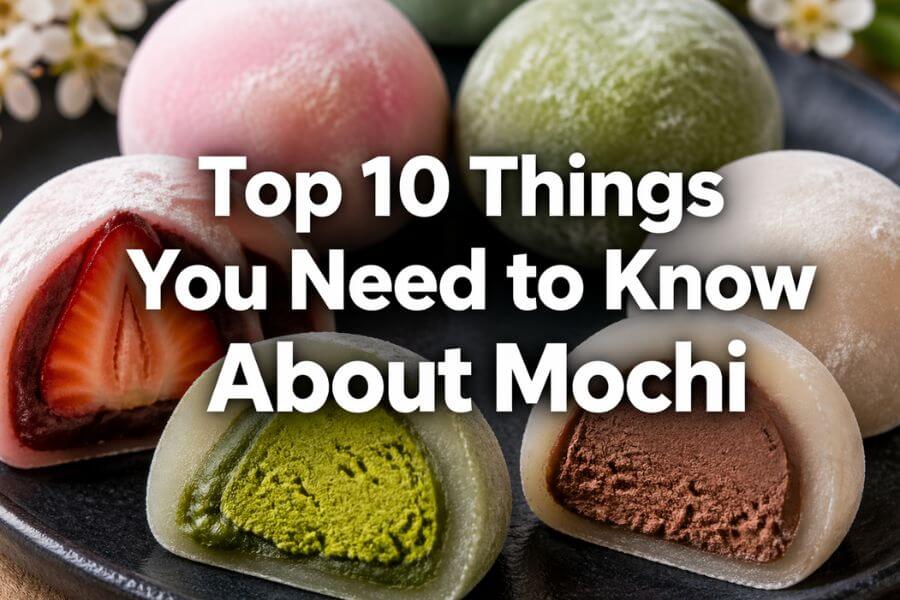
If you have ever seen a soft, chewy dessert that looks simple but feels special, you have probably come across mochi. This traditional Japanese treat has become popular around the world, and for good reason. It is fun to eat, comes in many flavors, and has a unique texture that you will not find in many other foods. Whether you are new to mochi or already a fan, there is a lot to learn about it. In this guide, you will discover the top 10 things you need to know about mochi so you can enjoy it more and understand why it holds such an important place in food culture.
1. Mochi Is Made From Special Rice
Mochi is not made from regular rice. It uses a type of sticky rice called glutinous rice, which becomes soft and stretchy when cooked and pounded. This is what gives mochi its famous chewy texture that many people love.
When you eat mochi, you will notice that it feels smooth and elastic at the same time. This comes from the way the rice starch changes during cooking. Unlike normal rice, which stays separate, glutinous rice sticks together and forms a soft dough. That is why mochi feels more like a dessert than a grain-based food.
2. Traditional Mochi Is Made by Pounding
The traditional way to make mochi is called “mochitsuki.” This process involves steaming the rice and then pounding it with large wooden mallets in a mortar. It is often done by two people, where one pounds and the other turns the rice between strikes.
This method is not just about making food. It is also a cultural activity that brings people together, especially during celebrations. The pounding process helps break down the rice and creates that smooth and stretchy texture. Even though modern machines can make mochi faster, many people still enjoy the traditional method because of its cultural value.
3. Mochi Has Deep Cultural Meaning
Mochi is more than just a snack. It has strong cultural meaning in Japan and is often linked to special events and traditions. One of the most important times when mochi is eaten is during the New Year.
During this time, people prepare and eat mochi to bring good luck, health, and happiness for the year ahead. It is also used in offerings and ceremonies. Because of this, mochi is often seen as a symbol of prosperity and unity.
4. There Are Many Types of Mochi
You might think mochi is just one kind of food, but there are many variations. Each type has its own style, flavor, and use. Some are sweet, while others are savory.
Here are a few common types you may come across:
- Daifuku: Soft mochi filled with sweet red bean paste
- Ichigo daifuku: Mochi filled with red bean paste and a whole strawberry
- Kinako mochi: Mochi coated with roasted soybean flour
- Isobeyaki: Grilled mochi with soy sauce and wrapped in seaweed
Each type gives you a different experience, so trying a variety is a great way to explore mochi.
5. Mochi Comes in Many Flavors
Modern mochi has gone far beyond traditional fillings. Today, you can find mochi in many exciting flavors that appeal to a wide range of tastes.
Some popular flavors include:
- Matcha
- Chocolate
- Mango
- Strawberry
- Vanilla
You can also find mochi ice cream, where a thin layer of mochi wraps around ice cream. This version has become very popular around the world because it combines the chewy texture of mochi with creamy ice cream.
6. Mochi Has a Unique Texture
One of the most important things you need to know about mochi is its texture. It is soft, chewy, and slightly sticky. This texture is what makes it so different from other desserts.
For some people, this texture is the main reason they love mochi. For others, it may take some time to get used to it. When you eat mochi, you will notice that it stretches slightly and feels smooth in your mouth. This is part of the experience, and it is what makes mochi so memorable.
7. Mochi Can Be Sweet or Savory
Mochi is not limited to desserts. While many people know it as a sweet treat, it is also used in savory dishes. This makes it a very versatile food.
Sweet mochi often includes fillings like red bean paste or fruit. On the other hand, savory mochi can be grilled, added to soups, or served with soy sauce. One popular dish is ozoni, a soup that includes mochi and is commonly eaten during the New Year.
This flexibility means you can enjoy mochi in many ways, depending on your mood and taste.
8. Mochi Is Popular Worldwide
Mochi has become popular far beyond Japan. You can now find it in many countries, including the United States, Korea, and across Europe. This global popularity has led to many creative versions of mochi.
For example, mochi ice cream is widely available in supermarkets and dessert shops. Some bakeries also use mochi in cakes and pastries to add a chewy texture. This global spread shows how adaptable and loved mochi has become.
9. Mochi Requires Care When Eating
While mochi is delicious, it is important to eat it carefully. Because of its sticky and chewy texture, it can be a choking hazard, especially for young children and older adults.
To stay safe when eating mochi, you should:
- Take small bites
- Chew slowly and thoroughly
- Avoid swallowing large pieces
Being mindful while eating helps you enjoy mochi safely without any issues.
10. Mochi Is Easy to Enjoy at Home
You do not need to travel far to enjoy mochi. Today, you can find it in many grocery stores, Asian markets, and online shops. You can also try making it at home if you want a fun cooking experience.
Simple mochi recipes often use:
- Glutinous rice flour
- Sugar
- Water
With just a few ingredients, you can create your own mochi and customize it with your favorite fillings and flavors. Making mochi at home is a great way to understand the process and enjoy fresh, homemade treats.
Conclusion
Mochi is a unique and enjoyable food that offers much more than its simple appearance suggests. From its special rice base to its deep cultural meaning, mochi has a rich history and a wide range of flavors and styles. Whether you prefer it sweet or savory, traditional or modern, there is always something new to discover. By understanding these top 10 things, you can appreciate mochi more and enjoy it in a safe and meaningful way. The next time you try mochi, you will not just taste it, you will understand it.
Frequently Asked Questions
What does mochi taste like?
Mochi itself has a mild and slightly sweet taste. Its flavor often depends on the filling or topping. For example, mochi with red bean paste tastes sweet and earthy, while mochi ice cream takes on the flavor of the ice cream inside.
Is mochi gluten-free?
Yes, mochi is generally gluten-free because it is made from glutinous rice, which does not contain gluten. However, you should always check the ingredients if you are buying packaged mochi, as some versions may include additives.
How should you store mochi?
Fresh mochi should be eaten quickly because it can harden over time. You can store it in an airtight container at room temperature for a short time or in the refrigerator for a longer period. Some types can also be frozen and reheated when needed.
Can you microwave mochi?
Yes, you can microwave mochi to make it soft again. Heat it for a short time, usually around 10 to 20 seconds, but be careful because it can become very hot and sticky. Always let it cool slightly before eating.
Why is mochi so chewy?
Mochi is chewy because of the type of rice used and the way it is prepared. The pounding process breaks down the rice and creates a smooth, stretchy dough. This gives mochi the signature texture that makes it different from other desserts.