Japan is one of the most popular travel destinations in the world, and for good reason. From ancient temples and peaceful gardens to futuristic cities and stunning mountain views, there is something for every type of traveler.
However, some famous attractions have become so crowded that they can take away from the experience. Long lines, packed streets, and endless crowds can make it harder to enjoy the beauty that drew visitors there in the first place.
The good news is that Japan is full of amazing alternatives. Many lesser-known destinations offer similar scenery, culture, and atmosphere without the overwhelming crowds. In this guide, you’ll discover the most overcrowded tourist spots in Japan and the hidden gems that deserve a place on your itinerary instead.
Quick Summary Table 📋
| Overcrowded Tourist Spot | Why It’s Crowded | Better Alternative |
|---|---|---|
| Fushimi Inari Shrine, Kyoto | Packed torii gate trails | Motonosumi Shrine, Yamaguchi |
| Arashiyama Bamboo Grove, Kyoto | Constant tourist traffic | Takachiho Bamboo Forest, Miyazaki |
| Shibuya Crossing, Tokyo | Massive daily crowds | Tenjin District, Fukuoka |
| Kinkaku-ji, Kyoto | Limited viewing areas | Ginkaku-ji, Kyoto |
| Mount Fuji Fifth Station | Bus tour congestion | Lake Motosu Area |
| Dotonbori, Osaka | Crowded food streets | Shinsekai, Osaka |
| Nishiki Market, Kyoto | Narrow crowded lanes | Kuromon Market, Osaka |
| Nara Park | Large tourist groups | Miyajima Island |
| Tokyo’s Tsukiji Outer Market | Packed mornings | Kanazawa Omicho Market |
| Kiyomizu-dera, Kyoto | Heavy daytime tourism | Engyo-ji Temple, Hyogo |
How We Ranked These Locations 🔍
We selected these destinations based on several important factors:
- Average visitor volume throughout the year
- Peak season crowd intensity
- Difficulty moving through the attraction comfortably
- Waiting times and congestion levels
- Availability of similar experiences elsewhere
- Scenic and cultural value of alternative locations
- Overall visitor satisfaction
- Ability to enjoy the destination at a relaxed pace
1. Fushimi Inari Shrine, Kyoto ⛩️
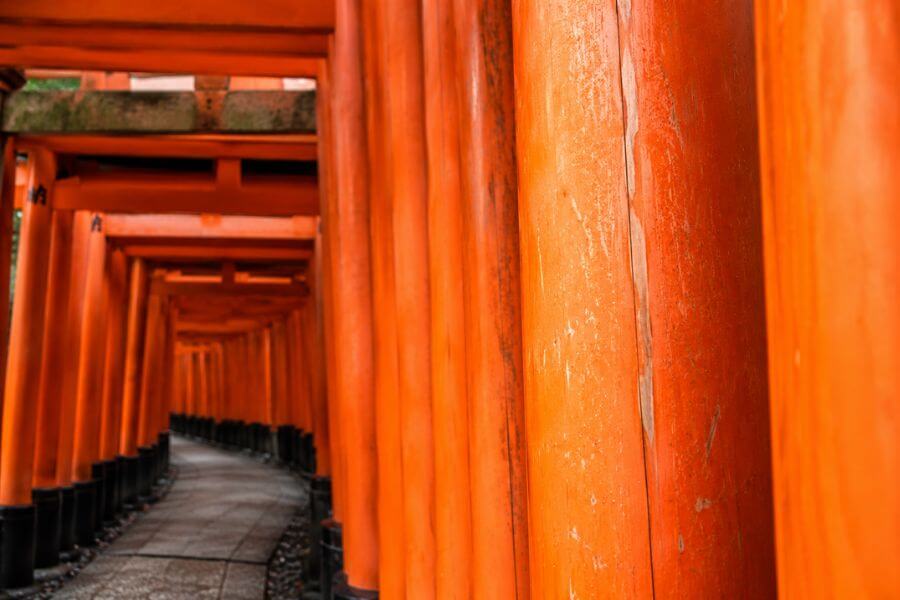
Fushimi Inari Shrine is one of Japan’s most photographed attractions. The endless rows of bright orange torii gates create a magical atmosphere that attracts millions of visitors every year.
The problem is that the lower sections of the trail are often extremely crowded. Taking photos without strangers in the background can be difficult. During peak travel seasons, walking through the famous gates may feel more like navigating a busy city sidewalk.
Better Alternative: Motonosumi Shrine
Located along dramatic coastal cliffs in Yamaguchi Prefecture, Motonosumi Shrine features a stunning line of red torii gates overlooking the Sea of Japan. The scenery is breathtaking, and visitor numbers remain much lower than those in Kyoto.
You still get the iconic torii gate experience, but with ocean views, fresh air, and far more space to appreciate the surroundings.
2. Arashiyama Bamboo Grove, Kyoto 🎋
The Arashiyama Bamboo Grove appears peaceful in photos, but reality can be very different. The famous pathway is relatively short and often packed with tourists from morning until evening.
Visitors frequently stop for photos, creating bottlenecks and making it hard to experience the quiet atmosphere many expect.
Better Alternative: Takachiho Bamboo Forest
Miyazaki Prefecture offers a more tranquil bamboo forest experience. The bamboo paths around Takachiho provide the same towering green scenery but with significantly fewer crowds.
The surrounding area also offers waterfalls, hiking routes, and beautiful natural landscapes that create a more complete adventure.
3. Shibuya Crossing, Tokyo 🚦
Shibuya Crossing is known as the world’s busiest pedestrian crossing. Watching thousands of people move across the intersection is impressive, but the area can feel overwhelming.
Restaurants, shops, and sidewalks nearby are often packed, especially during evenings and weekends.
Better Alternative: Tenjin District, Fukuoka
Tenjin offers a lively city atmosphere without Tokyo’s extreme congestion. You’ll find excellent shopping, restaurants, nightlife, and modern city energy while enjoying a more comfortable pace.
Many travelers describe Fukuoka as one of Japan’s most livable and enjoyable cities.
4. Kinkaku-ji, Kyoto ✨
The Golden Pavilion is undeniably beautiful. Covered in gold leaf and reflected in a pond, it is one of Kyoto’s most iconic landmarks.
Unfortunately, visitors follow a one-way route with limited viewpoints. Large crowds often make it difficult to stop and fully appreciate the scenery.
Better Alternative: Ginkaku-ji
The Silver Pavilion offers a more peaceful experience. While less flashy, it features beautiful gardens, elegant architecture, and a calmer atmosphere.
Many travelers find it easier to connect with Kyoto’s traditional charm here.
5. Mount Fuji Fifth Station 🏔️
For many visitors, the Fifth Station is their first stop when seeing Mount Fuji. Tour buses arrive constantly during peak season, creating crowded observation areas and busy souvenir shops.
The mountain’s beauty can sometimes be overshadowed by the sheer number of people.
Better Alternative: Lake Motosu Area
Lake Motosu provides some of Japan’s most spectacular Fuji views. The lake’s peaceful shoreline allows you to enjoy the mountain in a much more relaxed setting.
Photography enthusiasts especially love the reflections and natural scenery found here.
6. Dotonbori, Osaka 🍜
Dotonbori is famous for giant signs, street food, and vibrant nightlife. While exciting, the narrow streets can become packed from afternoon until late at night.
Finding space to stop, eat, or take photos often requires patience.
Better Alternative: Shinsekai
Shinsekai offers a classic Osaka atmosphere with local restaurants, retro charm, and a more relaxed environment.
You can still enjoy authentic Osaka food culture without constantly navigating through dense crowds.
7. Nishiki Market, Kyoto 🛍️
Often called “Kyoto’s Kitchen,” Nishiki Market attracts huge numbers of visitors looking for local snacks and specialties.
Its narrow corridors can become extremely congested, especially during lunch hours and holiday periods.
Better Alternative: Kuromon Market
Kuromon Market in Osaka offers a wider variety of food stalls and generally provides a more comfortable browsing experience.
You can sample fresh seafood, local specialties, and traditional snacks while moving at a more relaxed pace.
8. Nara Park 🦌
Nara Park is famous for its friendly deer and historic temples. However, large tour groups frequently fill the park, creating crowded pathways and busy feeding areas.
At times, interacting with the deer can feel less personal than visitors expect.
Better Alternative: Miyajima Island
Miyajima combines natural beauty, historic temples, and free-roaming deer in a more spacious setting.
The island’s famous floating torii gate and scenic mountain views create a memorable experience that many travelers consider one of Japan’s highlights.
9. Tsukiji Outer Market, Tokyo 🐟
Although the wholesale fish auction moved years ago, Tsukiji Outer Market remains a major tourist destination.
Morning crowds can be intense, and long lines often form at popular food stalls.
Better Alternative: Omicho Market
Located in Kanazawa, Omicho Market offers excellent seafood, local produce, and authentic regional cuisine.
The atmosphere feels more local and less tourist-focused, making it a favorite among experienced travelers.
10. Kiyomizu-dera, Kyoto 🌸
Kiyomizu-dera is one of Kyoto’s most famous temples, known for its wooden stage overlooking the city.
The surrounding streets become heavily crowded throughout the day, especially during the cherry blossom and autumn foliage seasons.
Better Alternative: Engyo-ji Temple
Situated on Mount Shosha in Hyogo Prefecture, Engyo-ji offers a peaceful mountain temple experience with stunning architecture and forest surroundings.
The temple complex feels much more serene and allows visitors to enjoy Japan’s spiritual heritage without rushing through crowds.
Conclusion 🌅
Japan’s most famous attractions are popular for a reason. They are beautiful, historic, and often unforgettable. However, extreme crowds can sometimes reduce the quality of your experience.
By choosing lesser-known alternatives, you can enjoy similar scenery, rich cultural experiences, and authentic local charm while avoiding long lines and packed walkways. In many cases, these hidden gems provide a deeper connection to Japan and create memories that feel more personal and unique.
The next time you plan a trip to Japan, consider looking beyond the most famous names. You may discover that the best experiences are often found where the crowds are not.
Frequently Asked Questions ❓
When is the best time to visit Japan to avoid crowds?
The best periods are generally late January through February and late autumn after the peak fall foliage season. Weekdays are usually less crowded than weekends throughout the year.
Are the alternative destinations harder to reach?
Some alternatives require slightly more travel time, but most are accessible by train, bus, or domestic flights. The extra effort often results in a much more enjoyable experience.
Should I completely skip the famous tourist attractions?
Not necessarily. Many iconic attractions are worth seeing. Visiting early in the morning or late in the afternoon can help you avoid the largest crowds.
Which Japanese city has the fewest tourist crowds?
Cities such as Kanazawa, Fukuoka, Matsuyama, and Morioka generally experience fewer international tourists while still offering rich cultural experiences.
How can I find hidden gems while traveling in Japan?
Explore local tourism websites, ask residents for recommendations, visit smaller towns, and look for destinations outside the most common travel routes between Tokyo, Kyoto, and Osaka.