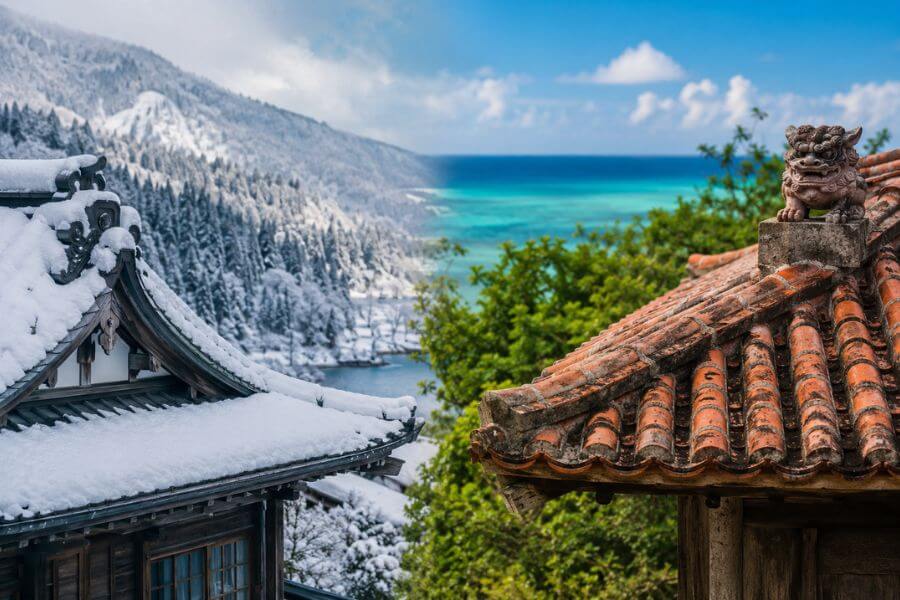
Japan may look like one small country on a map, but once you travel from the snowy north to the tropical south, you quickly notice how different each region feels. From food and weather to language and traditions, Northern and Southern Japan can almost feel like two separate worlds living under the same national identity.
If you are planning a trip, moving to Japan, or simply curious about Japanese culture, understanding these regional differences helps you see the country in a deeper and more interesting way. Northern Japan is often known for heavy snow, calm countryside towns, and hearty comfort food. Southern Japan brings warm beaches, laid-back lifestyles, and unique cultural influences shaped by nearby Asian countries and island traditions.
In this guide, you will discover the most fascinating differences between Northern and Southern Japan and learn how geography, climate, and history have shaped daily life across the country.
Quick Summary Table 📋
| Difference | Northern Japan | Southern Japan |
|---|---|---|
| Climate | Cold winters and heavy snow | Warm weather and mild winters |
| Food | Rich soups and seafood | Tropical flavors and lighter dishes |
| Dialects | Strong regional accents | Softer and unique island dialects |
| Nature | Mountains, snowfields, lakes | Beaches, volcanoes, palm trees |
| Lifestyle | Quiet and slower paced | Relaxed and energetic |
| Festivals | Snow and winter festivals | Beach and summer celebrations |
| Housing | Built for insulation and snow | Designed for heat and typhoons |
| Transportation | Long snowy train routes | Island ferries and coastal travel |
| Tourism Style | Skiing and hot springs | Diving and tropical vacations |
| Cultural Influences | Samurai and farming traditions | Ryukyuan and maritime influences |
How We Ranked These Differences 🧭
We selected these cultural and lifestyle differences based on several important factors:
- How noticeable the difference feels to travelers
- Historical and cultural importance
- Impact on everyday life
- Regional uniqueness
- Popular interest among foreign visitors
- Variety across food, climate, language, and traditions
- How strongly geography shapes local culture
- The ability to experience these differences firsthand while traveling
1. The Climate Feels Like Two Different Countries ❄️
One of the first things you notice between Northern and Southern Japan is the dramatic climate difference.
Northern Japan, especially regions like Hokkaido and Tohoku, is famous for freezing winters and massive snowfall. Some towns receive several meters of snow every year. Winters are long, icy, and dark, while summers stay cool and comfortable.
Meanwhile, Southern Japan, including places like Okinawa and Kyushu, enjoys a much warmer climate. Palm trees, beaches, and humid summers create a completely different atmosphere. In Okinawa, snow is almost unheard of.
This climate difference changes daily life in major ways. Northern residents prepare for months of snow with heated sidewalks, snow shovels, and thick, insulated homes. In the south, people focus more on dealing with humidity, typhoons, and intense summer heat.
If you visit both regions in the same season, it can honestly feel like you traveled between separate countries.
2. The Food Changes Dramatically 🍜
Japanese food is regional, and the contrast between north and south is huge.
Northern Japan specializes in warm, filling comfort food designed for cold weather. You will find rich ramen broths, hot pot dishes, grilled seafood, potatoes, dairy products, and fresh crab. In Hokkaido, butter and cream are commonly used because dairy farming is more common there than in the rest of Japan.
Southern Japan offers lighter and more tropical flavors. Okinawan cuisine includes bitter melon, pork dishes, sweet potatoes, and foods influenced by Chinese and Southeast Asian cooking. Southern regions also use more sugar in some traditional dishes compared to northern areas.
Seafood styles differ too. Northern seafood tends to focus on cold-water fish like salmon, sea urchin, and crab. Southern Japan is known for tuna, tropical fish, and island-style cooking.
Even ramen changes by region. Northern bowls are usually richer and saltier, while southern ramen can be lighter or creamier depending on the local style.
3. People Speak With Very Different Dialects 🗣️
Many foreigners are surprised by how much Japanese accents change across the country.
Northern dialects are often described as rougher, stronger, or harder to understand for standard Tokyo speakers. Some older dialects in rural northern towns sound completely different from textbook Japanese.
Southern dialects, especially in Osaka and Okinawa, are famous for sounding more expressive and emotional. The Kansai dialect from western Japan is often associated with humor and friendliness because many Japanese comedians use it.
Okinawan speech becomes even more unique because the islands once belonged to the independent Ryukyu Kingdom. Some traditional Okinawan languages are actually separate from standard Japanese.
You can sometimes identify where a person grew up just by hearing a few sentences.
4. Nature and Landscapes Look Completely Different 🏔️
Northern Japan is known for dramatic mountains, frozen lakes, forests, and snowy countryside views. Winter landscapes often look straight out of a postcard with white fields and steaming hot springs surrounded by snow.
Southern Japan offers a more tropical beauty. You see coral beaches, active volcanoes, green jungles, and bright blue oceans. In Okinawa, the scenery feels closer to Hawaii or Taiwan than to snowy northern Japan.
Northern Japan attracts travelers who love skiing, hiking, and winter photography. Southern Japan is popular for snorkeling, diving, surfing, and beach vacations.
Even the trees and wildlife change noticeably between the regions because of the climate differences.
5. Daily Life Moves at a Different Pace 🚶
Northern Japan often feels quieter and calmer. Smaller populations and rural lifestyles create a peaceful atmosphere. Many towns shut down earlier at night, and life can feel slower and more traditional.
Southern cities and islands usually feel more energetic and social. People are often seen as more open and relaxed compared to the reserved stereotypes associated with northern areas.
In Okinawa, especially, there is a famous local mindset called “nankurunaisa,” which roughly means believing things will work out over time. This relaxed way of thinking shapes the atmosphere of daily life.
Of course, personalities vary everywhere, but many travelers notice the difference in social energy almost immediately.
6. Festivals Reflect the Local Environment 🎉
Regional festivals show how people adapted to their surroundings.
Northern Japan is famous for winter festivals featuring snow sculptures, lanterns, and ice displays. The heavy snowfall becomes part of the celebration itself. Some communities even turn entire streets into glowing winter wonderlands.
Southern festivals are often connected to the sea, warm weather, or island traditions. Summer dancing festivals, dragon boat races, and beach celebrations are much more common.
The colors and clothing can differ too. Northern festivals may feature heavy winter outfits and glowing lights, while southern events often use bright colors and lightweight traditional clothing designed for heat.
These festivals reveal how climate influences culture in very visible ways.
7. Homes Are Built for Opposite Weather Conditions 🏡
Traditional and modern homes differ greatly depending on location.
In Northern Japan, houses are designed to survive freezing winters. You often see strong insulation, double windows, heated floors, and steep roofs that help snow slide off easily.
Southern homes focus more on ventilation and cooling. Large windows, lighter materials, and airflow matter more than insulation. In typhoon-prone areas, buildings are also designed to handle strong storms and heavy rain.
Even parking lots differ. In snowy northern towns, covered parking helps protect vehicles from deep snow. In southern areas, shade structures help keep cars cool under the intense sun.
The architecture itself tells you what kind of weather locals deal with every day.
8. Transportation Feels Different Across Regions 🚄
Northern travel often involves long train rides through mountains and snow-covered countryside. Winter conditions can heavily affect transportation, and snow clearing becomes part of daily operations.
Southern Japan relies more on ferries and coastal transportation because many islands are spread across the region. Okinawa especially depends heavily on air travel and boats since it is separated from mainland Japan.
Driving habits can also differ because northern drivers must regularly deal with icy roads and snowstorms.
Even train station designs sometimes reflect regional weather conditions. Northern stations may have enclosed walkways and heating systems, while southern stations are built to stay cool and airy.
9. Tourism Experiences Attract Different Travelers 🎿
Northern Japan attracts visitors looking for winter adventures, ski resorts, hot springs, and quiet countryside escapes. International tourists often visit Hokkaido specifically for powder snow and winter sports.
Southern Japan attracts beach lovers, scuba divers, and travelers looking for tropical scenery and island culture. Okinawa is especially popular for resort vacations and marine activities.
The mood of travel changes completely depending on where you go. Northern trips often feel cozy and peaceful, while southern trips feel sunny, active, and relaxed.
Many travelers are shocked by how different the experiences are within the same country.
10. Historical Influences Created Distinct Cultures 🏯
History shaped northern and southern Japan in very different ways.
Northern Japan historically developed around farming, fishing, and samurai traditions. Some northern areas were once considered remote frontiers compared to central Japan.
Southern Japan had stronger connections to overseas trade because of its location. Okinawa developed its own kingdom with cultural influences from China and Southeast Asia long before becoming part of modern Japan.
These outside influences still appear in music, food, clothing, and architecture today.
You can hear it in local songs, taste it in regional dishes, and see it in traditional crafts. Southern culture often feels more colorful and internationally influenced, while northern culture can feel more rugged and deeply connected to nature.
Conclusion 🌅
Northern and Southern Japan are connected by one national identity, but the differences between them are fascinating. Climate, geography, and history shaped each region in unique ways, creating different lifestyles, foods, traditions, and personalities across the country.
When you explore Japan beyond the major tourist cities, you begin to understand how diverse the country truly is. From snowy mountain towns in the north to tropical island beaches in the south, every region offers a completely different experience.
That diversity is one of the reasons Japan remains such an endlessly interesting place to visit. Whether you prefer cozy winter scenery or warm island culture, both sides of Japan have something unforgettable waiting for you.
Frequently Asked Questions ❓
Is Northern Japan cheaper to visit than Southern Japan?
In many cases, yes. Rural northern areas can be more affordable for hotels, food, and transportation compared to popular southern tourist destinations like Okinawa resorts. However, ski season prices in the north can become expensive during winter.
Which region has better food for first-time visitors?
That depends on your taste. If you enjoy rich comfort food and seafood, Northern Japan may suit you better. If you prefer lighter dishes, tropical flavors, and island cuisine, Southern Japan could be more enjoyable.
Do people in Northern and Southern Japan look different?
There are sometimes subtle regional differences in features and skin tone because of climate and historical ancestry, especially in Okinawa. However, modern Japan is very mixed, so differences are usually not dramatic.
Which region is better for nature lovers?
Both are excellent but offer different experiences. Northern Japan is ideal for snow landscapes, mountains, and hiking. Southern Japan is better for beaches, diving, volcanoes, and tropical scenery.
Can you experience both regions in one trip?
Yes, but Japan is longer than many people expect. Traveling from Northern Japan to the Southern islands takes time. If you want to experience both properly, it is best to plan at least two weeks for your trip.