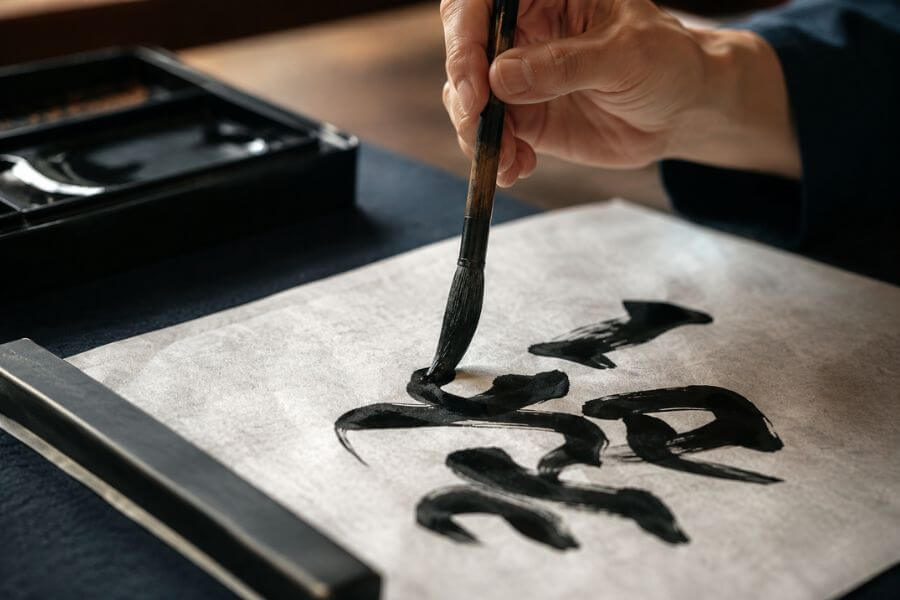
If you have ever watched someone write beautiful Japanese characters with a brush and ink, you probably know how calming and impressive Japanese calligraphy can feel. Known as shodō, which means “the way of writing,” Japanese calligraphy is more than handwriting. It is a traditional art form connected to patience, focus, balance, and culture.
The good news is that you do not need any experience to start learning. Japan has many beginner-friendly calligraphy schools, workshops, temples, and cultural centers where you can try shodō in a relaxed and welcoming environment. Some classes are designed specifically for travelers, while others give you a deeper look into Japanese traditions.
In this guide, you will discover the best places in Japan to learn calligraphy as a complete beginner. Whether you want a short cultural activity during your vacation or a serious introduction to the art, these places offer memorable experiences you can enjoy at your own pace.
Quick Summary Table 🗾
| Place | Location | Best For | Beginner Friendly | Experience Type |
|---|---|---|---|---|
| Tokyo Shodo Center | Tokyo | Structured lessons | Excellent | Professional studio |
| Kyoto Handicraft Center | Kyoto | Tourists and first timers | Excellent | Cultural workshop |
| Kinkakuji Area Cultural Studios | Kyoto | Traditional atmosphere | Very good | Temple inspired classes |
| Osaka Cultural Experience Workshops | Osaka | Fun casual sessions | Excellent | Interactive class |
| Kamakura Calligraphy Cafes | Kamakura | Relaxed learning | Very good | Creative cafe style |
| Kanazawa Traditional Arts Schools | Kanazawa | Deep cultural immersion | Very good | Traditional art school |
| Nara Temple Workshops | Nara | Spiritual experience | Excellent | Temple classes |
| Hakone Ryokan Cultural Programs | Hakone | Luxury cultural activities | Excellent | Hotel workshop |
| Fukuoka Community Art Centers | Fukuoka | Affordable learning | Very good | Community classes |
| Hokkaido Art Retreats | Hokkaido | Quiet creative escape | Good | Nature-focused retreat |
How We Ranked These Places 📚
We used several important factors to choose the best beginner-friendly calligraphy spots in Japan:
- Quality of beginner instruction
- Availability of English support
- Friendly and welcoming atmosphere
- Cultural authenticity
- Value for money
- Accessibility for travelers
- Hands-on learning opportunities
- Reputation among visitors and students
- Comfort level for complete beginners
- Overall experience beyond just writing practice
1. Tokyo Shodo Center, Tokyo 🖌️
Tokyo is one of the easiest places in Japan to start learning calligraphy because the city offers modern facilities mixed with traditional teaching methods. The Tokyo Shodo Center is especially popular with beginners who want clear guidance and professional instruction.
You usually begin by learning how to hold the brush correctly and how to control pressure while writing simple Japanese characters. Teachers explain every step carefully, so you never feel rushed or embarrassed if your writing looks messy at first.
One reason beginners enjoy Tokyo classes is the balance between tradition and convenience. Many instructors speak some English, and materials are often prepared for international visitors. You can focus on enjoying the experience instead of worrying about language barriers.
The studios are typically clean, calm, and organized. Once the ink touches the paper, the atmosphere becomes surprisingly peaceful. Even busy travelers often say this becomes one of the most relaxing activities during their Japan trip.
Tokyo is also perfect if you want flexibility. You can find one-hour workshops, half-day experiences, or even weekly courses if you plan to stay longer.
2. Kyoto Handicraft Center, Kyoto 🎎
Kyoto feels like the heart of traditional Japan, so it is naturally one of the best places to experience calligraphy. The Kyoto Handicraft Center offers beginner-friendly classes that are easy to join, even if you have never touched a brush before.
The instructors focus heavily on enjoyment rather than perfection. You will usually practice basic kanji characters, your own name in Japanese-style writing, and simple traditional phrases. Many workshops also let you keep your finished artwork as a souvenir.
What makes Kyoto especially memorable is the atmosphere around you. Walking through historic streets before or after your class makes the experience feel much more authentic. The cultural setting adds emotional value to the lesson itself.
Another advantage is the pace. Kyoto classes tend to feel slower and more meditative compared to large city workshops. If you want a calm introduction to shodō, this city is hard to beat.
3. Kinkakuji Area Cultural Studios, Kyoto 🌸
Near the famous Kinkakuji area, you can find smaller cultural studios that offer intimate calligraphy sessions for beginners. These studios often work with local artists who genuinely enjoy teaching visitors.
Classes are usually small, which means you receive more personal attention. Teachers often explain the meaning behind each stroke and why balance matters in Japanese calligraphy. This makes the activity feel artistic rather than simply educational.
The traditional interiors also improve the experience. Tatami floors, sliding paper doors, and quiet surroundings help you fully focus on the brush movements. Even beginners who normally feel impatient often become deeply absorbed in the process.
Many people love these workshops because they feel less commercial than large tourist centers. You leave with not only better brush skills but also a stronger appreciation for Japanese aesthetics and discipline.
4. Osaka Cultural Experience Workshops, Osaka 🍜
If Kyoto feels quiet and traditional, Osaka feels energetic and welcoming. Calligraphy workshops in Osaka are perfect for travelers who want a fun and approachable first experience.
Instructors here often create a more casual environment. You may laugh, ask questions freely, and experiment without pressure. This style works especially well for families, solo travelers, and younger visitors who want a relaxed cultural activity.
Many workshops combine calligraphy with other Japanese arts, such as tea tasting or origami. This creates a more interactive experience that keeps beginners engaged from start to finish.
Osaka is also known for its friendly locals, and that warmth often carries into the classroom. You are encouraged to make mistakes and enjoy the learning process instead of worrying about creating perfect characters.
5. Kamakura Calligraphy Cafes, Kamakura ☕
Kamakura offers one of the most unique ways to learn Japanese calligraphy. Some local cafes and creative studios combine traditional brush writing with a relaxed coffeehouse atmosphere.
This setup feels much less intimidating for beginners. Instead of sitting in a formal classroom, you practice calligraphy in a cozy environment with soft music and peaceful surroundings.
Many classes focus on mindfulness and self-expression. Rather than copying difficult characters repeatedly, you may learn inspirational Japanese words connected to peace, nature, or happiness.
Kamakura itself is an ideal setting because the coastal town already feels slower and more reflective than major cities. After your lesson, you can walk near temples, bamboo groves, and the ocean while thinking about what you learned.
For travelers who dislike strict classroom environments, Kamakura may be the perfect starting point.
6. Kanazawa Traditional Arts Schools, Kanazawa 🏯
Kanazawa is famous for preserving traditional Japanese arts, making it an excellent destination for anyone interested in authentic cultural learning.
Calligraphy schools here often take a more serious artistic approach while still remaining beginner-friendly. Teachers may explain the history of Japanese writing styles and demonstrate how different brush techniques create different emotional effects.
What stands out most is the strong connection between calligraphy and other traditional crafts. Kanazawa is known for gold leaf art, ceramics, and tea culture, so the entire city feels creatively inspiring.
Beginners who want more than a simple tourist activity usually appreciate Kanazawa the most. You gain a deeper understanding of Japanese aesthetics and artistic philosophy while practicing brush control step by step.
The quieter pace of the city also makes concentration easier. Without the distractions of massive crowds, you can fully enjoy the meditative side of shodō.
7. Nara Temple Workshops, Nara 🦌
Nara offers one of the most spiritual introductions to Japanese calligraphy. Some temples and cultural spaces organize beginner workshops that combine brush writing with Zen-inspired mindfulness.
These classes often begin with a moment of silence or breathing exercises to help students focus. This creates a peaceful atmosphere that feels very different from ordinary art lessons.
You usually learn simple but meaningful characters connected to harmony, peace, or nature. Teachers encourage slow and intentional movements rather than speed.
The temple environment adds emotional depth to the experience. Hearing soft temple sounds while practicing brush strokes can feel incredibly calming, especially for travelers who want a break from crowded tourist areas.
Nara is ideal if you see calligraphy as both an art form and a personal mindfulness activity.
8. Hakone Ryokan Cultural Programs, Hakone ♨️
Hakone is best known for hot springs and mountain scenery, but many traditional ryokan hotels also offer cultural workshops, including beginner calligraphy sessions.
This is one of the most comfortable ways to experience shodō because everything happens inside a relaxing hotel environment. After soaking in an onsen, you can join a quiet evening calligraphy lesson while wearing a traditional yukata robe.
The classes are usually designed for complete beginners and focus on enjoyment rather than technical mastery. Instructors guide you carefully while keeping the atmosphere peaceful and stress-free.
Many travelers love this option because it combines relaxation with cultural learning. Instead of rushing between tourist attractions, you slow down and fully enjoy the artistic process.
Hakone is especially good for couples and travelers seeking a more luxurious cultural experience.
9. Fukuoka Community Art Centers, Fukuoka 🎨
Fukuoka is often overlooked by international visitors, but it has excellent community-based art programs that welcome beginners warmly.
Many local art centers offer affordable calligraphy classes where you can practice alongside Japanese residents. This creates a more authentic and less tourist-focused experience.
Teachers tend to be patient and supportive, especially when they see genuine interest from foreign visitors. Even if language differences exist, the visual nature of calligraphy makes communication surprisingly easy.
Fukuoka also has a relaxed atmosphere compared to Tokyo or Osaka. The slower pace helps beginners feel less pressured during lessons.
If you want a local experience that feels natural and community-driven, Fukuoka is a fantastic choice.
10. Hokkaido Art Retreats, Hokkaido ❄️
Hokkaido offers a completely different kind of calligraphy experience. Instead of busy cities or tourist workshops, you often learn in peaceful retreats surrounded by forests, mountains, or snowy landscapes.
These retreats focus heavily on creativity, mindfulness, and concentration. Beginners are encouraged to connect emotionally with each brush stroke rather than aiming for technical perfection immediately.
Nature plays a huge role in the experience. Quiet surroundings make it easier to focus, and many students say the peaceful environment helps them enjoy calligraphy much more deeply.
Some retreats combine calligraphy with meditation, traditional meals, and outdoor activities. This creates a full cultural escape rather than just a short lesson.
Hokkaido is ideal for travelers who want to disconnect from busy city life while learning something meaningful.
Conclusion 🌟
Learning Japanese calligraphy as a beginner can become one of the most memorable parts of your trip to Japan. It is not only about writing beautiful characters. It is also about slowing down, focusing your mind, and experiencing a traditional part of Japanese culture in a hands-on way.
Whether you prefer the energy of Tokyo, the historic beauty of Kyoto, the spiritual atmosphere of Nara, or the peaceful retreats of Hokkaido, there is a perfect place for every type of beginner.
The best part is that you do not need artistic talent to enjoy shodō. All you need is curiosity, patience, and a willingness to try something new. Once you dip the brush into ink for the first time, you may discover a completely different side of Japan that many travelers never experience.
Frequently Asked Questions ❓
Do I need to know Japanese before taking a calligraphy class?
No, most beginner-friendly workshops are designed for international visitors. Many instructors use simple English, demonstrations, and visual teaching methods that are easy to follow.
How long does a beginner calligraphy lesson usually last?
Most beginner sessions last between one and two hours. Some schools also offer half-day experiences or multi-day courses for travelers who want deeper practice.
Can children join Japanese calligraphy classes?
Yes, many workshops welcome children and families. Simpler characters and fun teaching styles make calligraphy enjoyable for younger beginners too.
What should I wear to a calligraphy workshop?
Comfortable clothing is best because ink can occasionally splash. Some traditional workshops may also provide aprons or protective coverings.
Can I take my calligraphy artwork home?
Yes, almost every beginner workshop allows you to keep your finished work. Many people frame their calligraphy pieces as special souvenirs from Japan.